
Google
Nutrient-Rich Topsoil Guide: Build a Healthy North Texas Lawn and Garden
Nutrient-Rich Topsoil Guide: Build a Healthy North Texas Lawn and Garden

Topsoil

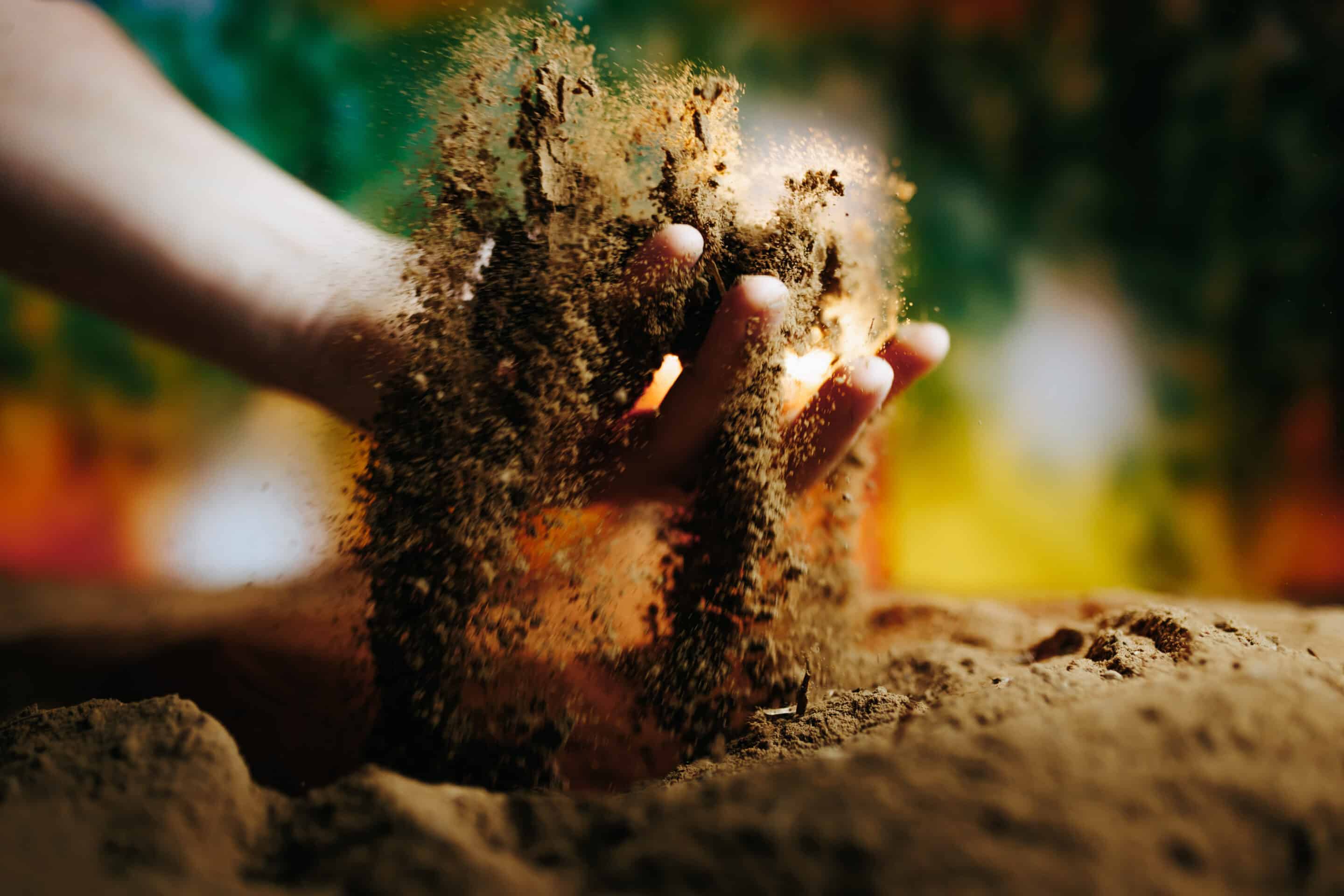
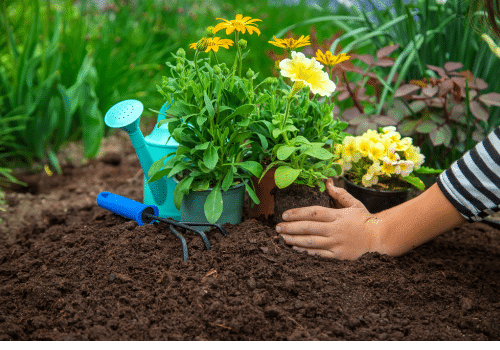
At JBS Express, we know that the secret to a thriving landscape starts beneath the surface. Using high-quality, nutrient-rich topsoil gives your grass, shrubs, and flowers the strong foundation they need to develop robust root systems, maintain optimal moisture balance, and flourish year after year.

Whether you are installing a new flower bed, leveling a patchy lawn, or filling a raised garden structure, selecting the right material is the first and most critical step. This expert guide breaks down everything you need to know about premium soil choices for North Texas landscapes.

What Is Nutrient-Rich Topsoil?

Nutrient-rich topsoil is the uppermost layer of earth, heavily enriched with organic matter, essential plant nutrients like nitrogen, phosphorus, and potassium, and a balanced structural composition. Unlike standard fill dirt, which is dense and low in biological activity, this specialized topsoil layer actively fosters plant health by encouraging microbial growth and root respiration.

What Is the Difference Between Regular, Screened, and Mixed Topsoil?
top soil4

Choosing the right soil classification ensures your landscaping project succeeds without unexpected drainage or compaction issues.

Soil Type

Material Composition

Primary Landscaping Uses

Regular Topsoil

Raw excavated upper dirt layer; contains rocks, roots, and clods.

Large scale grading, filling deep holes, sub base preparation.

Screened Topsoil

Mechanically sifted dirt to remove debris; uniform particle size.

Lawn top dressing, sod installation base, minor grading.

Mixed Topsoil

Blended mix of screened dirt, organic compost, and sand.

Raised garden beds, flower beds, vegetable gardens.

Screened vs. Unscreened Topsoil

Screened topsoil passes through mechanical mesh filters to eliminate large stones, woody debris, and clay clumps. This process produces a smooth, highly workable texture that spreads evenly across a lawn or garden. Unscreened alternatives remain chunky and are best reserved for bulk structural grading rather than planting.

The Value of Mixed Topsoil

For dedicated planting zones, mixed topsoil varieties combine the structural strength of traditional soil with the intense biological benefits of premium organic compost. This combination prevents the heavy clay common to areas like McKinney and Frisco from compacting and suffocating your plants.

How Does Enriched Soil Benefit Your Landscape?

Investing in quality bulk soil yields long term structural and biological advantages for your entire property.

Improved Soil Quality and Structure

North Texas properties frequently battle dense, tight clay soils. Introducing a layer of premium topsoil improves overall texture, preventing the ground from baking into a hard brick during the summer heat. This improved structure allows air and water to circulate freely down to the root zones.

Superior Water Management

Healthy landscapes require a delicate moisture balance. A rich loam mixture absorbs water efficiently to prevent rapid runoff, yet drains well enough to prevent plant roots from sitting in stagnant pools. This moisture management makes your landscape significantly more resilient during hot, dry spells.

Enhanced Nutrient Access

Plants cannot thrive on water alone; they require readily available macro- and micronutrients. Enriched bulk soil acts as a natural reservoir, holding onto essential nutrients and releasing them steadily to plants rather than letting them wash away during heavy rainstorms.

How to Install Topsoil Mix in Your Yard

Proper preparation and execution ensure your new soil blends perfectly with the existing earth.

  1. Clear and Prep the Native Ground: Remove all weeds, dead grass, and larger rocks from the target installation zone. Lightly till or rake the native underlying ground to loosen compacted clay and ensure the new layer binds properly.
  2. Apply the Topsoil Evenly: Spread your nutrient-rich topsoil over the area. For general lawn restoration, a depth of 1 to 2 inches works perfectly. For new flower beds or deep vegetable gardens, aim for a 4- to 6-inch layer.
  3. Blend the Layers Together: Gently turn the bottom half of your new topsoil into the top inch of your native ground. This blending prevents a distinct boundary line that can stop roots from pushing deeper into the earth.
  4. Level and Hydrate the Site: Rake the surface completely smooth to eliminate low spots. Apply a gentle mist of water across the entire area to settle the fresh soil matrix without causing erosion or washing away fine particles.

Why Choose JBS Express for Your Soil and Landscaping Supplies?

JBS Express is the trusted local source for premium soils, aggregates, and landscaping materials across North Texas. We proudly serve homeowners, commercial landscapers, and builders throughout McKinney, Frisco, Plano, Allen, Richardson, Denton, Irving, and the greater Dallas area.

  • Verified Quality: Our topsoil options are carefully processed and screened to guarantee consistency and eliminate unwanted yard debris.
  • Comprehensive Inventory: From bulk bedding soils and organic compost to premium masonry sand and decorative gravel, we keep everything you need in stock.
  • Reliable Bulk Deliveries: Our specialized fleet of flatbeds and dump trucks delivers directly to your job site or home driveway right when you need it.

Frequently Asked Questions

Which type of soil is most nutrient rich?

Loam soils that feature a balanced blend of sand, silt, clay, and a high concentration of decayed organic matter or compost are the most nutrient rich. These blends hold moisture while providing an optimal environment for beneficial soil biology.

How do you make soil nutrient rich?

You can build high quality soil by regularly amending your ground with organic compost, applying natural mulches, ensuring proper aeration, and avoiding harsh chemical treatments that kill off beneficial earthworms and microorganisms.

Is standard topsoil always nutrient rich?

No, the term “topsoil” only refers to the uppermost layer of soil. It is not a guarantee of quality. Unscreened or untreated topsoil can still be low in nutrients and full of rocks, which is why choosing screened, enriched varieties is so important.

Should I use screened or unscreened topsoil for my lawn?

Always choose screened topsoil for lawn projects, top dressing, or seeding. The smooth texture allows the material to settle evenly around grass blades without leaving chunky clods or stones behind.

Can I use topsoil on its own in small garden pots?

Pure topsoil is too heavy and dense for small enclosed pots or patio containers. It will quickly compact and suffocate roots. For container gardening, use a specialized potting mix designed for drainage, or mix your topsoil with plenty of coarse sand and compost.

Order Bulk Soil Delivery

Ready to transform your lawn and garden beds?

Give your plants the premium foundation they deserve with high quality bulk soil from JBS Express. Whether you need a quick dump truck drop-off for a backyard garden bed or multiple flatbed loads for a major landscape installation, we make the process seamless.

Contact JBS Express Today or call our McKinney yard at (469) 972-8818 to schedule your bulk topsoil delivery.
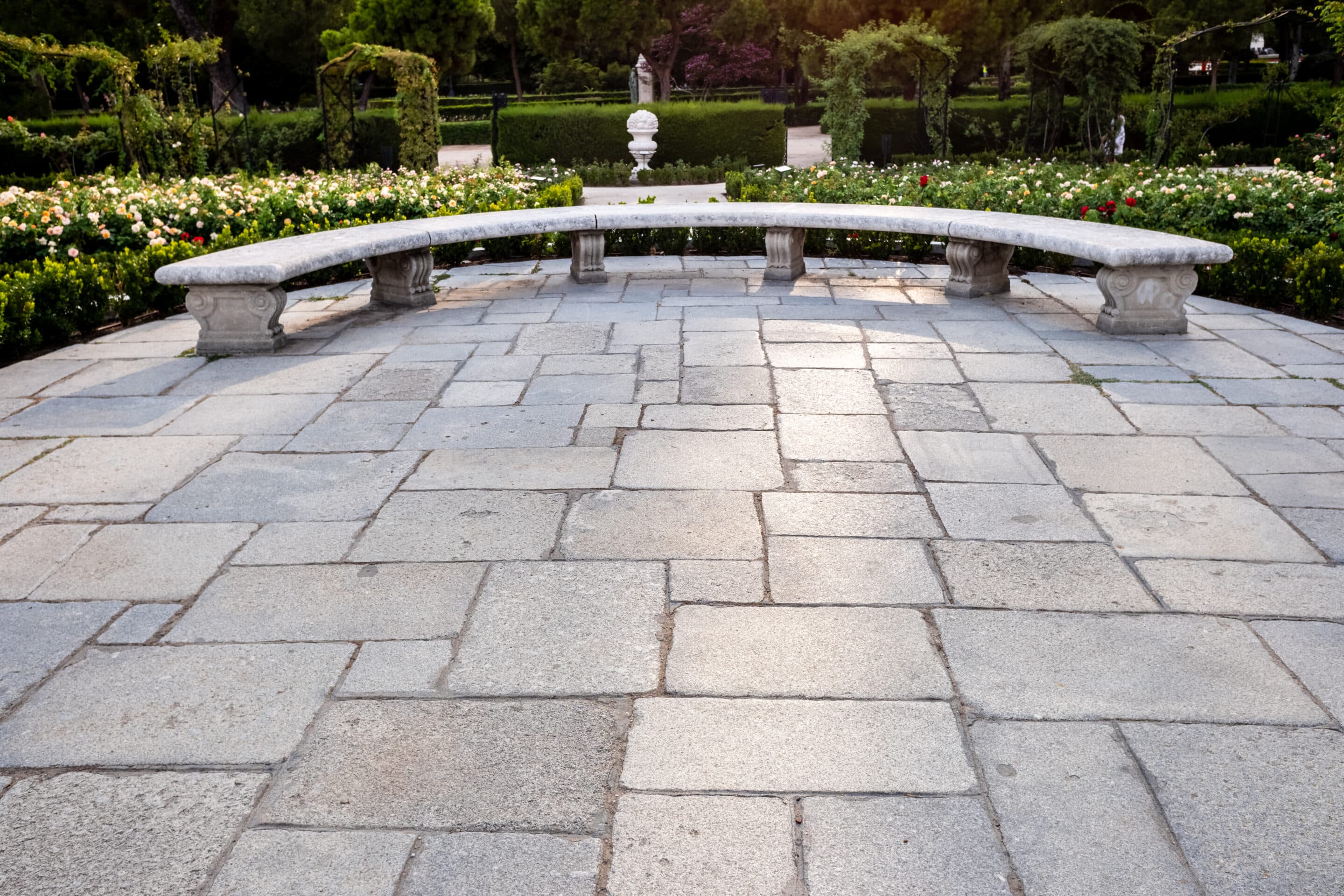
How to Lay Stone Pavers for Walkway Projects: A Complete Step-by-Step Guide

How to Lay Stone Pavers for Walkway Projects: A Complete Step-by-Step Guide

Stone Pavers

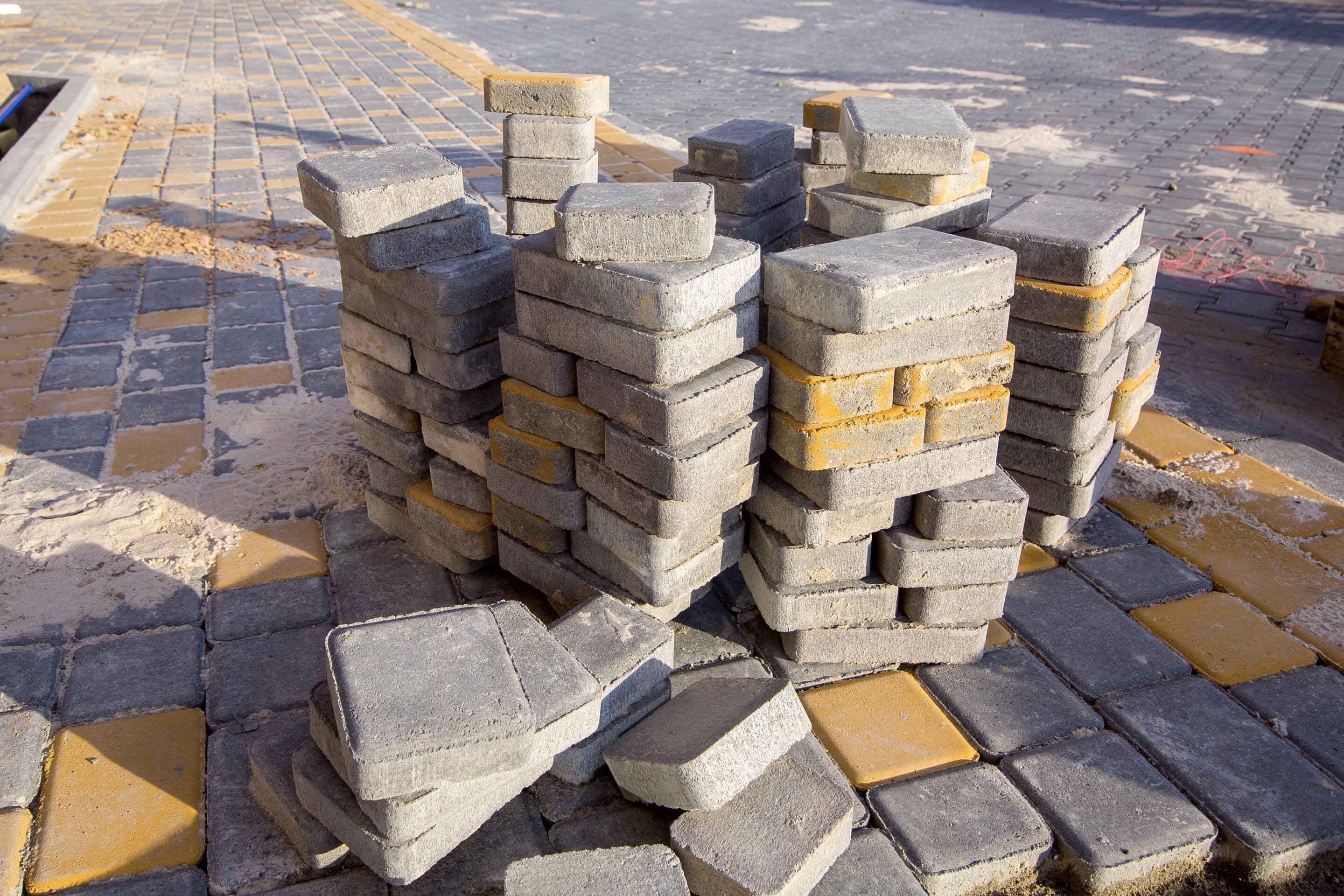
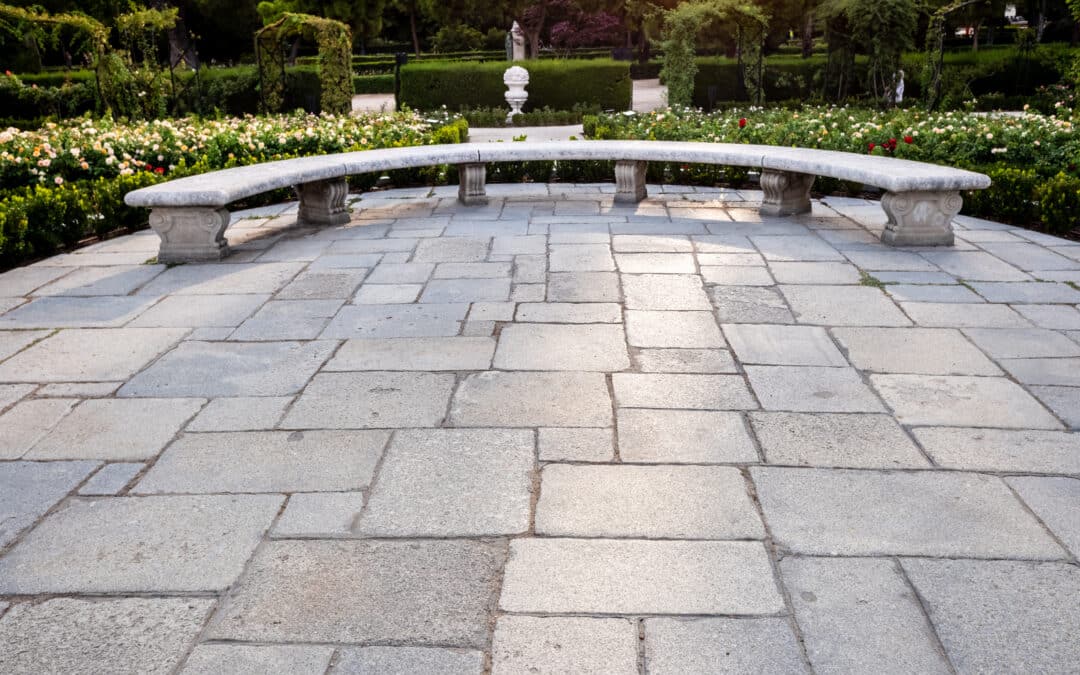
A custom walkway transforms your outdoor living space, bridging the gap between functional landscaping and pure visual appeal. While building a path may seem like a simple weekend project, the longevity of your hardscaping depends entirely on proper engineering, subbase compaction, and moisture management.

Whether you select natural flagstone, slate, granite, or manufactured concrete units, learning the industry-standard installation practices ensures your path remains level and safe for decades. This masterclass outlines exactly how to lay stone pavers for walkway installations that survive shifting soils and heavy foot traffic.

1. Plan, Layout, and Calculate Materials

Before breaking ground, you must outline the exact dimensions of your path. Use a garden hose or marking paint to map out your desired trajectory. Straight paths offer modern, geometric, clean lines, while winding paths complement organic, traditional landscapes.

To avoid running out of materials, use a precise formula to map your surface area. Multiply the total length by the width to get your square footage, then add a 10% waste buffer for broken units or custom cuts.

Essential Material and Tool Checklist

  • Stone Pavers (Natural stone, concrete pavers, or interlocking pavers)
  • Crushed stone base material (3/4-inch angular gravel)
  • Paver sand (washed concrete sand)
  • Polymeric sand for stable joint filling
  • Snap-edge restraints and heavy-duty spikes
  • Plate compactor, rubber mallet, and a diamond-blade wet saw

2. Excavation and Soil Subgrade Prep

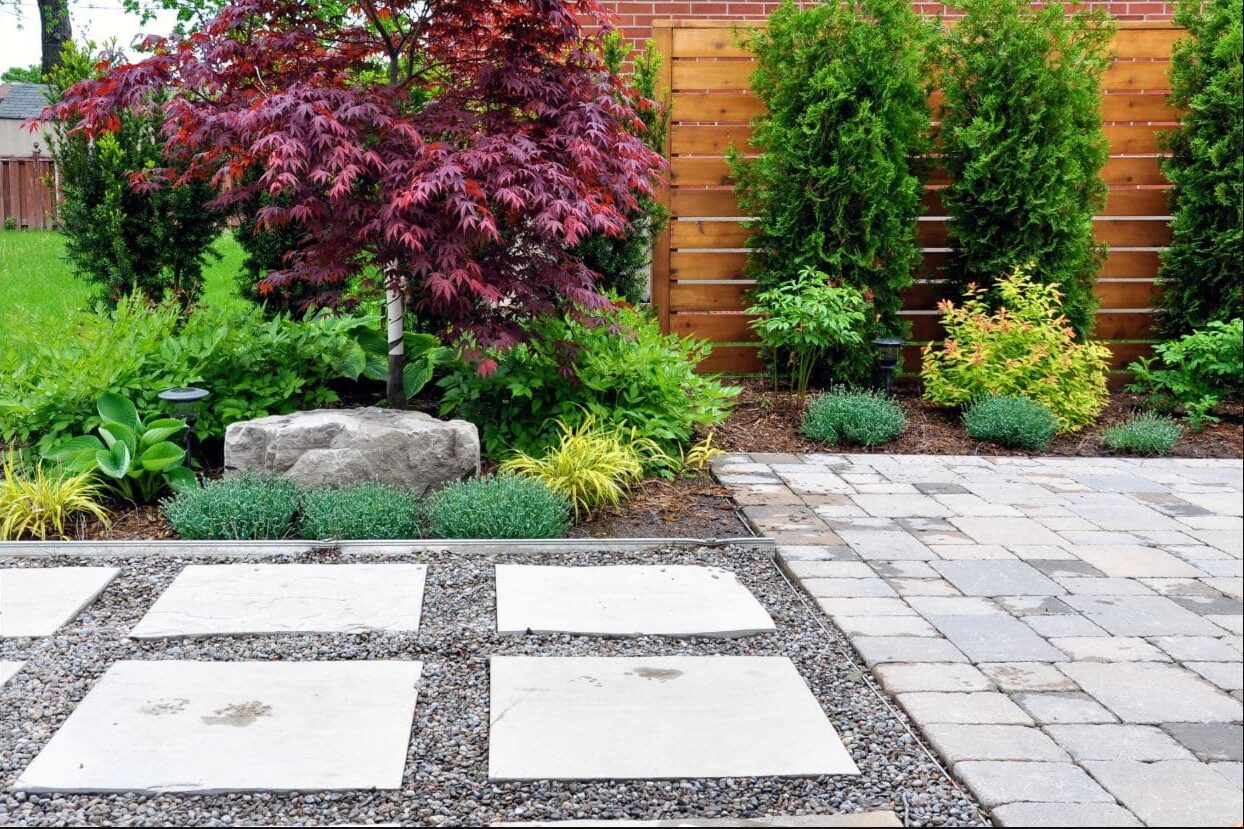
To properly prepare your site, excavate the soil to a uniform depth of 7 to 8 inches. This allows room for a 4-inch compacted gravel base, a 1-inch bedding layer of sand, and the thickness of the Stone Pavers themselves, while ensuring a consistent, level slope for water runoff.

Soil stability dictates the lifespan of your hardscape. If you skip deep excavation, shifting ground, and frost heaves will quickly ruin your smooth surface.

Establishing the Pitch

Water must always flow away from your home’s foundation. Ensure your walkway maintains a slope of at least 1/4 inch per linear foot. Drive stakes at the beginning and end of the path, tying a tight mason line between them to establish a perfectly uniform grade.

3. Laying the Aggregate Foundation

Never drop pavers directly onto raw dirt. A long-lasting pathway requires a multi-layered aggregate foundation built from structural, angular gravel and sharp bedding sand.

  • Lay the Geotextile Fabric

1.Lay the Geotextile Fabric: Prevents shifting.

Line your cleared trench with heavy-duty geotextile fabric. This permeable barrier keeps the soil from mixing with your gravel base, dramatically reducing weed growth and preventing sinkholes.

  • Add and Compact the Gravel Base

2.Add and Compact the Gravel Base: 4 inches thick.

Pour 3/4-inch angular crushed stone into the trench in 2-inch increments. Run a mechanical plate compactor over each layer at least three times, spraying a light mist of water to help lock the jagged stone particles into a rock-solid, unyielding subbase.

  • Install Edge Restraints

3.Install Edge Restraints: Locks the borders.

Secure heavy-duty plastic or metal snap-edge restraints along the perimeter lines of your walkway. Drive 10-inch steel spikes into the base every 12 inches to anchor the borders securely and prevent your pavers from spreading outward over time.

  • Screed the Bedding Sand

4.Screed the Bedding Sand: 1 inch thick.

Lay down two 1-inch-outer-diameter steel pipes across your gravel. Pour coarse washed concrete sand between them, then slide a straight 2×4 board along the pipes to screen a perfectly flat, uniform 1-inch sand bedding layer. Do not step on this sand once it is smooth.

4. Setting the Stone Pavers

With your foundation set, you can begin the precise task of placing the stones.

Always start laying your pieces at the lowest point of the slope or along a hard foundation wall. Place each paver straight down into the sand; never slide them, as this disrupts your perfectly smooth bedding layer. Use a standard herringbone, running bond, or basketweave pattern to distribute foot traffic weight evenly.

Checking Alignment

Keep a long bubble level across your path as you work. If a single stone sits a bit too high, gently tap it down using a non-marring rubber mallet. If a piece sits low, lift it out, sprinkle a trowel of sand beneath it, and reset it. Keep your joints tight, aiming for uniform gaps between 1/16 and 1/8 of an inch.

5. Joint Polymeric Sand Application

To lock your walkway stones permanently in place, sweep polymeric sand into the open joints until they are completely filled to the top. Vibrate the sand down into the gaps using a plate compactor protected with a rubber pad, sweep away all excess surface dust, and lightly mist the path with water to trigger the hardening polymers.

Polymeric sand contains specialized chemical binders that activate when wet. Once dry, it turns into a strong, flexible mortar that locks out weeds, stops ants from tunneling, and prevents water from washing away your foundation sand.

Stone Pavers

Comprehensive Walkway Installation FAQs

How deep should I dig for a paver walkway?

You should excavate to a depth of 7 to 8 inches. This accommodates a 4-inch base of compacted gravel, a 1-inch layer of bedding sand, and standard 2.375-inch thick pavers, leaving the finished walkway flush with the surrounding grass.

Can I lay stone pavers directly on dirt or grass?

No, laying pavers directly on dirt or grass leads to rapid settling, uneven surfaces, and weeds. Without a properly crushed-stone drainage base and edge restraints, the stones will shift, sink, and crack under foot traffic within a single season.

What is the best sand to use under stone pavers?

The best choice is coarse, washed concrete sand (often called ASTM C33 sand). Avoid using fine playsand or masonry sand, because their rounded grains slide around and will wash away easily under rain.

How do I prevent weeds from growing in my paver walkway?

Use high-quality geotextile fabric beneath your gravel base to block deep root systems, and seal your surface joints with polymeric sand. The polymer binders harden into a dense barrier that prevents windblown weed seeds from taking root in the joints.

How long does a properly installed stone paver walkway last?

A professionally installed paver walkway built on a fully compacted aggregate foundation easily lasts 30 to 50 years. Individual concrete or natural stone units are highly durable, and individual pieces can be easily swapped out if they ever get damaged.

Elevate Your Landscape Architecture

Mastering how to lay stone pavers for walkway structures requires precise calculations, intensive physical labor, and commercial-grade tools. If you want to guarantee a flawless, high-durability finish without the heavy lifting, working with an elite hardscaping team is the smartest move.

JBS Express McKinney specializes in custom stone masonry, drainage systems, and premium landscape transformations. Contact us today to secure a detailed project estimate and bring your dream outdoor design to life.

Benefits of Landscaping Stones: Permanent Solutions for Beautiful Yards

Benefits of Landscaping Stones: Permanent Solutions for Beautiful Yards

the surprising benefits of landscaping stones ofw

Managing a beautiful residential outdoor space requires a smart balance between aesthetic appeal and regular property maintenance. While traditional grass lawns and organic wood mulches are popular choices, they demand continuous water, regular mowing, and annual replacement. To break away from this high-maintenance cycle, property owners are turning to hardscaping materials.

If you want to achieve a sustainable outdoor space, the team at JBS Express McKinney can help you design a stunning, eco-friendly yard that thrives in any season while adding real curb appeal to your home.

What are the Main Benefits of Landscaping Stones in Home Design?

The primary benefits of landscaping stones include permanent weed control, improved yard drainage, excellent soil temperature regulation, and the complete elimination of annual mulch replacement costs. Choosing natural stone gives you a durable material that does not rot, decay, or blow away during heavy seasonal storms.

When installed over a professional-grade geotextile fabric, stones create a highly effective barrier that stops weeds from sprouting. At the same time, this layout allows rainwater to soak naturally into the groundwater table, keeping your property safe from standing water.

Advanced Yard Drainage and Soil Erosion Control

Heavy downpours can quickly wash away loose soil, expose sensitive plant root systems, and create dangerous mud pools near your home’s foundation. Heavy aggregates such as river rock, crushed limestone, and native fieldstone remain firmly in place during intense rainstorms. Constructing a dedicated dry creek bed with varying stone sizes safely funnels pooling water away from your foundation slabs and directs it toward municipal storm channels.

Eliminating Pests and Improving Root Health

Organic wood mulches retain moisture deep within the surface, creating an inviting environment for wood-boring pests such as subterranean termites, carpenter ants, and silverfish. Moving to clean stone elements removes these insect-feeding hazards entirely. Furthermore, stones shield underlying plant roots from extreme summer heat waves while preventing water from evaporating too quickly from the topsoil.

Landscaping Stone

Creating Functional Living Spaces with Flagstone Flooring

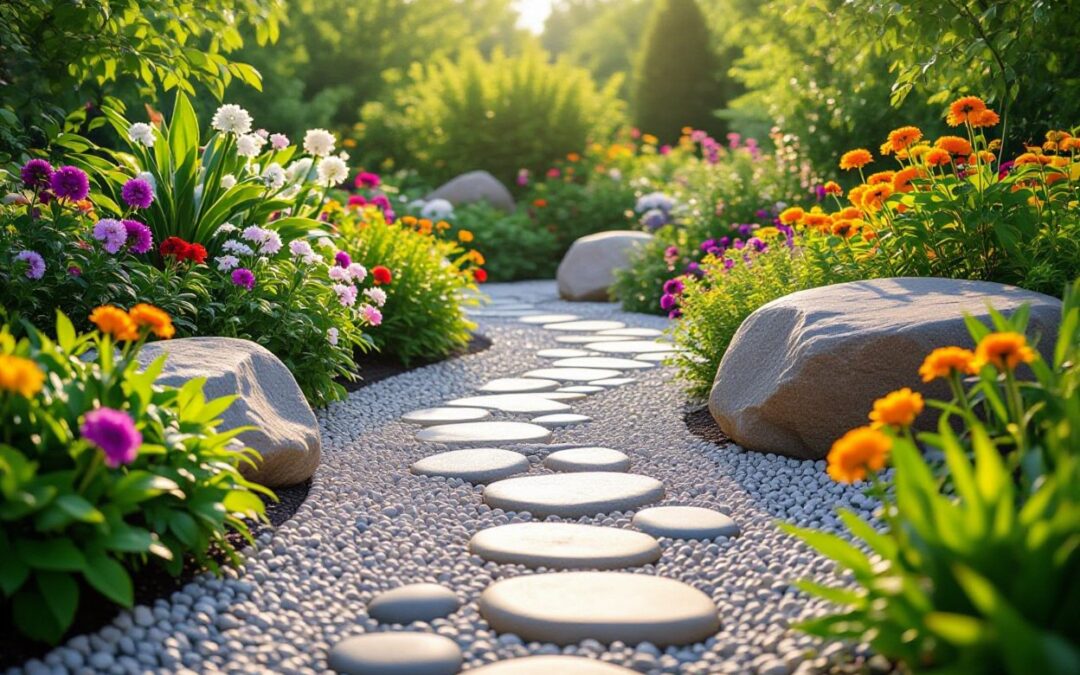
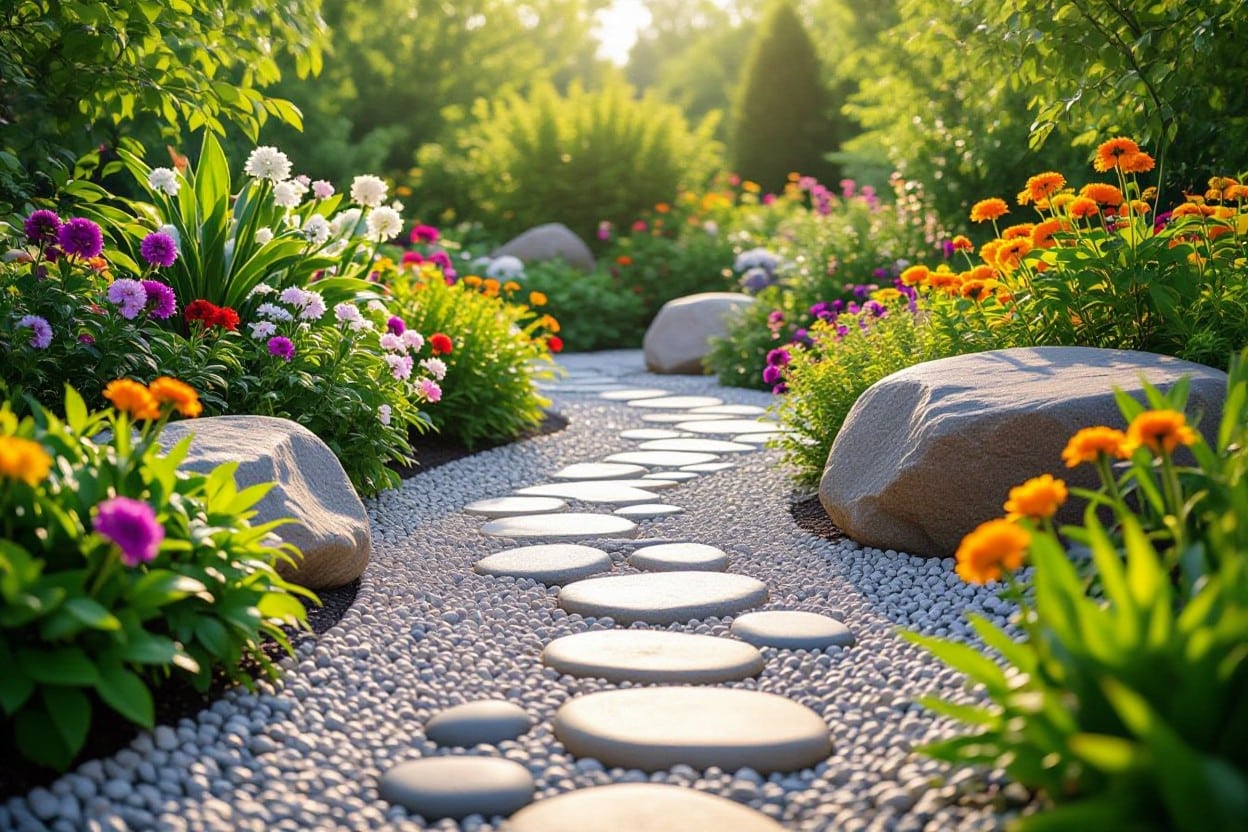
Incorporating larger flat stone selections, like Texas flagstone, into your design lets you build stable, premium outdoor living areas. Flagstone creates a durable floor for custom backyard patios, fire pit hubs, and winding garden paths without requiring large concrete pours.

Frequently Asked Questions

  • How do landscaping stones help conserve water in residential areas? Stones are a core element of xeriscaping, a water-wise approach that replaces thirsty turf grass with drought-tolerant plantings and stone aggregates. This layout blocks direct sunlight from drying out the ground, cutting down on lawn watering needs and reducing home water bills by up to 60 percent.
  • Will weed growth occur inside stone-covered garden beds? Weed growth can happen if dirt and organic debris blow into the stones from above. Homeowners can stop this by laying down a heavy-duty, woven landscape fabric before scattering the rock. Occasionally running a leaf blower over the stones also prevents dirt buildup.
  • Which types of landscaping stones are best for walking paths? Flat, wide stone types like flagstone, slate tiles, and chopped limestone are ideal for primary walking paths. For casual accent walkways, small, rounded choices like pea gravel or fine decomposed granite pack down tightly to create a smooth, easy-to-walk surface.
  • Do dark landscaping stones raise summer soil temperatures? Dark stones, such as black lava rock or dark granite, absorb solar heat and can raise nearby soil temperatures in the afternoon. For properties with delicate plantings, experts recommend using lighter stones like white quartz, river pebbles, or cream limestone to reflect sunlight and keep roots cool.
  • How do you clean leaves and debris out of stone beds? The easiest way to clean stone beds is to use a standard leaf blower set to low speed. This shifts lightweight leaves and grass clippings without moving the heavier rocks underneath. For deeper cleanings every few years, rinsing the beds down with a garden hose restores the stones’ bright colors.

Ready to Upgrade Your Property with Premium Hardscaping?

Investing in high-quality stone elements is a smart way to elevate your home’s design, resolve old drainage issues, and eliminate your seasonal landscaping chores. Whether you want to install a clean river rock border or lay a custom flagstone walkway, using the right stone varieties makes all the difference.

The local installation team at JBS Express McKinney is standing by to help you choose the best materials to match your vision. Contact JBS Express McKinney today to schedule your professional site evaluation and transform your outdoor living space.

The Sustainability of Landscaping Stones: A Guide to Eco-Friendly Stone Design

The Sustainability of Landscaping Stones: A Guide to Eco-Friendly Stone Design

Landscape Design

As homeowners and landscape professionals look for ways to minimize environmental impact, outdoor design choices are shifting toward long-term conservation. While plants and water systems are common focuses of eco-friendly design, the foundational materials you choose matter just as much.

Evaluating the sustainability of landscaping stones reveals that natural rock is one of the most eco-conscious materials available for modern hardscaping and landscaping. When sourced responsibly and utilized effectively, stone design plays a vital role in reducing water waste, preventing soil erosion, and eliminating the need for synthetic manufacturing.

Is Natural Stone Sustainable for Landscaping?

Yes, natural stone is highly sustainable because it requires no synthetic manufacturing chemicals, boasts an exceptionally long lifespan, and can be completely recycled. Utilizing local stone minimizes transportation emissions, while strategic stone placement reduces residential outdoor water consumption.

Why Is Natural Stone a Sustainable Landscaping Choice?

To truly understand the sustainability of landscaping stones, it helps to compare them with manufactured alternatives such as poured concrete, composite decking, or synthetic brick pavers. Natural stone is a product of geological processes, meaning its creation requires zero industrial energy or chemical binders.

An Infinite Lifespan and Low Lifecycle Cost

Unlike wood, which rots, or concrete, which cracks and degrades over a few decades, natural stone lasts indefinitely. It withstands extreme weather variations, intense UV exposure, and heavy foot traffic without losing structural integrity. Because it rarely needs replacement, its long-term environmental footprint and lifecycle cost are incredibly low.

Complete Recyclability and Minimal Waste

If a stone patio, retaining wall, or gravel pathway is ever dismantled, the material does not end up in a landfill. Flagstone can be lifted and relaid, river rocks redistributed, and large boulders repurposed into new structural designs. This infinite cradle-to-grave circularity is a core pillar of green building practices.

Environmental Benefits of Eco-Friendly Stone Design

Integrating raw rock into your property does more than just add visual texture; it actively supports local ecosystems. Creative stone design solves several environmental challenges common to residential and commercial properties.

+————————————————————————+

|                      STONE DESIGN ECO-BENEFITS                         |

+————————————+———————————–+

|  Permeable Pathways & Rivers       |  Natural Ground Cover & Mulch     |

|  – Recharges local groundwater     |  – Locks moisture into soil       |

|  – Filters out pollutants naturally    |  – Eliminates plastic weed liners |

|  – Reduces urban stormwater runoff |  – Will not decompose or rot      |

+————————————+———————————–+


Stormwater Management and Groundwater Recharge

Hard, non-porous surfaces like concrete divert rainwater directly into municipal storm drains, carrying surface pollutants into local waterways. Utilizing loose river rock, gravel, or unsealed flagstone patios allows rainwater to seep naturally back into the ground. This natural filtration recharges aquifers and mitigates local erosion.

Weed Suppression Without Chemical Intervention

Layering smaller landscaping stones, such as pea gravel or crushed limestone, creates a durable barrier that suppresses weed growth. Unlike organic mulch, which decomposes annually and requires frequent replacement, stone ground cover provides a permanent solution that minimizes the need for chemical weed killers or synthetic plastic weed fabrics.

Landscaping

How to Maximize the Sustainability of Landscaping Stones

Not all stone usage is equal from an environmental perspective. To ensure your outdoor project is as green as possible, implement these three industry best practices.

1. Prioritize Locally Sourced Stone

The primary environmental cost of natural stone comes from transportation. Shipping heavy boulders or bulk gravel across the country burns significant amounts of fossil fuel. Sourcing regional varieties such as native Texas limestone, local river gravel, or regional sandstone drastically lowers your project’s carbon footprint while ensuring the materials match the local geographic aesthetic.

2. Implement Xeriscaping and Water-Wise Design

Swapping water-thirsty turf grass for a curated layout of drought-tolerant plants, boulders, and gravel beds is known as xeriscaping. Strategic stone placement acts as a natural insulator for the soil beneath, reducing evaporation rates and cutting outdoor water consumption by more than 50%.

3. Avoid Harsh Chemical Sealants

While sealants can alter the surface shine of hardscaping, many traditional glossy coatings contain high levels of volatile organic compounds (VOCs). To maintain true environmental sustainability, leave your stones unsealed to weather naturally, or opt for breathable, eco-friendly, water-based penetrative sealants if structural protection is necessary.

Key Takeaways

  • Zero Chemical Manufacturing: Natural stone requires no industrial chemical processing, making it fundamentally cleaner than concrete or synthetic alternatives.
  • Reduces Water Demands: Utilizing stone in xeriscaping drastically reduces residential irrigation needs.
  • Infinite Lifespan: Stone does not rot, warp, or decompose, yielding an unmatched lifecycle value that stays out of landfills.
  • Enhances Drainage: Permeable stone designs allow rainwater to naturally filter back into local underground aquifers.
  • Sourcing Locally is Vital: Buying regional stone varieties minimizes transportation emissions and maximizes eco-efficiency.

Frequently Asked Questions

Q: Is natural stone more sustainable than poured concrete for a patio?

A: Yes. Poured concrete requires cement production, which is a major contributor to global carbon emissions. Additionally, concrete creates an impermeable surface that disrupts natural drainage, whereas stone can be laid in a permeable pattern and lasts significantly longer.

Q: Does harvesting landscaping stone harm the environment?

A: Quarrying does impact the local landscape, which is why sustainable stone design relies on strictly regulated quarries that practice land reclamation. You can also optimize sustainability by choosing recycled stone, fieldstone, or river rocks harvested with minimal environmental disruption.

Q: Can landscaping stones completely replace wood mulch?

A: Yes. While wood mulch introduces organic matter to the soil, it decomposes every year and requires continuous transport, processing, and reapplication. Landscaping stones provide permanent weed suppression and moisture retention without needing replacement.

Q: How does local stone selection lower a project’s carbon footprint?

A: Because stone is exceptionally heavy, transporting it over long distances requires substantial fuel. Purchasing stone quarried in your region reduces transport emissions to a fraction of those associated with imported exotic stone.

Q: Will installing stone ground cover make my yard hotter?

A: Darker stones can absorb and radiate heat during peak summer sun. To mitigate this effect in warm climates, select light-colored stones like limestone, white river rocks, or light granites, which reflect sunlight and help keep the surrounding soil cool.

Q: Can I reuse old landscaping stones if I change my yard design?

A: Absolutely. This is one of stone’s greatest ecological benefits. You can wash, relocate, and repurpose gravel, flagstone, and boulders indefinitely across different areas of your property or pass them along to another project.

Elevate Your Property with Sustainable Stone Design

Creating an elegant, high-end landscape doesn’t mean you have to compromise on environmental responsibility. By choosing natural stone, you are investing in a timeless material that conserves water, supports natural drainage systems, and eliminates the need for repetitive, waste-producing replacements.

If you are ready to transform your outdoor space with durable, eco-conscious materials, the team at JBS Express is here to supply premium, regionally sourced stones tailored to your unique vision. From functional gravel pathways to breathtaking flagstone installations, we help you build outdoor spaces that respect the environment. Contact JBS Express McKinney today to explore our selection and plan your next sustainable landscape project.

Types of Landscaping Stone: Complete Guide to Rocks & Gravel

Types of Landscaping Stone: Complete Guide to Rocks & Gravel

Landscaping Stone

Choosing the right hardscape materials can completely transform your home’s exterior. Selecting from the many types of landscaping stone allows you to add texture, address drainage challenges, and significantly reduce weekend yard work.

Whether you want to lay a classic stone walkway, replace decaying wood mulch with permanent rock beds, or build a structural retaining wall, matching the correct stone to your specific project is essential for lasting results.

What Are the Best Types of Landscaping Stone?

The best types of landscaping stone include flagstone for flat surfaces, river rock for drainage and garden beds, crushed gravel for budget-friendly pathways, and large boulders for visual focal points. The ideal choice depends on whether your project requires a smooth walking surface, stable ground cover, or heavy structural support.

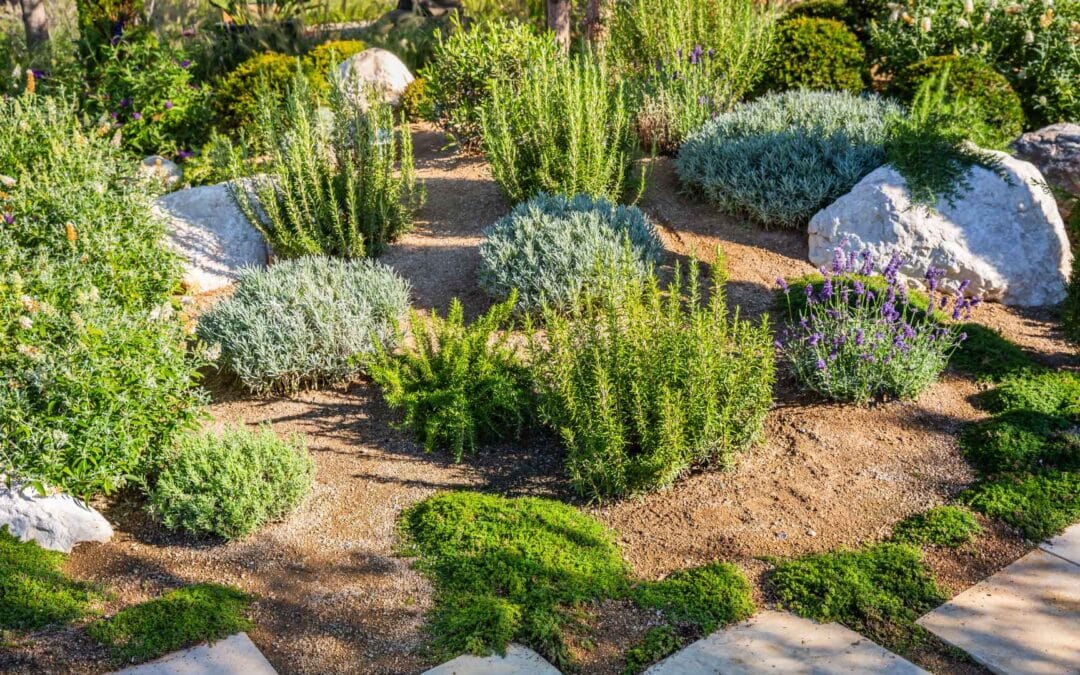
River Rock and Decorative Boulders. Source: Katherin Stanley / Getty Images

1. Flagstone: Best for Patios and Walkways

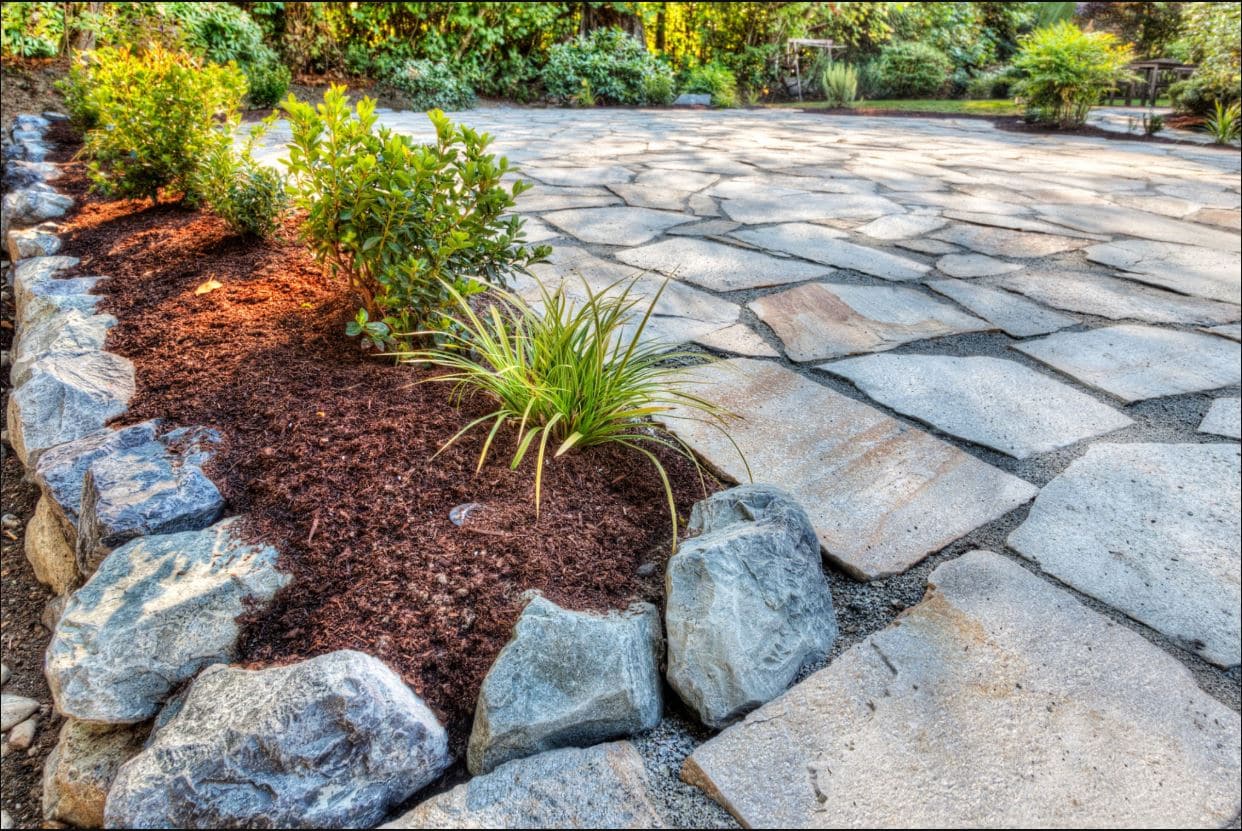
Flagstone is a broad term for flat, layered sedimentary rock prized for creating stable walking surfaces. It typically comes in large, irregular slabs ranging from 1 to 3 inches thick.

  • Common Varieties: Sandstone, slate, limestone, and quartzite.
  • Best Uses: High-traffic patios, winding garden walkways, stepping stones, and outdoor living areas.
  • Pros: Exceptionally durable, naturally slip-resistant, and offers an elegant, high-end aesthetic.
  • Cons: Heavy to transport and requires a level, well-prepared base of sand or gravel to prevent shifting over time.

Flagstone Patio Installation

2. River Rock: Ideal for Drainage and Garden Beds

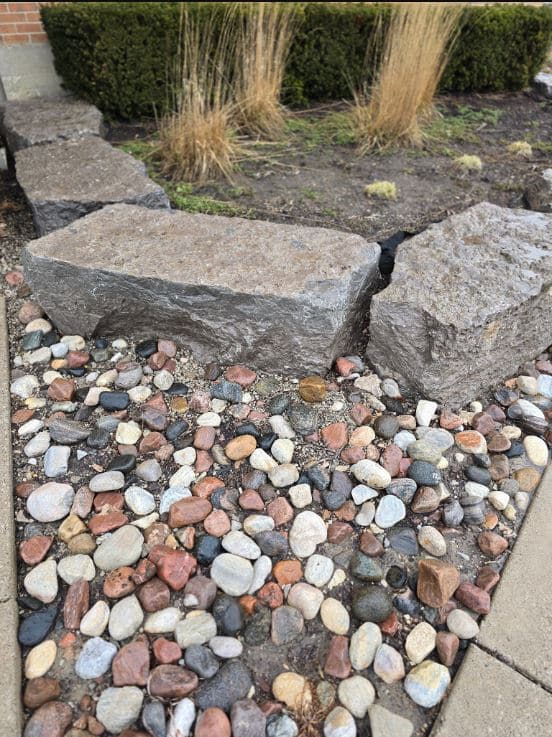
River rocks are smooth, rounded stones sculpted over thousands of years by moving water. They feature soft edges and natural earth tones like gray, tan, brown, and cream.

  • Sizes: Available in small pebbles up to large cobbles (typically 1 to 5 inches in diameter).
  • Best Uses: Lining dry creek beds, managing heavy rain runoff downspouts, bordering garden beds, and serving as a permanent weed-blocking alternative to wood mulch.
  • Pros: Excellent water permeability prevents erosion; doesn’t decompose or require seasonal replacement like traditional mulch.
  • Cons: Tends to shift underfoot, making it a poor choice for walkways where people push lawnmowers or strollers.

3. Crushed Stone and Gravel: The Budget-Friendly Solution

Crushed stone is an angular, machine-broken aggregate stone that locks tightly together when compacted. Pea gravel, by contrast, consists of tiny, naturally rounded pebbles about the size of a pea.

Stone Type Average Size Best Application Key Benefit
Pea Gravel 3/8 inch Dog runs, fire pit areas, play spaces Soft underfoot, excellent drainage
Crushed Limestone 1/4 to 1 1/2 inches Driveways, paver sub-bases, utility paths Interlocks firmly, highly affordable
Decomposed Granite Fine particles Natural rustic trails, xeriscaping Highly stable when compacted

4. Boulders and Flagstone Slabs: Bold Focal Points

Landscape boulders are massive, individual rocks that anchor your overall yard design. They can be rough, angular quarry cuts or smooth, rounded glacial stones.

  • Best Uses: Creating vertical focal points in large gardens, house number engravings, or acting as structural retaining walls to manage sloped yards.
  • Pro Tip: To make large stones look natural, bury the bottom one-third of the boulder into the ground. This gives the illusion that the rock is an authentic, emerging part of the local landscape.

How Do I Choose the Right Landscape Stone?

To choose the right landscape stone, first evaluate the function of your space. For walking zones, prioritize flat materials like flagstone. For wet areas, opt for smooth river rock to guide water away from your foundation. For extensive ground cover, use affordable aggregates such as crushed limestone or pea gravel.

Always consider your regional climate. Porous stones, such as certain sandstones, can trap moisture and split during intense winter freeze-and-thaw cycles. If you have a sloped yard, use angular crushed stone rather than rounded gravel, as the sharp edges lock together to prevent erosion during heavy rainstorms.

4. FAQ Section

What is the cheapest type of landscaping stone?

Crushed limestone and clean run gravel are generally the most affordable options, often costing significantly less per square foot than quarried flagstone or premium river rock.

Is rock or mulch better for landscaping?

Rock is superior for long-term durability and drainage because it doesn’t rot, attract termites, or require annual replacement. However, wood mulch is better for cooling soil temperatures and adding organic nutrients to delicate flower beds.

How do I prevent weeds from growing through my landscape stones?

Install a commercial-grade woven landscape fabric beneath your stones before pouring them. For maximum defense, clear any existing weeds from the dirt and apply a pre-emergent barrier before laying the cloth down.

Can I pour landscaping stone directly over dirt?

It is not recommended. Pouring stone directly onto bare dirt allows the rocks to sink into the mud during heavy rain, making it difficult to clean and accelerating rapid weed growth.

What size stone is best for a walking path?

For a stable gravel path, stones sized between 1/4 inch and 1/2 inch are ideal. Materials like pea gravel or decomposed granite pack together well while remaining comfortable to walk on.

5. Key Takeaways Section

  • Function First: Use flat flagstone for seating areas, angular crushed rock for driveways, and rounded river rock for drainage channels.
  • Low Maintenance: Stone ground covers eliminate the need for annual mulching, saving you time and money over the lifespan of your landscape.
  • Foundation Prep Matters: Always use high-quality landscape fabric and a compacted base layer to prevent stone sinking and weed intrusion.
  • Local Appeal: Select stones native to your region to ensure long-term climate durability and a cohesive neighborhood look.

6. Call-to-Action Section

Ready to Upgrade Your Yard’s Curb Appeal?

Choosing the perfect hardscape materials can feel overwhelming, but you don’t have to tackle it alone. At JBS Express, we deliver premium landscape stone directly to your driveway. Contact our team today to find the ideal materials for your next outdoor project!