

Sustainable Landscaping Rocks: How to Build the Best Eco-Friendly Landscape

Sustainable Landscaping Rocks: How to Build the Best Eco-Friendly Landscape
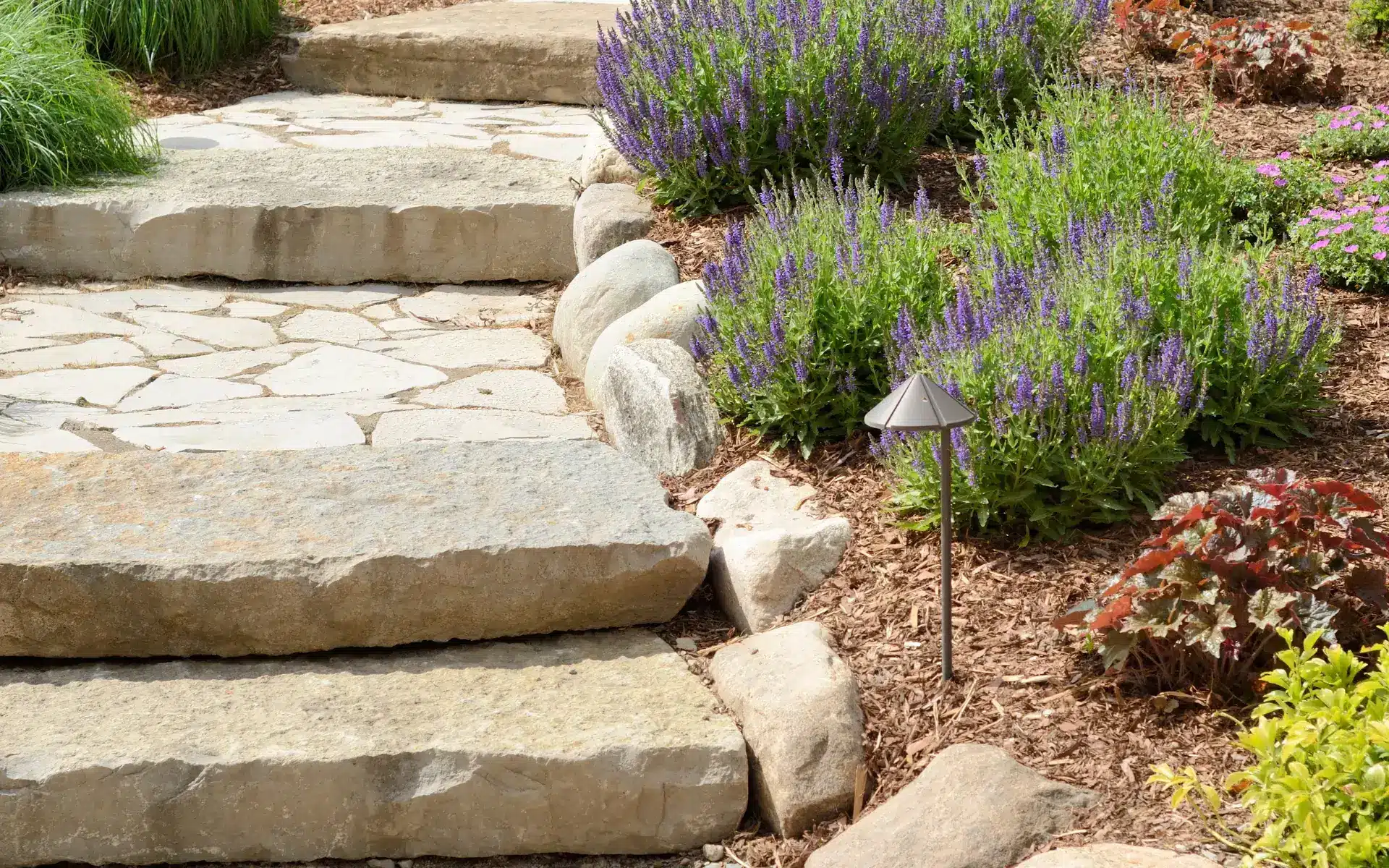
Landscaping with Stone 3 1

 More homeowners and landscapers today want a yard that looks great and supports the environment. One of the best ways to achieve this is by using sustainable landscaping rocks. At JBS Express, we supply eco-friendly landscape materials that add beauty, function, and long-term value to your yard. From decorative rocks to natural stone, our products help you design an outdoor living space that is both stylish and sustainable.

Why Choose Sustainable Landscaping Rocks?

Using rocks in your landscape design is more than a style choice—it’s a smart way to build a sustainable landscape. Unlike grass lawns, which use a lot of water and need constant upkeep, landscaping rocks can help save time, money, and resources.

Here are the biggest benefits:

  • Reduce water use – Rocks don’t need watering, which helps in dry areas or places with water limits.
  • Stop soil erosion – Rocks protect slopes and prevent damage from runoff.
  • Long-lasting and low-maintenance – Stones don’t fade, crack, or rot, making them a durable choice.
  • Eco-friendly option – Natural rocks are a sustainable choice that can be sourced locally, lowering transport impact.
  • Blend seamlessly with native plants – Rocks work beautifully with local plants, creating an authentic and eco-friendly landscape.


Types of Sustainable Landscaping Rocks for Your Outdoor Space

At JBS Express, we carry a wide range of landscape rocks and natural stone. Choosing the right type depends on your project, but here are some of the most popular options:

1. Gravel

  • Works well for pathways, driveways, and drainage areas.
  • Options like Native Pea Gravel, Granite, and Midnight Gravel are strong, attractive, and permeable, helping reduce runoff.

2. Boulders

  • Ideal for retaining walls, rock gardens, or focal points.
  • Choices include Glacier Boulders, Rainbow Boulders, and Moss Boulders, each adding natural character and structure.

3. Flagstone and Pavers

  • Best for patios, walkways, or outdoor living areas.
  • Oklahoma Flagstone and Colorado Flagstone provide timeless charm and support sustainable landscaping practices.

4. River Rock

  • Great for drainage, decorative edging, or as a mulch alternative.
  • Smooth stones such as Arizona River Rock or Colorado Salt ’N’ Pepper River Rock add polish and color.

5. Decorative Pebbles

  • Perfect for accents, planters, and rock landscaping features.
  • Options like Mexican Beach Pebbles or Santorini Beach Pebbles bring elegance and texture.


Benefits of Landscaping Stones in Sustainable Design

Adding high-quality landscaping stone to your yard is more than a trend. It’s a long-term investment that improves your outdoor space while lowering your environmental impact.

Here’s why these rocks are such a smart option:

  • Sustainability – They cut down on water use, chemicals, and waste.
  • Visual appeal – Stones add natural beauty and texture for a unique design.
  • Low maintenance – No mowing, trimming, or watering required.
  • Durability – Rocks like granite and limestone last for decades.
  • Versatility – From walkways and patios to drainage solutions, they work in almost any design.
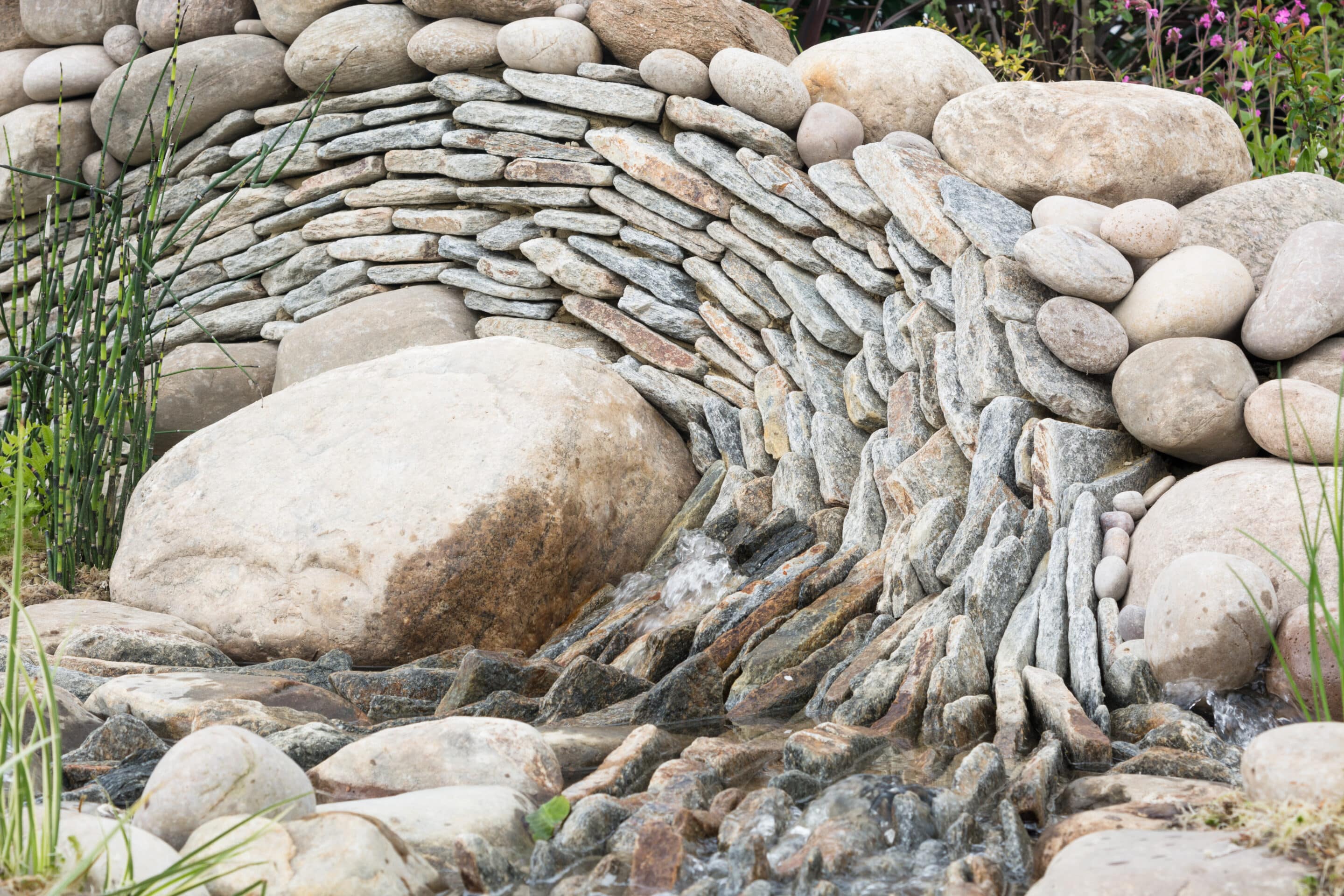
Landscape with rock

Landscaping Ideas Using Sustainable Rocks

Looking for ways to use rocks in your yard? Here are some simple but effective ideas to create a sustainable outdoor space:

  • Rock Gardens – Pair rocks with native plants to build a beautiful, low-water garden.
  • Patios and Pathways – Use gravel or flagstone to create welcoming, natural walkways.
  • Retaining Walls – Stop soil erosion and add depth with boulders or stone blocks.
  • Decorative Borders – Line your flower beds with river rock or pebbles for a neat finish.
  • Drainage Solutions – Place permeable gravel or river rocks where water collects to reduce runoff.


Landscaping Stone Maintenance: Keep Your Yard Looking Fresh

One reason homeowners love landscape rocks is their low-maintenance nature. Still, a little care keeps your yard looking great:

  • Rinse stones now and then to remove dust and dirt.
  • Pull weeds around rock beds for a clean look.
  • Refill areas with gravel or small stones if they shift over time.
  • Place landscape fabric under rocks to block weed growth.
  • Check drainage areas to make sure rocks stay in place.


Sustainability of Landscaping Stones: Why It Matters

Choosing sustainable and natural materials like stone and gravel is more than a design decision—it’s a commitment to environmental responsibility.

Here’s why sustainable landscaping rocks are the smart pick:

  • Long life span – Rocks rarely need replacing, unlike mulch.
  • Eco-friendly sourcing – Using local stone supports the community and reduces transport waste. As they say, it’s always good to support local.
  • Lower footprint – Rocks cut down water use and reduce the need for chemicals.
  • Functional benefits – They help with erosion control, runoff, and creating permeable pathways.


FAQs About Sustainable Landscaping Rocks

1. Are rock gardens better for the environment than traditional lawns?

Yes. Rock gardens save water, reduce chemical use, and require minimal upkeep, making them a more sustainable choice.

2. Can I use artificial rocks in an eco-friendly garden?

Artificial rocks exist, but they don’t provide the same sustainability or durability as natural stone. Real stone is best for an eco-friendly landscape.

3. How do I keep my rock garden looking clean?

Rinse your rocks, remove weeds, and refresh small stones if needed. Landscape fabric helps keep areas neat.

4. What types of landscaping stone are best for drainage?

Gravel, river rock, and decomposed granite are excellent for managing water flow.

5. How do rocks work with native plants in sustainable design?

They reduce water use, promote biodiversity, and create a natural, sustainable outdoor area.

6. Do rocks need more care than mulch?

No. Rocks are easier to manage and last much longer than mulch.

7. Can rocks prevent soil erosion?

Yes. Boulders and gravel stabilize soil and help direct water flow to protect your yard.


Final Thoughts: Create a Sustainable Landscape with JBS Express

With sustainable landscaping rocks, you can design an outdoor space that looks stunning and supports the environment. At JBS Express, we carry everything you need—boulders, flagstone, gravel, decorative rocks, pebbles, mulch, and soil products—to make your landscaping project a success.

Serving McKinney, Frisco, Plano, Allen, Richardson, Fort Worth, Denton, and Irving, we’re your trusted source for sustainable materials that bring both beauty and sustainability to your home.

Call us today or visit our shop to explore our full range of landscape materials. Let JBS Express help you create a yard that blends elegance with environmental responsibility.


Also Read:

The Ultimate Guide to High-Quality Landscaping Stone

Sustainability of Landscaping Stones: Create a Sustainable & Eco-Friendly Landscape with Natural Stone

Sustainability of Landscaping Stones: Create a Sustainable & Eco-Friendly Landscape with Natural Stone

Landscape Design

When it comes to landscape design, more homeowners and contractors are looking for ways to combine beauty with environmental responsibility. One of the most effective approaches is choosing sustainable landscaping stones. At JBS Express, we believe in helping you create outdoor spaces that balance timeless beauty, functionality, and sustainability. Whether you’re designing a new patio, paving a stone pathway, or building a retaining wall, using natural stone is an eco-friendly choice that reduces your environmental footprint while enhancing your home’s curb appeal.


Why the Sustainability of Landscaping Stones Matters

The concept of sustainability in landscaping is about more than just looks. It’s about designing outdoor living spaces that last, reducing waste, as well as minimizing the environmental impact of your landscaping project. Unlike traditional materials like concrete, which require energy-intensive production, natural stone is often locally sourced and can be repurposed, reused, or recycled. This makes it a responsible choice for eco-conscious homeowners.

Key environmental benefits of using stone in landscaping include:

  • Durability and longevity: Stones provide strength and low-maintenance appeal, reducing the need for frequent replacements.
  • Reduced carbon footprint: Locally sourced stone limits transportation emissions and supports community stone suppliers.
  • Environmental responsibility: Using stone helps reduce erosion and control runoff in modern landscape design.
  • Eco-friendly options: Many types of stone, like crushed stone and decomposed granite, are made from recycled or natural byproducts.


Types of Landscaping Stone for a Sustainable Landscape

Choosing the right landscaping material is essential for both design and sustainability. Here are some popular types of landscaping stone that not only look great but also contribute to an eco-friendly dream landscape:

1. Flagstone

  • Ideal for stone pathways, stepping stones, and patios.
  • Offers permeable paving that reduces runoff and improves water absorption.

2. Gravel & Crushed Stone

  • Affordable, low-maintenance, and perfect for rock gardens, mulch alternatives, and stone pathways.
  • Native pea gravel, bull rock, and decomposed granite are excellent eco-friendly options.

3. Boulders & Chopped Stone

  • Great for retaining walls, water features, or focal points in outdoor areas.
  • Products like Glacier Boulders, Moss Boulders, and Oklahoma Chopped bring both durability and timeless beauty.

4. Flagstone & Builders Stone

  • Durable materials like Oklahoma Flagstone, Silvermist Flagstone, and Colorado Flagstone are perfect for creating sustainable outdoor spaces that are built to last.

5. Gravel for Driveways & Walkways

  • Granite, Tejas Black, and native river gravel are excellent alternatives to concrete.
  • Provides an eco-friendly landscaping material that’s cost-effective and long-lasting.

By choosing natural stone, you ensure your landscaping project supports beauty and environmental responsibility while also offering practical durability.


Benefits of Landscaping Stones for Eco-Friendly Outdoor Spaces

Using natural stone in sustainable landscaping is not just a design choice—it’s an environmentally responsible landscaping practice. The Benefits of Landscaping Stones include:

  • Timeless appeal: Stones provide a classic, natural look that complements both modern and traditional landscaping trends.
  • Longevity: Stones mean fewer replacements, reducing waste over time.
  • Versatility: From stepping stones to rock gardens, there are multiple ways to incorporate natural stone into your outdoor living space.
  • Eco-friendly landscaping: Choosing stone over synthetic products reduces your reliance on traditional landscaping materials like plastic mulch.
  • Practical function: Stones help with erosion control, water runoff management, and even temperature regulation in outdoor areas.


How to Incorporate Sustainable Landscaping Rocks

If you’re planning a landscaping project, here are ways to use sustainable landscaping rocks effectively:

  • Pathways & Pavers: Install stone pathways or permeable paving to reduce water runoff.
  • Patios & Outdoor Living: Use flagstone or chop stone to create stylish, eco-friendly patios.
  • Retaining Walls: Build with Austin Wall Block or Moss Boulders to support soil stability and prevent erosion.
  • Rock Gardens: Incorporate sunset boulders, rainbow boulders, or verde boulders for natural charm.
  • Water Features: Stones like Oklahoma Creekrock can be used in ponds or fountains to create a calming, natural touch.

By choosing natural stone, you’re not just designing—you’re making a sustainable choice for landscaping that benefits both your home and the environment.


Final Thoughts: Sustainability Meets Beauty with Natural Stone

Creating a sustainable landscape means making thoughtful choices about your landscaping materials. Natural stone offers the perfect blend of beauty, functionality, and environmental responsibility. With its longevity, ability to be repurposed, and minimal environmental footprint, stone is one of the best sustainable materials for modern outdoor living spaces.

At JBS Express, we’re committed to helping homeowners, contractors, and gardeners design eco-friendly outdoor areas with high-quality products like Glacier Boulders, Oklahoma Flagstone, Granite, Native River Gravel, and Lueders Chop Buff. Serving McKinney, Frisco, Plano, Allen, Richardson, Fort-Worth, Denton, and Irving, we supply the best sustainable landscaping rocks to transform your yard into an eco-friendly dream landscape.


FAQs about the Sustainability of Landscaping Stones

1. Is stone environmentally friendly?

Yes, stone in landscaping is considered environmentally friendly because it’s durable, reusable, and often locally sourced, which reduces its carbon footprint.

2. What are the cons of landscaping rocks?

The main drawbacks are the upfront cost and potential heat retention in hot climates. However, the longevity and low-maintenance benefits outweigh these issues for many homeowners.

3. Is gravel environmentally friendly?

Yes, gravel is an eco-friendly landscaping material. It allows water to seep into the soil, reduces runoff, and can be sourced locally.

4. Is stone more sustainable than concrete?

Absolutely. Choosing natural stone over concrete helps reduce energy consumption in production and minimizes environmental impact.

5. Can natural stone be reused in landscaping projects?

Yes, one of the biggest environmental benefits of stone is that it can be repurposed. Old stone can be reused for pathways, patios, or retaining walls, reducing waste.

6. What types of stone are best for landscape sustainability?

Options like flagstone, gravel, boulders, and chopped stone are extremely sustainable due to their durability and availability in locally sourced stone.

7. How do stones help with erosion control?

High-quality landscaping stones act as a natural barrier, reducing soil erosion and managing runoff, especially on sloped areas.


Ready to transform your outdoor space with the sustainability of landscaping stones? Visit JBS Express today to explore our wide range of products—boulders, flagstone, chopped stone, gravel, and more. Whether you’re building a patio, pathway, retaining wall, or rock garden, we’ll help you find the eco-friendly landscaping materials that best fit your needs.

Start your sustainable landscaping project today with JBS Express—your trusted local stone supplier for eco-conscious landscaping needs.


Best Landscaping Stone Maintenance Tips for Pavers and Natural Stone Patio

Best Landscaping Stone Maintenance Tips for Pavers and Natural Stone Patio

private house shrubs

When it comes to landscaping stone maintenance, homeowners often ask how to keep their patios, walkways, and driveways looking beautiful without constant heavy work. The truth is, maintaining stone surfaces is about consistency, not complexity. At JBS Express, we’ve seen how a well-planned care and maintenance routine can turn an ordinary stone patio into a long-lasting focal point for your outdoor living space. Whether you’ve invested in natural stone pavers, a porous limestone patio, or decorative stone around the garden, the right approach will help you clean and maintain your stone, protect structural integrity, and enjoy years of beauty and functionality.

Why Landscaping Stone Maintenance Matters

Skipping regular maintenance may not seem like a big deal at first, but minor problems can add up quickly. Stone maintenance prevents weed growth in joints, reduces moss buildup, and protects porous stone surfaces from water penetration. Without proper care, a spill can stain, grime can set in, and your outdoor space can lose its curb appeal. By sticking to a regular cleaning routine, you’ll enjoy the benefits of landscaping stones, including durability, low maintenance, and natural beauty. A well-maintained patio or walkway adds to your property value. It creates an inviting outdoor living space for family and friends. Even better, consistent maintenance reduces the need for harsh chemicals such as bleach or abrasive cleaners that can damage natural stone surfaces. Instead, you’ll rely on safe cleaning methods, warm water, mild detergent, and eco-friendly products that keep your stone looking great while protecting the environment.

Types of Landscaping Stone and How to Care for Them

Understanding the types of landscaping stone you have is key to knowing the best way to clean and protect them.

  • Natural Stone Patio: Surfaces made from limestone, travertine, or granite are porous. They absorb spills and stains quickly, so sealing your stone is essential. Use a high-quality stone sealer to protect natural stone surfaces from dirt and grime.
  • Stone Pavers: Concrete or clay pavers are durable but still benefit from sealing and regular cleaning. Using polymeric sand between joints prevents weed growth and keeps your walkway or driveway looking polished.
  • Decorative Stone and Landscape Rocks: These add beauty and functionality to garden beds and borders. While they require less attention, dirt and debris can still dull their aesthetic appeal if not cleaned regularly.
  • Sustainable Landscaping Rocks: If you want eco-friendly options, these are designed to last longer and reduce the need for frequent replacements. They support the sustainability of landscaping stones, making them a wise choice for landscape maintenance.

No matter the stone type, installing stone correctly, ensuring proper drainage, and following a good maintenance routine will keep your surfaces in top shape.

Practical Landscaping Stone Maintenance Tips

Here are practical maintenance tips to help you protect your stone landscape, whether it’s a stone patio, driveway, or decorative walkway:

1. Sweep and Clear Debris Regularly

Loose dirt, leaves, and moss can damage the surface over time. Using a brush, leaf blower, or garden hose, remove dirt and debris before it sets.

2. Wash With the Right Cleaning Solution

For everyday dirt and grime, mix warm water with dish soap or a mild detergent. Gently scrub with a brush to avoid scratching porous stone. Avoid using harsh solutions or abrasive cleaning products that can remove sealants.

3. Rinse With Care

A garden hose is good for minor cleaning, while a pressure washer is recommended for more thorough cleaning. Always use lower settings to prevent damaging natural stone pavers or disrupting polymeric sand.

4. Apply a Sealer for Protection

Sealing your stone is one of the best ways to clean and maintain it. A good stone sealer protects against spills, stains, moss, and water damage. Reseal your patio, walkway, or driveway every one to two years, depending on weather exposure and foot traffic.

5. Address Stains and Spills Promptly

From food spills on a natural stone patio to oil leaks on a driveway, stains should be cleaned immediately. Use stone-safe cleaners for stubborn stains and avoid bleach, which can cause discoloration and weaken masonry.

6. Prevent Weed Growth

Weeds not only ruin the look of a stone surface but also compromise structural integrity. Regularly clean joints and use polymeric sand to stop weed growth before it starts.

7. Schedule Regular Maintenance

Establishing a maintenance routine makes it easier to keep your outdoor space looking fresh. Regularly clean, reseal, and inspect your patio or pavers to catch minor issues early.

Sustainability of Landscaping Stones

Another reason to prioritize care is the sustainability of landscaping stones. Choosing durable, sustainable landscaping rocks reduces the need for replacements and minimizes environmental impact. When properly maintained, natural stone landscaping can last decades, offering long-term beauty and functionality. By learning how to clean stone the right way, you’ll reduce reliance on harsh chemicals, prevent water issues, and extend the life of your outdoor living space. Not only does this protect your investment, but it also supports high-quality landscaping practices that are kinder to the planet.

Final Thoughts

A beautiful stone patio or walkway doesn’t stay that way on its own. With consistent landscaping stone maintenance, you can enjoy the natural beauty of your outdoor living area, reduce repairs, and keep your property looking its best. From sealing and cleaning to controlling weed growth, simple care practices make a big difference in the life of your stone. At JBS Express, we provide a range of products, from premium pavers to high-quality landscaping materials, making it easy for you to create a stunning outdoor living space. If you want long-lasting results and a patio or walkway you’ll be proud of, trust our products for beauty and durability.

FAQs About Landscaping Stone Maintenance

1. How to maintain rock landscaping?

Clear loose dirt and debris regularly with a broom or blower. Wash with mild detergent and warm water, reseal every 1–2 years, and check for weed growth.

2. How to clean stone landscaping?

Use a cleaner made for stone, mild detergent, or dish soap. Avoid harsh chemicals and abrasive scrubs. For a deeper clean, use pressure washing on a low setting.

3. How to prevent landscape rocks from getting dirty?

Install proper drainage, rinse with a garden hose, and regularly clean with gentle cleaning methods to stop dirt and grime from settling.

4. Does natural stone require maintenance?

Yes. Natural stone is porous and requires sealing, regular cleaning, and spill prevention measures to maintain its appearance and remain well-maintained.

5. Are there standard practices that could unintentionally harm stone pavers?

Yes. Using bleach, harsh chemicals, or power washing at high intensity can damage the stone surface and shorten its lifespan.

6. How do I clean stubborn stains on natural stone pavers?

Use a stone-safe cleaner, warm water, and a scrub brush. For deeper clean jobs, pressure washing on low settings is adequate.

7. How does landscaping stone maintenance improve property value?

Well-maintained patios, walkways, and driveways improve curb appeal, extend stone life, and enhance the beauty and functionality of your outdoor space.   Explore JBS Express today for expert-grade products and enjoy a high-quality landscaping experience.

Why Use Them? The 5 Top Benefits of Landscaping Stones

Why Use Them? The 5 Top Benefits of Landscaping Stones

the surprising benefits of landscaping stones ofw

When you’re planning a new look for your yard, it’s easy to get caught up in the details of plants and flowers. But what if the secret to a stunning, low-maintenance landscape lies just beneath the surface? Most homeowners underestimate the power of well-chosen landscaping stones, but you can gain incredible benefits like erosion control, better drainage, and unbeatable curb appeal. At JBS Express, we’ve seen firsthand how incorporating stone can completely transform a yard. This guide will help you understand the surprising benefits of landscaping stones—from improved water management and weed suppression to creating a longer-lasting, more beautiful outdoor space.


The Aesthetic Appeal: Transforming Spaces with Stones

You can elevate a tired yard into a polished outdoor room with flagstone patios, river rock borders, or stacked basalt walls; simple changes often boost curb appeal by 10–15% and cut maintenance time. Using stones lets you mix textures and scales for depth, and the benefits of landscaping stones extend from visual impact to long-term durability in sun, rain, or freeze-thaw cycles.

Natural Beauty and Texture

Choose slate, tumbled bluestone, or rough-cut granite to add tactile contrast against soft plantings; large boulders create focal points while pea gravel and decomposed granite fill paths with a quiet crunch underfoot. You’ll notice how different finishes—polished, cleft, or antiqued—catch light and shadow, giving your beds and borders a layered, museum-quality feel without heavy upkeep.

Color and Design Versatility

Mix white quartz, red lava rock, and gray bluestone to set moods—cool tones for modern minimalism, warm hues for Mediterranean gardens—and follow a simple 60:30:10 rule for color balance. Landscape pros rely on the benefits of landscaping stone to tie hardscape to house colors, and you can use modular pavers or mosaic inlays to create pathways, step patterns, or focal medallions.

Test-combine three stone types at a 2–4 foot mock-up to check how color shifts through seasons and under different lighting; lighter stones lower surface heat in full sun while dark granites add contrast and visual weight. Practical tips: set pea gravel 2–3 inches deep for walkways, space flagstone joints 1/2–2 inches for stability, and consider sealed versus natural finishes to control staining—the right choices amplify the benefits of landscaping stones in both form and function.


Practical Advantages: More than Just Looks

You get long-lasting visual order and measurable utility from choices like pea gravel, flagstone, and crushed granite; the benefits of landscaping stone show up as reduced watering needs, fewer yearly replacements, and defined planting zones that withstand heavy foot traffic for decades.

Low Maintenance and Durability

You save hours on upkeep because rock doesn’t decompose or require seasonal replacement like bark mulch, and properly installed pavers or crushed stone can last 20–30 years with occasional resetting. The benefits of landscaping stone include pest resistance, no rot, and lower annual maintenance costs compared to organic groundcovers.

Functionality in Landscape Design

You can use stones to solve practical problems—permeable gravel paths improve drainage, retaining-wall rock prevents erosion on slopes, and bluestone patios create durable entertaining areas; the benefits of landspacing stones extend beyond aesthetics to measurable improvements in runoff control and space definition.

You should size and place materials for the purpose: use 3/4″ crushed rock compacted as a base under patios, 1/4″ pea gravel for walking surfaces, and larger riprap for stream banks; add edging to keep stone contained, a compacted base for stability, and selective planting pockets to maintain biodiversity while keeping maintenance low.

the surprising benefits of landscaping stones rkl

Environmental Impact: Sustainability in Your Garden

You can reduce your garden’s waste stream by choosing durable stone over disposable materials; the benefits of landscaping stone include longevity—natural stone patios and gravel paths can last decades, while wood mulch often needs annual replacement, so you lower material turnover and associated emissions. Selecting locally quarried or reclaimed pieces cuts transport energy, and using permeable aggregates helps recharge groundwater rather than sending runoff to storm drains.

Eco-friendly Materials

Opt for reclaimed pavers, crushed recycled concrete, or locally sourced flagstone to lower the embodied energy in your beds and walks; the benefits of landscaping stones are evident in reduced mining impact and less landfill-bound waste. You can pair recycled glass mulch or crushed granite with native plantings to create low-input zones that demand minimal irrigation and fertilizers, supporting biodiversity while keeping maintenance and carbon costs down.

Soil Erosion Prevention and Water Management

Stone terraces, riprap, and dry streambeds stabilize slopes and slow water, reducing soil loss and channeling runoff into infiltration zones. The benefits of landscaping with stone become evident during storm events, as well-graded rock and permeable paving can mitigate surface erosion and control peak flows. Integrating stone with swales or rain gardens allows you to store and filter water on-site, rather than overwhelming drains.

Use layered construction—geotextile underlayment, a compacted base, then graded stone—to prevent undermining and promote drainage; place larger angular stones at the toe of slopes and finer aggregate upslope to dissipate energy. Incorporate native deep-rooted grasses and shrubs between stones for root reinforcement and pollutant uptake. For slopes above about 25–30%, consult an engineer for terracing or reinforced walls, and size channels to handle expected storm intensities in your region.

Cost-Effectiveness: Investing in Your Landscape

You can lower long-term upkeep by choosing stone: typical installation ranges $3–$25 per sq ft, depending on material—pea gravel at the low end, natural flagstone or pavers at the high end—while annual maintenance for simple rock beds often stays under $50. That upfront-versus-lifetime tradeoff explains one key benefit of landscaping stones when you measure lifecycle costs and resale appeal.

Long-term Value of Landscaping Stones

Durability pays off: quality stone lasts 20–30 years with little upkeep, meaning you avoid replacing organic mulch every 1–2 seasons or renovating worn lawn areas. You’ll cut water use and labor—rock beds eliminate regular mowing and many irrigation needs—so your cumulative savings and increased curb appeal show another dimension of the benefits of landscaping stone.

Comparison with Other Landscaping Options

Stone typically has a higher initial cost but much lower recurring expenses than mulch or turf; mulch needs annual top-ups at roughly $20–$60 per cubic yard, while maintaining a lawn can cost hundreds yearly in water and fertilizer. You should balance what you can spend now against ongoing bills and hours spent on upkeep to decide what fits your property and schedule.

For clearer budgeting, review a side-by-side snapshot of installation and yearly upkeep so you can project five- to ten-year costs and see how the benefits of landscaping stone stack against common alternatives.

Cost & Maintenance Comparison

Option Typical Cost & Upkeep
Decorative stone (gravel, river rock) Installation $3–$10 per sq ft; yearly upkeep <$50; lasts 20+ years
Flagstone / Pavers Installation $10–$25 per sq ft; low annual care; long lifespan with occasional re-leveling
Mulch (wood chips) Initial $1–$5 per sq ft; replenishment $20–$60/yd annually; decomposes in 1–2 years
Turf / Lawn Installation $1–$5 per sq ft for sod; yearly costs often $200+ for water, fertilizer, mowing


Creative Uses: Beyond the Conventional

You can push the benefits of landscaping stones into bold, functional features that change how your yard works and looks; think permeable pavers that cut runoff and boost drainage, gravel rain gardens that handle heavy storms, or stone mulches that reduce watering and last decades. Use materials like flagstone, basalt, or crushed granite to add texture and lower long‑term upkeep, turning ordinary beds and slopes into sturdy, low-maintenance focal points that pay back in durability and style.

Pathways, Borders, and Edging

You can lay a lasting path with a 4″ compacted base, 1″ bedding sand, and 2–3″ stone pavers for stability and ADA‑friendly surfaces; gravel lanes work with 3–4″ of crushed stone for good drainage. Stone edging like cobbles or bluestone keeps mulch and lawn separated, reduces mowing time, and defines beds without rot or frequent replacement—paver costs run roughly $10–25 per sq ft installed, depending on material and pattern.

Unique Elements: Fire Pits, Retaining Walls, and Art

You can build a 36″ inner‑ring stone fire pit with heat‑rated blocks and 10′ clearances for safety, or a dry‑stack retaining wall up to about 4′ without engineering to control erosion and create terraces. The benefits of landscaping stone are evident in seating walls that double as structure, gabion baskets for steep slopes, and stone sculptures or mosaics that age gracefully, anchoring your design with natural color and texture.

You can protect long walls by adding drainage behind them and using geogrid for heights over 4′, with footings placed below frost lines where required (commonly 12–48″ depending on region). For fire features, use firebrick or steel rings, keep combustibles back at least 10′, and choose dense stones like granite or basalt to resist cracking. These choices maximize the benefits of landscaping stone by combining safety, durability, and low maintenance to create lasting outdoor art and structures.


Wrapping Things Up

Ultimately, when you choose stone, you gain low-maintenance, year-round beauty and superior water control. The benefits of landscaping stone include improved drainage, weed suppression, and lasting curb appeal that can significantly increase your property’s value. As you plan your beds and paths, consider how a high-quality landscaping stone or gravel reduces upkeep and resists decay while offering rich color and texture. The benefits of a landscaping stone approach also mean cost savings over time and fewer replacements. Use stone from JBS Express to make your yard simpler, greener, and more durable—the benefits are clear, and the results speak for themselves.


FAQs

Q: Why should I choose stones instead of mulch or grass?

A: Stones last a long time and need less care than mulch or a lawn. The benefits of landscaping stone include less weeding, no monthly mowing, and no yearly mulch replacement. Stones also hold their look through sun and rain, so you save time and money over the years.

Q: Do landscaping stones help with water and soil issues?

A: Yes. Other benefits of landscaping with stone include improved drainage and reduced soil erosion near slopes or downspouts. Stones let water pass through or around them, which lowers puddles and keeps soil from washing away, making yards easier to manage after storms.

Q: Can stones make my yard look better?

A: Absolutely. Garden designers often point to the benefits of landscaping stone for adding color, texture, and clean lines that plants alone cannot give. Stones can frame beds, create neat paths, and make focal areas that lift curb appeal with a simple, natural style.

Q: Are stones a wise money choice over time?

A: Yes. Stone landscaping benefits include low replacement costs and fewer inputs like water and fertilizer, which cut long-term bills. While initial costs vary by type, the durability and low upkeep of rocks often give a better return than plants or constant lawn care.

Q: How do I pick the right stone, and where should I use it?

A: Match stone size, color, and texture to the area and to nearby plants. Use small gravel for walkways, river rock for dry creek beds, and flat flagstone for patios. Consider climate, slope, and drainage, and add landscape fabric or a sand base where weeds or shifting are a concern.

Ready to get started on your landscape transformation? At JBS Express, we make it easy to get the materials you need for your project. We offer a wide selection of landscaping stone options, including flagstone, gravel, and river rock, all of which are available for fast and reliable dump truck and flatbed deliveries. Serving McKinney, Dallas, and the surrounding areas, we have the high-quality landscaping stone and expert advice to help you create a yard that’s both beautiful and functional.

To see our full range of products or to get a quote, give us a call or visit our website today.


The Ultimate Guide to High-Quality Landscaping Stone