
Elevate Your Curb Appeal with Decorative Gravel: A Design Guide

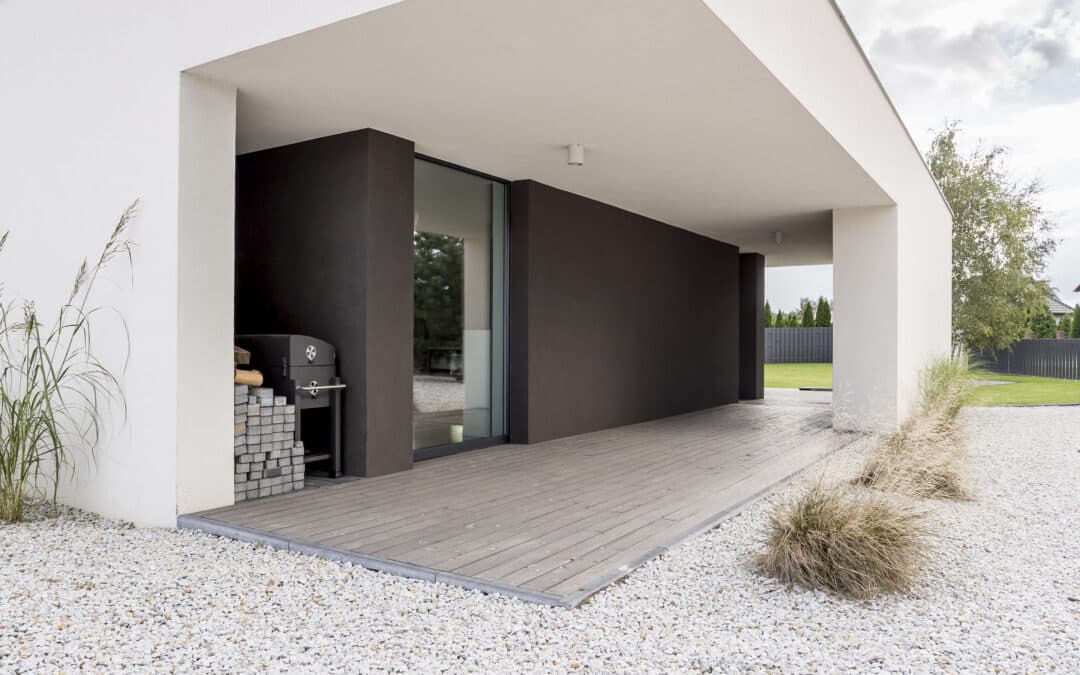
Transforming a standard backyard into a professional looking landscape often comes down to the materials you choose for ground cover. Using Decorative Gravel is one of the most effective ways to add texture, color, and structure to your property. Unlike organic mulch, stone does not decompose, meaning your investment stays beautiful year after year.
At JBS Express McKinney, we provide a premium selection of Gravel and specialized aggregates to help North Texas homeowners achieve a clean, modern, and drought resistant look.
Why Use Decorative Gravel for Landscaping?
Beyond the immediate visual upgrade, choosing Ornamental Stone offers several functional benefits. In our local climate, where water conservation is a priority, stone ground cover acts as a permanent solution for xeriscaping.
Using Decorative Gravel helps retain moisture in the soil by reducing evaporation and provides an excellent barrier against weeds. Furthermore, it creates a stable surface for walkways and seating areas that won’t turn into mud during the rainy season.
Popular Types of Decorative Stone and Their Uses
When selecting the right Landscaping Rock, it is important to match the stone’s physical properties to its intended use. Here are the most sought after varieties for Texas homes.
Pea Gravel for Pathways and Patios
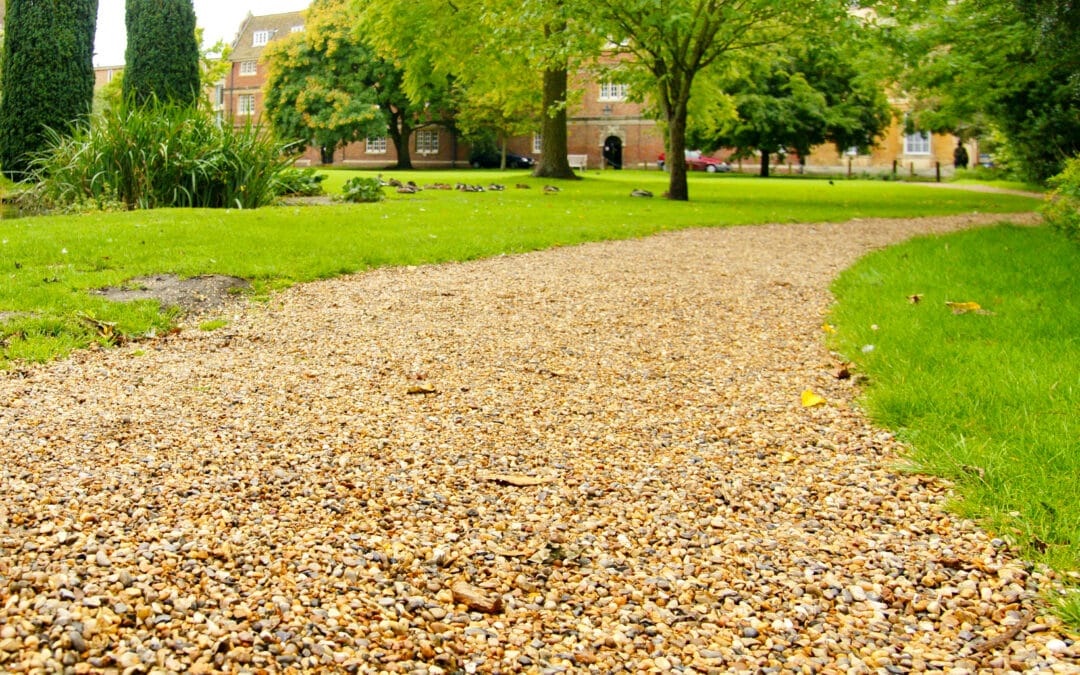
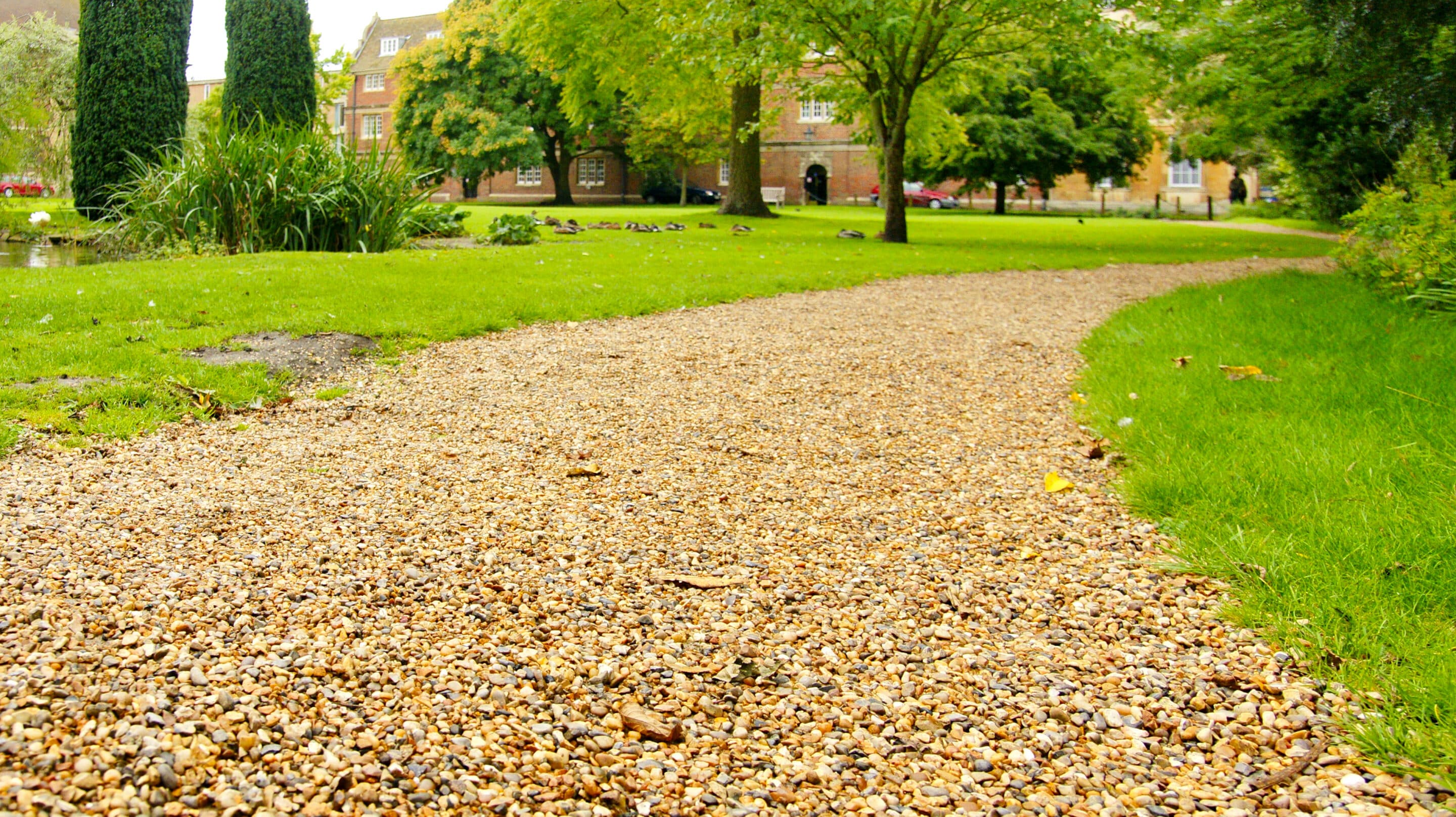
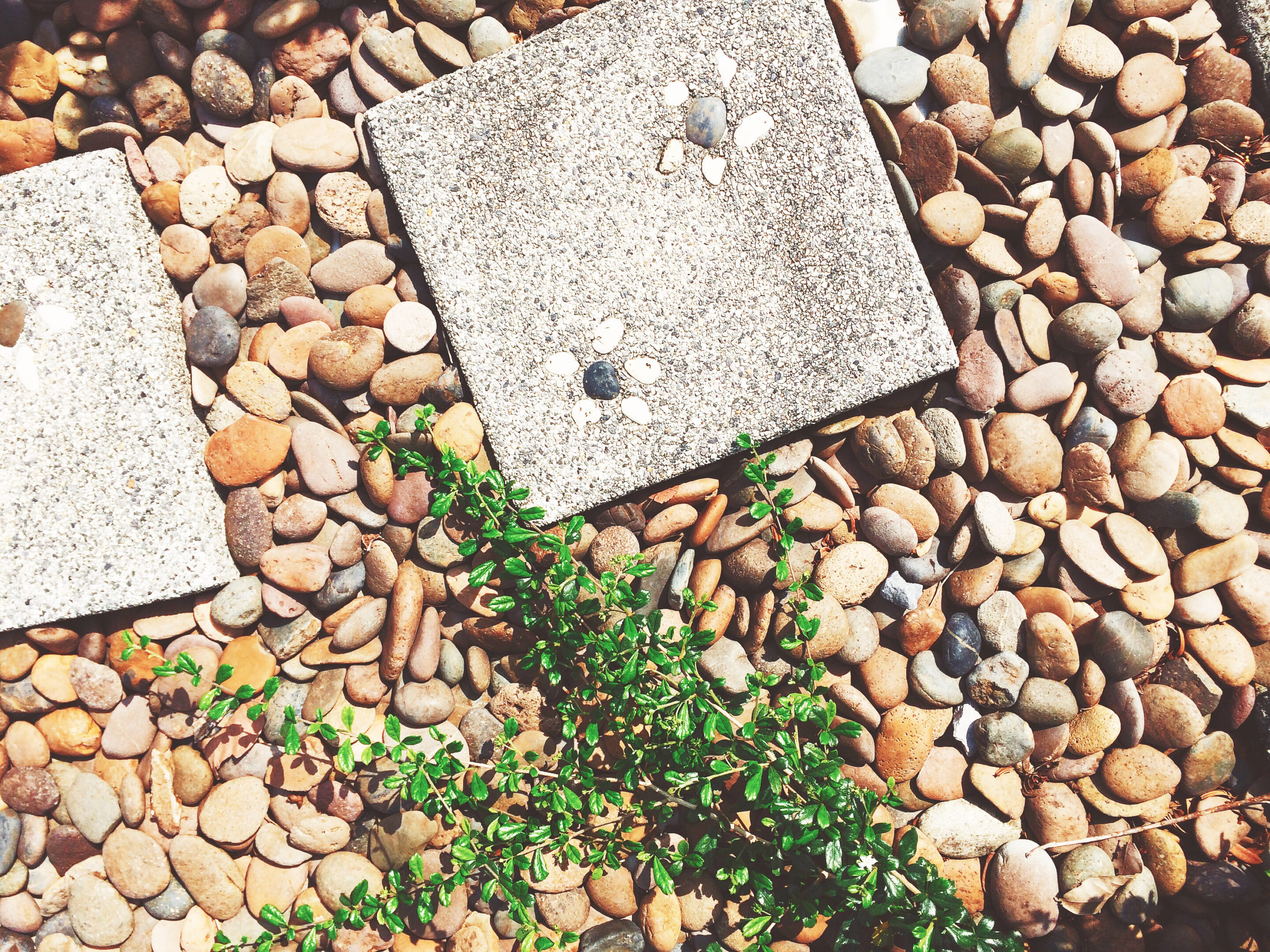
Pea Gravel is a favorite for its smooth texture and multicolored appearance. Because the stones are naturally rounded, they are comfortable to walk on, making them ideal for garden paths, play areas, or even as a base for fire pits.
River Rock for Dry Creek Beds
If you are dealing with drainage issues, River Rock is the perfect functional and Decorative Gravel solution. These larger, water-worn stones can be used to create beautiful dry creek beds that direct runoff away from your home’s foundation while adding a natural, rugged aesthetic.
Decomposed Granite for Sleek Accents
For a more contemporary look, many designers opt for Decomposed Granite. It provides a fine, sandy texture that compacts well. It is often used for high end desert style landscaping or as a soft transition between larger boulders and garden beds.
Crushed Limestone for Clean Borders
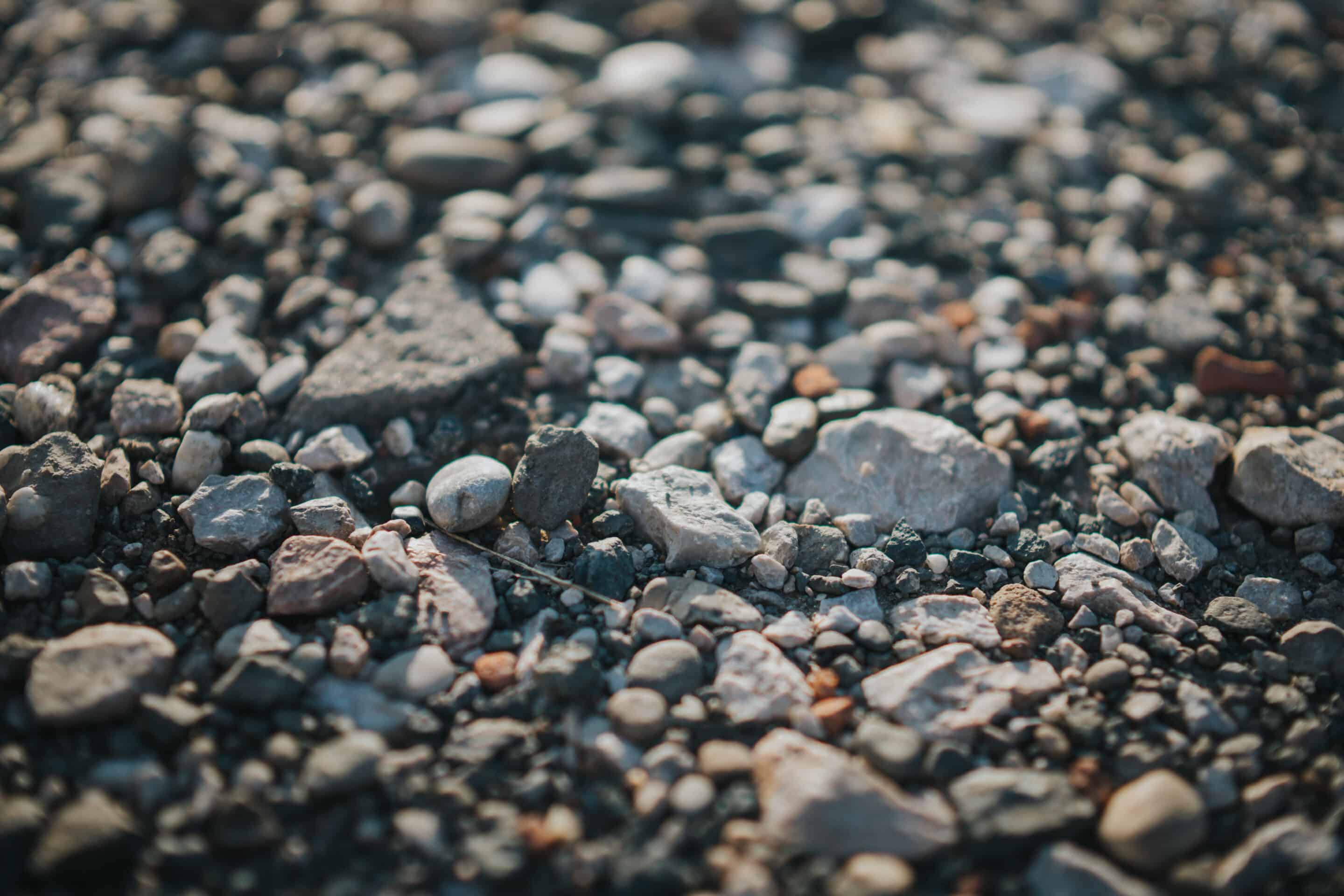
White or grey Crushed Stone offers a bright, clean contrast against green lawn turf or dark brown mulch. It is an affordable way to define borders and keep your garden looking manicured.
Creative Ways to Incorporate Stone into Your Landscape
If you are looking for inspiration on how to utilize Decorative Gravel, consider these professional design tips:
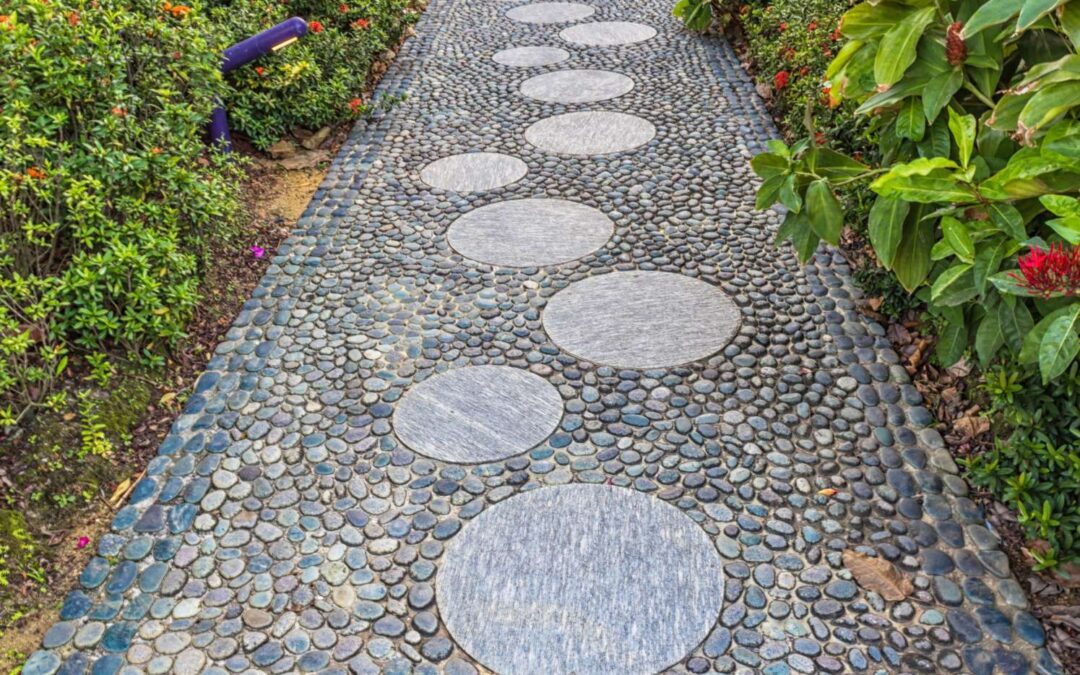
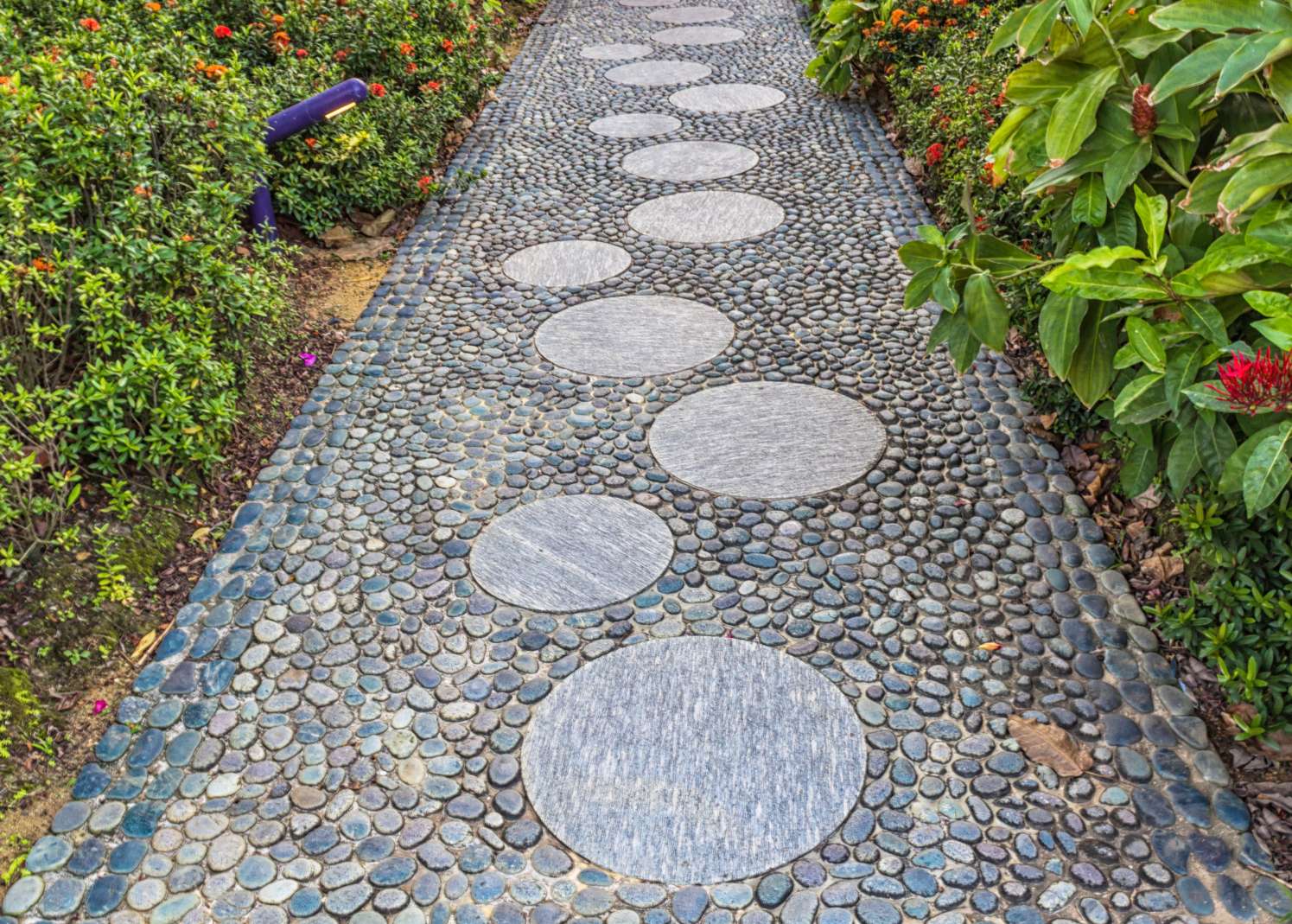
- Modern Stepping Stone Paths: Use large slate flags and fill the gaps with a contrasting dark Landscaping Gravel for a high end, geometric look.
- Potted Plant Topping: Add a layer of small polished stones to the top of your large planters. This keeps the soil cool and adds a finished look to your porch.
- Zero Scape Gardens: Replace thirsty grass with a mix of different stone sizes and drought tolerant native Texas plants to save on water bills.
Proper Installation Techniques for Lasting Beauty
To ensure your Decorative Gravel stays in place and looks its best, follow these essential steps:
- Clear the Area: Remove all grass and weeds from the site before starting.
- Lay Landscape Fabric: Always use a heavy duty weed barrier. This prevents the stone from sinking into the dirt and keeps weeds from growing through.
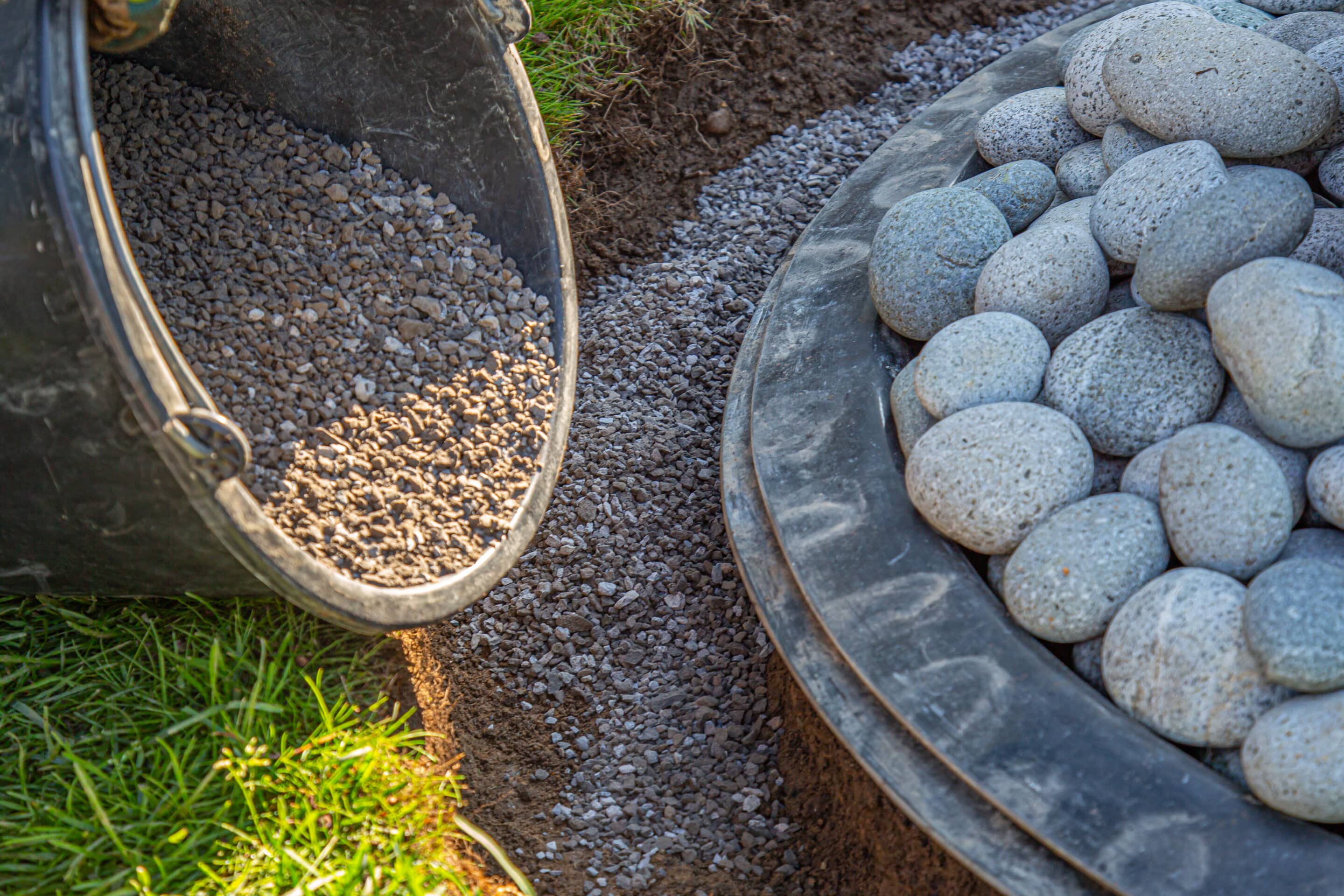
- Add a Border: Use metal or stone edging to keep your Gravel from migrating into the grass or flower beds.
- Even Distribution: Aim for a depth of at least 2 to 3 inches for full coverage and a lush appearance.
Why Trust JBS Express McKinney?
Sourcing high quality stone is the key to a successful project. At JBS Express McKinney, we take pride in being a local leader for Stone Delivery. We understand the North Texas terrain and can help you calculate exactly how much material you need to avoid overpaying or running short.
Frequently Asked Questions (FAQs)
What is the most popular decorative gravel for North Texas?
In our area, Pea Gravel and River Rock are the top choices due to their versatility and ability to handle the local heat and occasional heavy rain.
How do I clean decorative gravel?
Over time, leaves and debris may collect. The easiest way to clean your Decorative Gravel is with a leaf blower on a low setting or a gentle spray from a garden hose to wash away dust.
Will decorative gravel prevent all weeds?
While it significantly reduces weed growth, some airborne seeds may still land and sprout in the dust between stones. Using a high quality landscape fabric and occasional spot treatments will keep your Ornamental Stone looking pristine.
Is decorative gravel pet friendly?
Yes, most rounded varieties like Pea Gravel are safe for pets to walk on. Avoid sharp, large crushed stones in areas where dogs frequently run to prevent paw irritation.
How much does decorative gravel delivery cost?
Costs vary based on the type of stone and the volume needed. Contact JBS Express McKinney for a personalized quote and fast, reliable delivery to your doorstep.
Final Thoughts on Outdoor Design
Incorporating Decorative Gravel into your home’s exterior is an investment in both beauty and functionality. Whether you are creating a zen garden or a practical stone walkway, the right material makes all the difference.
Visit JBS Express McKinney today to explore our selection and let us help you bring your landscaping vision to life with the best Gravels in the region.
Also Read:
Landscaping Gravel: What Type of Decorative Landscape Rock and Gravel Is Best?
Types of Landscaping Stone: What Are the Best for a Yard?
The Ultimate Guide to High-Quality Landscaping Stone
Best Landscaping Stone Maintenance Tips for Pavers and Natural Stone Patio