
Landscape gravel is one of the most versatile materials we sell at JBS Express McKinney. Gravel handles drainage, driveways, paths, bed topping, and base work when you need a durable layer that still lets water move. This guide covers the gravel types we keep on the yard, how to estimate quantity, and how pickup or delivery works for bulk loads.
Whether you are refreshing a driveway, building a French drain, or topping a planting bed before mulch, the right gravel size and color changes how the finished project looks and performs. Our team can help you match product to job — call (469) 972-8818 with your square footage and depth, or use the material calculator before you visit.
What landscape gravel is used for
In North Texas, gravel solves problems clay cannot. Compacted clay sheds water until it pools; gravel creates a permeable layer that drains during heavy rain. Common jobs we see every week include:
- Driveways and parking pads — crushed gravel or road base under tires, with decorative top size for appearance
- Walkways and side paths — smaller gravel that compacts for foot traffic without feeling like loose pebbles
- Drainage swales and French drains — clean angular stone that keeps a channel open under downspouts and low spots
- Bed topping and xeriscape — decorative gravel as a mulch alternative in sunny beds
- Hardscape base — under pavers or flagstone when your contractor specifies a crushed aggregate layer
Gravel is not a substitute for soil when you need to grow plants. For planting depth, see our soils and sands category or compost for bed amendments.
Choosing gravel size for your project
Size matters more than color for performance. Driveways and parking areas usually start with a larger crushed base that locks together under compaction, then a smaller decorative top if you want a finished look. Paths for foot traffic need gravel that compacts without feeling like marbles underfoot — too large and the path feels unstable; too fine and it tracks into the house.
Drainage work favors clean angular stone that does not clog with fines. Decorative beds can use smaller rounded or crushed sizes because they are not carrying vehicle load. When you describe your job at the yard, mention whether people, cars, or water are the main force on the stone — that answer narrows the pile faster than staring at twenty options alone.
Base prep on North Texas clay
McKinney and Collin County clay expands when wet and shrinks when dry. Gravel on raw clay without prep often pumps and ruts after the first wet season. For driveways and heavy paths, scrape organic topsoil, compact the subgrade when it is damp-not-sticky, then place base gravel in lifts and compact each lift. Geotextile fabric is optional but common on soft clay when engineers or experienced contractors specify it.
For light decorative beds, edging matters more than deep base. Metal, stone, or concrete edge keeps gravel from migrating into lawn and from lawn creeping into beds. Slope beds slightly away from foundations so runoff does not sit against the house.
Seasonal timing for gravel work
Spring and fall are the busiest seasons — schedule delivery early in the week if you need a specific day. Summer installs are fine for driveways but hot stone and dry dust make spreading harder; a light mist can help compaction but avoid soup-grade mud on clay. Winter freezes are brief here but avoid placing base on frozen ground if you need true compaction that day.
After delivery, spread gravel promptly if rain is forecast. A pile on a slope can wash toward storm drains. Tarp overnight if you cannot place the load the same day.
Gravel types we stock
Inventory shifts with demand, but these are gravel products McKinney customers order often. Visit the yard to see color and size before you load.
- Decomposed granite — natural tan paths and patios; compacts for foot traffic
- Limestone screenings — fine material for leveling and paver bases
- Texas rainbow gravel — decorative multicolor stone for beds and accents
- Apache gravel — popular decorative size for visible landscape areas
- Rip rap — larger angular stone for erosion control and drainage
Browse the full gravel category online, then confirm availability by phone if you are on a tight schedule.
How much gravel do you need?
Volume is measured in cubic yards for bulk orders. A simple formula: length × width × depth in feet, divided by 27. Example: a 12 × 20 foot driveway extension at 3 inches (0.25 ft) deep needs roughly 12 × 20 × 0.25 ÷ 27 ≈ 2.2 cubic yards. Round up for waste and uneven grade.
Depth depends on use. Driveways often need several inches of base plus a decorative top. Drainage rock may need more depth in low areas. Path gravel might only need 2 inches after a firm subgrade. When in doubt, describe the project at the yard — we would rather quote one correct load than send you back for a second trip.
Use the landscape material calculator or call (469) 972-8818 with measurements. Add about 10% extra for spreading loss on sloped sites.
Pickup vs gravel delivery
Small DIY loads can work in a pickup with a tarp if you respect weight limits. Wet gravel is heavy — do not overload half-ton trucks on limestone or base rock.
Larger driveway, drainage, and contractor jobs are faster with dump truck delivery. Tell us gate width, overhead lines, and where the truck can dump without blocking your driveway for days. Gravel almost always rides in a dump truck, not a flatbed.
We deliver from our McKinney yard across nearby North Texas cities. Pricing depends on distance and yardage — request a quote with your address and approximate cubic yards.
Gravel vs river rock and DG
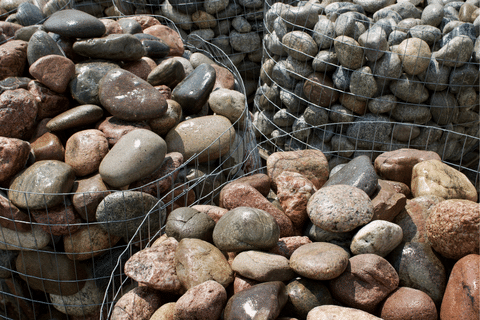
Customers sometimes mix up gravel with river rock or decomposed granite. Gravel is usually crushed or screened angular stone sized for compaction or drainage. River rock is rounded and decorative — better for dry creek beds and accents, not always for driveways. DG compacts into a firm path surface. Each has a job; bring photos of your project if you are unsure.
FAQs
What size gravel is best for a driveway?
Many McKinney driveways use a larger base gravel compacted first, then a smaller decorative top size. Ask what your HOA or contractor specifies — we can match common local specs.
Can I put gravel directly on clay?
For light paths, yes with edging to hold stone in place. For driveways and heavy use, compact the subgrade first or use a geotextile when your plan calls for it.
Do you sell gravel by the bag?
Most bulk projects are cleaner by the cubic yard. Call ahead if you need bagged product for small touch-ups.
How fast can you deliver gravel?
Spring and fall book quickly. Call (469) 972-8818 mid-week for the best window, or pick up at the yard during published hours.
Can gravel help with a soggy side yard?
Gravel in a swale or French drain moves water when the path is graded correctly. It does not fix yard slope by itself — plan drainage direction first.
Is decomposed granite the same as gravel?
DG is a specific fine material that compacts for paths. We stock it alongside crushed gravel sizes — see our DG guide.
Order landscape gravel from JBS Express McKinney
See the pile, confirm color and size, and leave with a clear quantity. Pick up at our University Dr yard or schedule dump truck delivery. Explore related materials on our McKinney service area page or request a quote online.
Driveway depth, drainage size, and gravel under pavers
These are the planning questions customers ask most after they choose a gravel color. Use them with the material calculator so you order once instead of running short mid-job.
How deep should gravel be for a driveway?
Most residential driveways need a compacted base layer plus a driving surface. A common DIY range is about 4–6 inches of compacted gravel total after settling — thicker where soft clay or truck traffic is expected. Ask us for a driveway-size product from the gravels catalog; pea gravel alone is usually too round for a main drive.
What size gravel is best for drainage?
Open-graded stone that leaves voids between pieces moves water better than fine screenings. For French drains and side-yard swales, many crews prefer mid-size washed gravel over fines that pack into a crust. Pair drainage gravel with correct pipe and fabric if your contractor specifies it — we supply the stone; your installer sets the system.
What is the best gravel base for pavers?
Pavers need a compacted aggregate base, then a thin cushion sand bed for leveling. Do not skip base gravel and set pavers on sand alone over North Texas clay — the patio will settle unevenly. Order base gravel and cushion sand on the same ticket when you can.
How much gravel do I need?
Multiply length × width × depth (in feet), then divide by 27 for cubic yards. Add 10–15% for compaction and irregular edges. Our calculator and yard staff both work from those dimensions — bring a sketch if the shape is odd.