
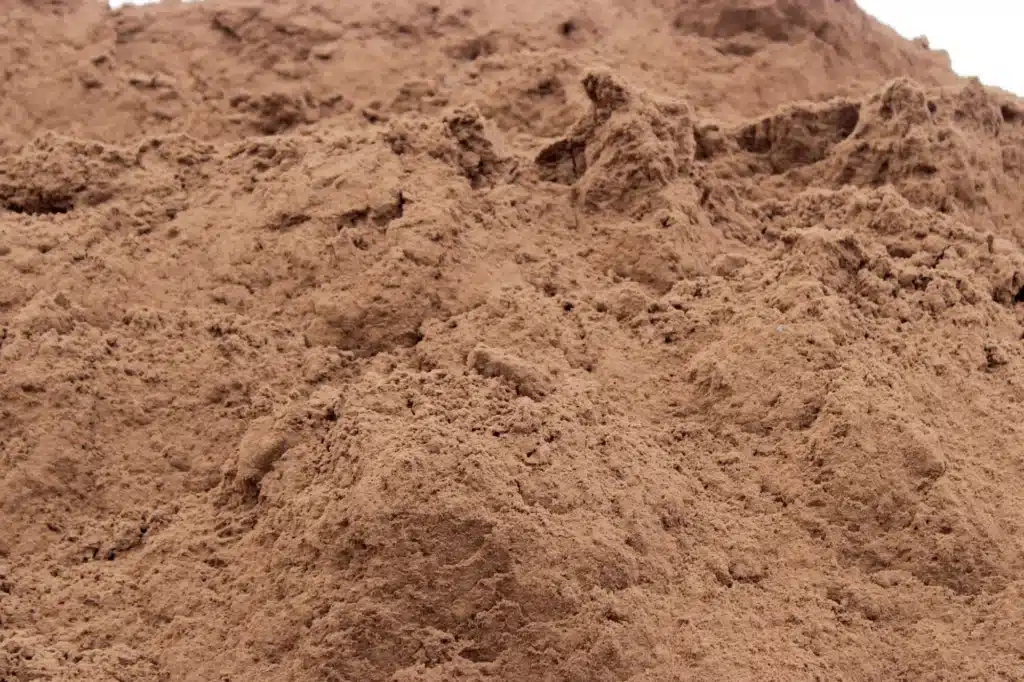
If you are building a paver patio, walkway, or play area in North Texas, cushion sand is one of the most useful base materials you can buy. Homeowners searching for cushion sand usually need a fine, workable sand that levels under pavers, softens play spaces, or finishes joints — not a heavy masonry mix.
This guide explains what cushion sand is, how it differs from other sands stocked at JBS Express McKinney, where it works best, and how to order the right amount for pickup or delivery.
Table of Contents
- What Is Cushion Sand?
- Cushion Sand vs Masonry Sand
- Best Uses Around the Yard
- How Much Cushion Sand Do You Need?
- Buying Cushion Sand in McKinney
- Pickup or Dump Truck Delivery
- FAQs
What Is Cushion Sand?
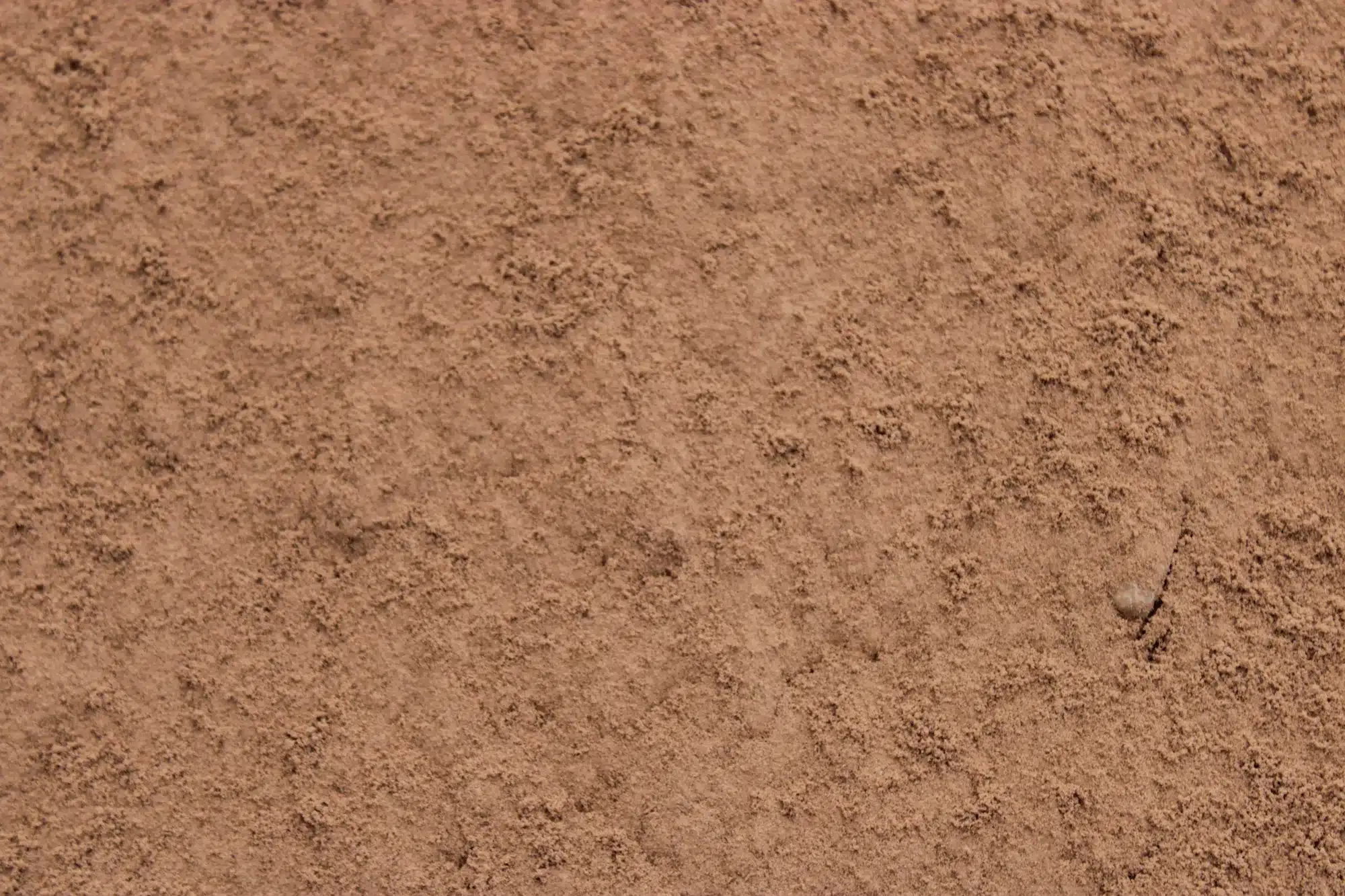
Cushion sand is a fine-grade sand used as a leveling and bedding layer. In landscaping and hardscape work, it sits on top of a compacted base (often crushed stone or road base) and under concrete pavers, brick, or stepping stones. The sand particles are small enough to screed smooth, so the finished surface stays even when you set each paver.
Unlike decorative gravel or river rock, cushion sand is not meant to be the visible finish in most projects. You bury it under hardscape or use it in play areas where a softer surface matters. That is why product pages and yards label it clearly as cushion sand rather than generic “dirt” or fill sand.
At a materials yard, cushion sand also tends to be cleaner and more consistent than random fill pulled from a job site. Consistency matters when you are screeding a patio: uneven particle size creates soft spots and rocking pavers later.
Think of cushion sand as the “adjustable shim” of hardscape. The gravel or crushed-stone base carries the load and fights North Texas clay movement; the sand layer is where you dial in flatness before the first paver lands. Skipping that layer or using the wrong sand is one of the fastest ways a weekend patio starts rocking by the following summer.
Contractors also like cushion sand because it is easy to strike off with a screed board between pipes or rails. That repeatable process is harder with coarse gravel that bridges gaps or with sticky clay that clumps on the tools.
Cushion Sand vs Masonry Sand
McKinney homeowners often confuse cushion sand with masonry sand. Both are fine sands, but they serve different jobs:
- Cushion sand — bedding and leveling under pavers; softer feel for play areas; screeding layer over a firm base.
- Masonry sand — mortar mixes, brickwork, and applications where builders want a washed sand for cement products.
If your contractor asks for masonry sand for mortar, do not substitute cushion sand without asking. If you are building a DIY patio and need a screed bed, cushion sand (or the sand your paver manufacturer specifies) is usually the right call. When in doubt, bring a photo of the project to the yard or call (469) 972-8818 and describe the use.
JBS Express also stocks related soils and sands such as topsoil for planting beds. Keep cushion sand for hardscape bedding — using rich topsoil under pavers can hold moisture and cause settling.
Best Uses Around the Yard
Paver patios and walkways
The classic use is a one-inch (or manufacturer-specified) bedding layer over compacted base. After you screed the sand flat, you set pavers, then sweep joint sand into the gaps. A smooth cushion layer is what keeps the patio from looking wavy on day one.
Play areas and soft landing zones
Some families use cushion sand in play zones where a softer surface is preferred over bare clay. Depth and maintenance requirements vary — check local playground safety guidance if you are building a structured play area, and plan to refresh material as it migrates.
Leveling and touch-up work
Small low spots next to sidewalks or under stepping stones can often be corrected with carefully placed cushion sand, then compacted or watered in. For large grade changes, you still need proper base material — sand alone will not fix a soft clay pad.
North Texas clay considerations
McKinney and Collin County soils expand and shrink with moisture. That is why a well-compacted stone base under your sand bed matters as much as the sand itself. Cushion sand helps you fine-tune the surface; it does not replace drainage planning or a stable base in expansive clay.
Plan for water the day you plan the sand. Slope patios slightly away from the house, keep joints open enough for polymeric or joint sand to lock later, and do not trap runoff against the foundation. Cushion sand that stays saturated in a low spot will migrate — another reason the base grade has to be right before you screed.
If you are matching an existing patio addition, bring a sample bag of the old bedding sand when possible. Texture and color vary by source, and a side-by-side look at the yard avoids a visible patch line where new work meets old.
How Much Cushion Sand Do You Need?
Estimate volume with a simple formula:
Square feet × depth in feet = cubic feet, then divide by 27 for cubic yards.
Example: a 200 sq ft patio with a 1-inch (0.083 ft) sand bed needs roughly 200 × 0.083 ≈ 16.6 cubic feet, or about 0.6 cubic yards — then add 10–15% for waste and uneven grade. Deeper play areas need substantially more.
If math is not your favorite chore, use the on-site material calculator or call JBS Express with your length, width, and target depth. Ordering a little extra is cheaper than stalling a weekend project halfway through.
Buying Cushion Sand in McKinney
You can review the current listing for cushion sand on the JBS Express catalog, then pick up at the yard or schedule delivery. The yard is at 4011 W University Dr, McKinney, TX 75071, with hours that support weekday and Saturday morning projects.
Buying from a local landscape supply yard beats guessing bag counts at a big-box store when you need multiple yards. Bulk material also tends to match better from load to load for larger patios.
While you are planning the rest of the project, browse related stone and gravel in the materials catalog so base rock, edge restraint, and finish materials arrive on the same trip when possible.
Weekend DIYers should also think about storage. Cushion sand left uncovered in a windy driveway will crust and collect debris. If you cannot place it the same day, tarp the pile and keep it off storm drains. Contaminated sand is harder to screed and can stain light-colored pavers.
Pricing is quote-based for bulk loads because truck type, distance, and yardage change the ticket. Call with your city and approximate cubic yards so the team can recommend pickup versus delivery without guessing.
Pickup or Dump Truck Delivery
Smaller DIY loads often fit a pickup with a proper tarp and weight awareness. Larger patio or play-area orders are safer and faster with dump truck delivery. Share gate width, overhead lines, and where the truck can dump so the load lands where you can spread it without double-handling.
Flatbed delivery is another option when you are combining palletized stone with bulk sand. Ask the team which truck type fits your mix of materials.
FAQs
Is cushion sand the same as play sand?
They can look similar, but always confirm the product label and intended use. Play areas may have additional cleanliness or depth requirements. Ask the yard which stocked sand matches your project.
Can I put cushion sand directly on North Texas clay?
For pavers, no — you want a compacted aggregate base first, then the sand bedding layer. Putting sand on raw clay invites movement and soft spots.
Do you deliver cushion sand in McKinney?
Yes. Call (469) 972-8818 or request a quote with your address, quantity, and preferred delivery window.
Get Cushion Sand From JBS Express
Whether you are screeding a patio or filling a play space, start with the right sand and a realistic delivery plan. Visit JBS Express McKinney at 4011 W University Dr, McKinney, TX 75071, call (469) 972-8818, or request a quote online. Local stock, yard pickup, and dump truck delivery keep McKinney projects moving.