
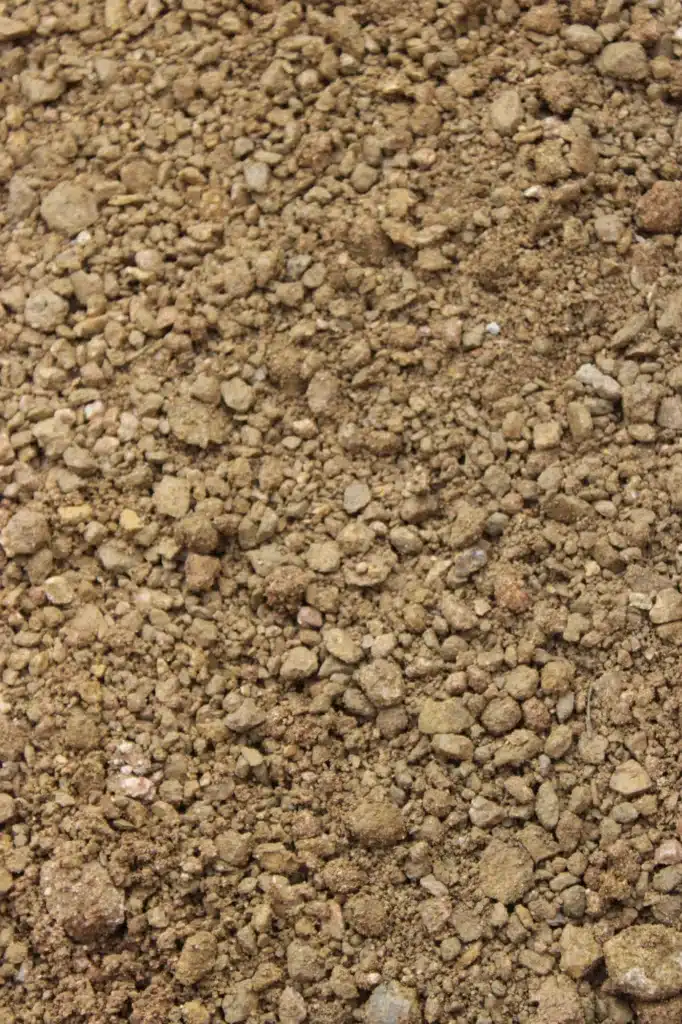
Searches for decomposed granite near me spike every spring and fall in Collin County — and for good reason. Decomposed granite (DG) gives McKinney homeowners a natural-looking path and patio surface that drains better than bare clay and costs less than full flagstone coverage.
This guide covers what DG is, where it shines in North Texas yards, how to estimate quantity, and how to buy decomposed granite in McKinney with pickup or delivery from JBS Express.
Table of Contents
- What Is Decomposed Granite?
- Why McKinney Homeowners Choose DG
- Paths, Patios, and Xeriscape Beds
- Installation Basics
- How Much Decomposed Granite Do You Need?
- Where to Buy Decomposed Granite Near Me
- FAQs
What Is Decomposed Granite?
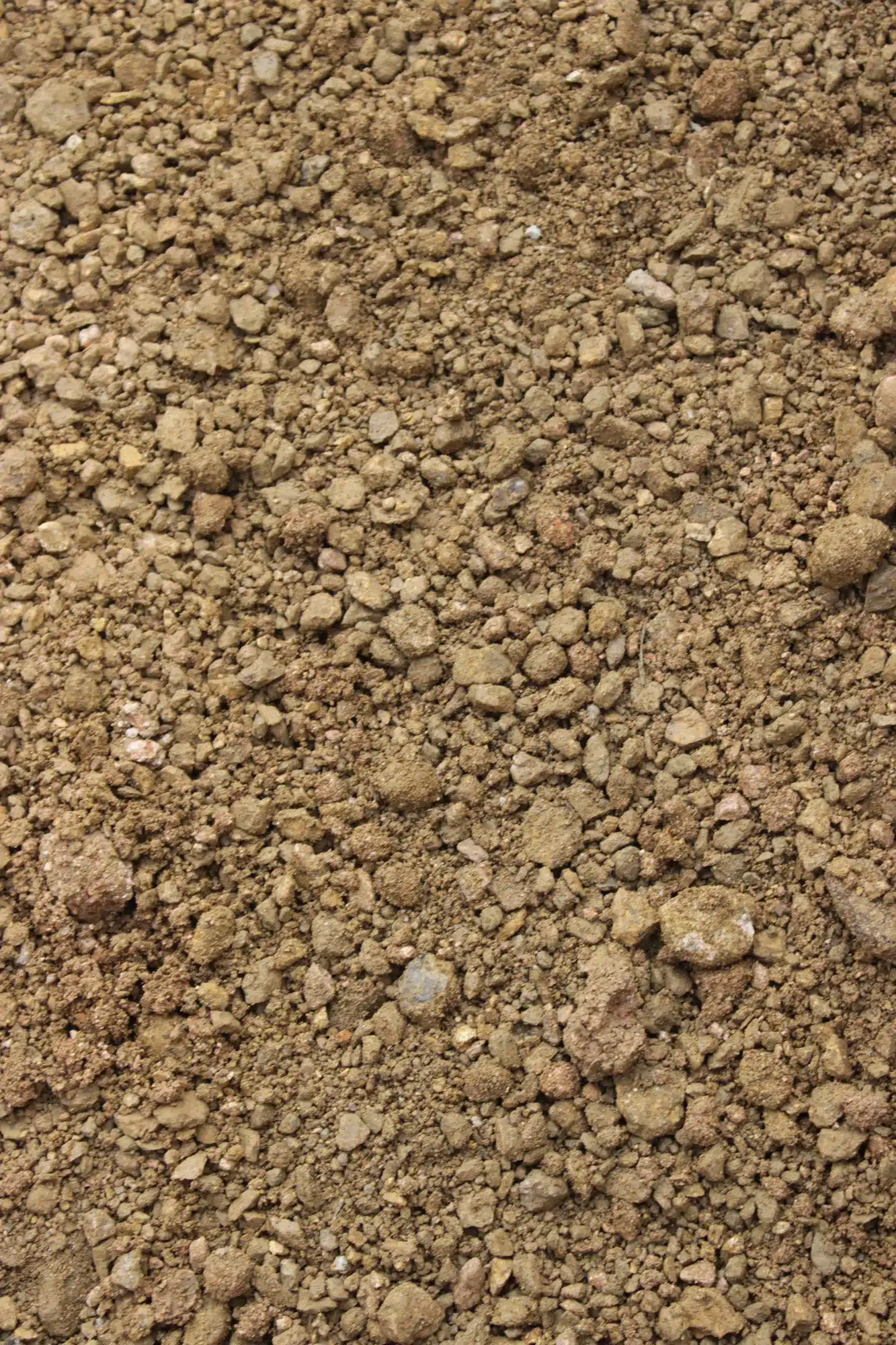
Decomposed granite is granite that has weathered into small particles and fines. On a landscape project it behaves like a fine gravel: firm enough to walk on when compacted, yet permeable enough to shed rainwater better than solid concrete in many pathway designs.
DG is popular for:
- Garden paths and side-yard walkways
- Xeriscape and low-water planting beds as a mulch alternative
- Patio seating pads when combined with proper edging and compaction
- Tree rings and utility strips where turf struggles
Color ranges from warm golds to grays depending on the quarry source. Always view a stockpile in person if color matching matters next to existing stone.
Unlike rounded river rock, DG particles interlock when compacted. That is why a properly built DG path feels more like a firm trail and less like walking on marbles. Fines fill voids; angular chips wedge together. If you want a looser decorative look, choose a coarser gravel instead and reserve DG for surfaces you intend to walk on daily.
Some suppliers sell “stabilized” DG premixed with binders for higher traffic. Natural DG is what most residential paths use when budget and a softer aesthetic matter. Confirm which type is in the bin before you schedule a truck — binders change both price and install method.
Why McKinney Homeowners Choose DG
McKinney summers are hot and the clay is stubborn. Turf in narrow side yards burns out; mulch blows; solid concrete can feel harsh next to native beds. Decomposed granite bridges that gap: it looks intentional, handles foot traffic, and pairs well with drought-tolerant plants.
Local buyers also like that DG is available in bulk. Bag-by-bag shopping rarely makes sense once a path runs more than a few dozen feet. A landscape supply yard that stocks decomposed granite lets you match volume to the real length of the path.
If you are comparing materials, also look at decorative gravel options for beds where you want a coarser texture, and keep DG for compacted walking surfaces.
Paths, Patios, and Xeriscape Beds
Garden paths
Excavate to the depth your design needs, install landscape fabric only if your installer recommends it for weed control (opinions vary), add a compactable base where soils are soft, then place and compact DG in lifts. Edge with steel, stone, or brick so material stays in the path.
Casual patios
DG patios work for furniture pads when the base is solid and the surface is crowned slightly for drainage. They are not identical to concrete — expect occasional raking and top-ups after heavy storms.
Xeriscape mulch substitute
Around agave, rosemary, and other tough plants, DG can replace organic mulch that fades fast in sun. Keep DG a few inches back from trunks and stems, and do not pile fines against wood siding.
Installation Basics
Successful DG installs share a few habits:
- Define edges before spreading material.
- Remove soft organic soil from the path corridor.
- Compact a crushed-stone base when clay is spongy.
- Place DG in layers and compact each lift.
- Moisture-condition lightly — damp DG locks better than bone-dry dust.
Stabilized DG products (with binders) exist for higher-traffic paths; ask whether the stocked material is natural or stabilized so you buy the right type for gates and wheelbarrows.
For drainage-heavy spots, combine DG with lessons from our guide to the best rock for drainage landscaping so water has a place to go.
Edging is not optional on clay. Without a hard edge, DG creeps into turf after every mower pass and storm. Steel edging, brick soldier courses, or stone borders keep the path crisp and reduce annual top-ups. Budget edge materials when you calculate the DG tonnage so the project finishes in one mobilization.
Maintenance is light but real: rake high spots back into low spots after storms, knock down weed seedlings early, and add a thin top-dress every year or two on busy routes. Homes that treat DG like “set and forget concrete” are the ones that call mid-summer complaining about bare patches near gates.
How Much Decomposed Granite Do You Need?
Paths are often 2–3 inches deep after compaction; some specs go deeper over soft soil. Multiply length × width × depth (in feet) and divide by 27 for cubic yards, then add waste. A 40 ft × 3 ft path at 3 inches (0.25 ft) is 40 × 3 × 0.25 = 30 cubic feet ≈ 1.1 cubic yards before waste.
Bring measurements to the yard or use the material calculator. Ordering short forces a second delivery fee; ordering slightly long is usually smarter.
Where to Buy Decomposed Granite Near Me
If your search was literally “decomposed granite near me,” you want a McKinney yard that stocks bulk DG and can deliver. JBS Express at 4011 W University Dr, McKinney, TX 75071 serves McKinney and nearby cities listed on our McKinney service area page.
Browse the product page, confirm color in person, then choose pickup or dump truck delivery. Clear the dump zone of cars and low limbs so the driver can place the pile where you will spread it.
Comparing big-box bags to bulk DG is almost always a volume decision. A long side-yard path can need multiple cubic yards after compaction and waste — far beyond what fits comfortably in a sedan full of bags. Local bulk also means you can top-dress next season from the same yard without hunting a discontinued bag SKU.
While you are at the yard, look at complementary materials: steel edging, flagstone step treads, and decorative gravel for adjacent beds. Coordinating textures on day one looks more intentional than mixing leftovers later.
FAQs
Does decomposed granite get muddy?
Fines can hold moisture after storms. Proper base, slight crown, and occasional regrading keep paths usable. In chronically wet spots, increase base depth or choose a coarser gravel blend.
Can I install DG myself?
Many homeowners can install short paths with a plate compactor rental. Long or sloped runs benefit from a contractor who owns compaction equipment.
Do you deliver DG outside McKinney?
Yes within our delivery footprint — call (469) 972-8818 with your city and tonnage. See service-area pages for Allen, Plano, Frisco, and other North Texas cities we support.
Order Decomposed Granite From JBS Express
Ready to build a cooler, cleaner path this season? Visit JBS Express Natural Stone & Landscape Material, call (469) 972-8818, or request a quote for decomposed granite pickup or delivery. Local stock beats chasing bags across town.
Bring path measurements, photos of the grade, and notes about gate width when you call. Clear details help the team load the right truck the first time and keep your McKinney project on schedule.
Buy decomposed granite locally — pickup and delivery
Ready to order? JBS Express stocks decomposed granite with other landscape gravel at our McKinney yard. Pick up what fits your truck or schedule dump truck delivery for path and patio projects that need several cubic yards.
Pair DG with limestone screenings for base work, or browse river rock if your plan shifts to a dry creek look. Use the material calculator, visit the McKinney materials hub, or request a quote with your length, width, and depth. Call (469) 972-8818 to confirm stock before weekend installs.
How to prepare the ground for decomposed granite
DG fails when the base is soft or the depth is wrong — not because the product is “bad.” Prep the path before the truck arrives.
- Remove grass, roots, and organic topsoil from the path or patio footprint.
- Grade for drainage away from the house; DG is not a substitute for fixing a low spot that floods.
- Compact a stable subgrade. Soft clay may need additional base stone — ask your installer.
- Place DG in lifts and compact. Finish depth for paths is often around 3–4 inches compacted; confirm with your plan.
- Edge the path so DG does not migrate into lawn or beds.
Comparing a soft pea-gravel look to a compactable DG path? Read pea gravel vs decomposed granite. Shop decomposed granite or other gravels at the yard.
How much decomposed granite do I need?
Same cubic-yard math as gravel: length × width × depth ÷ 27, plus a little extra for compaction. Use the material calculator and call (469) 972-8818 if the shape is irregular.