
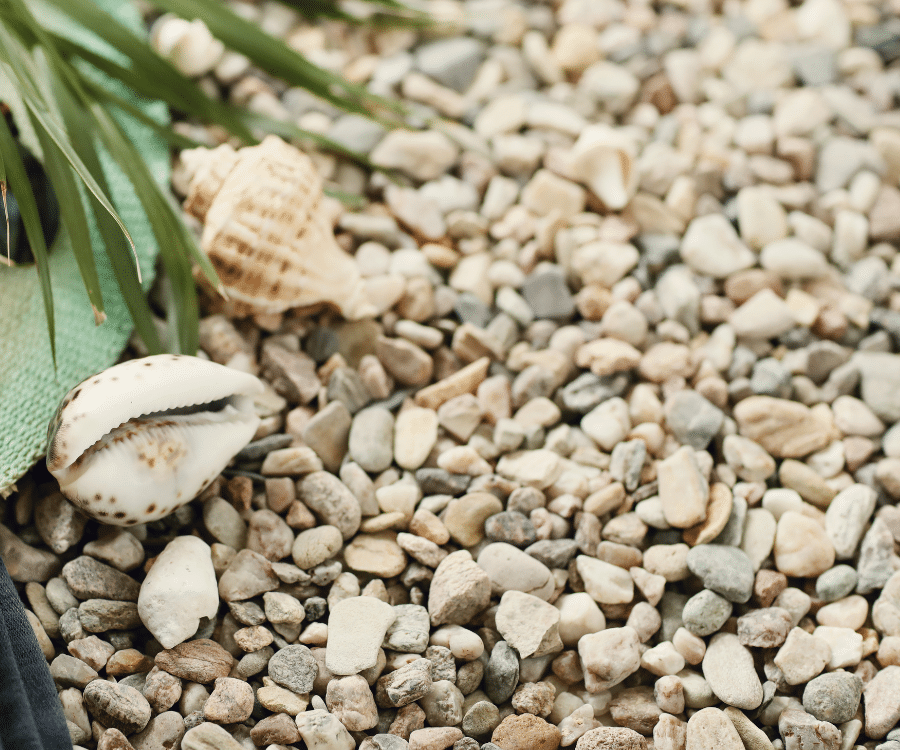
The modern shift toward high-efficiency, climate-conscious outdoor living has brought durable stone surfaces to the forefront of residential design. Homeowners are stepping away from high-maintenance, water-heavy lawns and embracing sophisticated alternatives. Using gravel landscaping allows you to build a stunning, structurally sound outdoor ecosystem that reduces weekend maintenance while enhancing curb appeal.
Choosing the right aggregate involves more than just selecting a color that matches your home. It requires an understanding of material stability, water management, and site preparation. This comprehensive guide breaks down exactly how to plan, execute, and maintain a professional-grade stone landscape.
Why Choose Stone Over Traditional Ground Covers
Replacing a standard turf grass lawn with a dedicated stone or gravel landscaping system can reduce seasonal outdoor maintenance requirements by up to 70%. Aggregate surfaces provide a fully permeable barrier that naturally manages heavy rainfall, eliminates the need for chemical fertilizers, and prevents common pests from nesting near your home’s foundation.
Unlike wood mulch, which decays, loses its color, and requires annual replacement, decorative stone is a one-time investment that remains stable for decades. In high-traffic areas or regions prone to extreme weather, the weight and durability of stone ensure your paths and social spaces stay immaculate year-round without washing away.
Selecting Your Materials: The Best Stone Options
A successful design balances aesthetics with functional performance. Mixing different material textures and sizes prevents the layout from looking flat or sterile.
Crushed Stone
This is the workhorse of structural landscaping. Made from fractured limestone or granite, crushed stone features sharp, angular edges that mechanically lock together when compacted. This natural interlocking capability creates an incredibly stable surface, making it the premier choice for patio foundations, fire pit seating surrounds, and areas that handle heavy foot traffic.
Pea Gravel
Measuring between 1/8 inch and 3/8 inch, pea gravel consists of small, smooth, rounded stones that are naturally worn down by water. Because the rounded shapes resist tight compaction, they create large voids that allow water to drain quickly. Its comfortable texture underfoot makes it a highly popular selection for garden walkways, play areas, and decorative borders.
Decomposed Granite
Often referred to as DG, this fine material contains tiny granite particles mixed with natural silt. When compacted, it creates a firm, semi-solid surface that resembles natural earth but offers much greater durability. It is ideal for rustic, Mediterranean-style pathways and acts as an excellent, budget-friendly option for expansive ground coverage.
River Rock
Larger and more substantial than pea gravel, river rocks range from 1 to 3 inches in diameter. Their smooth, polished surfaces and varied earth tones make them perfect visual anchors. Use them to construct dry creek beds, line high-flow drainage areas, or create bold borders around mature trees.
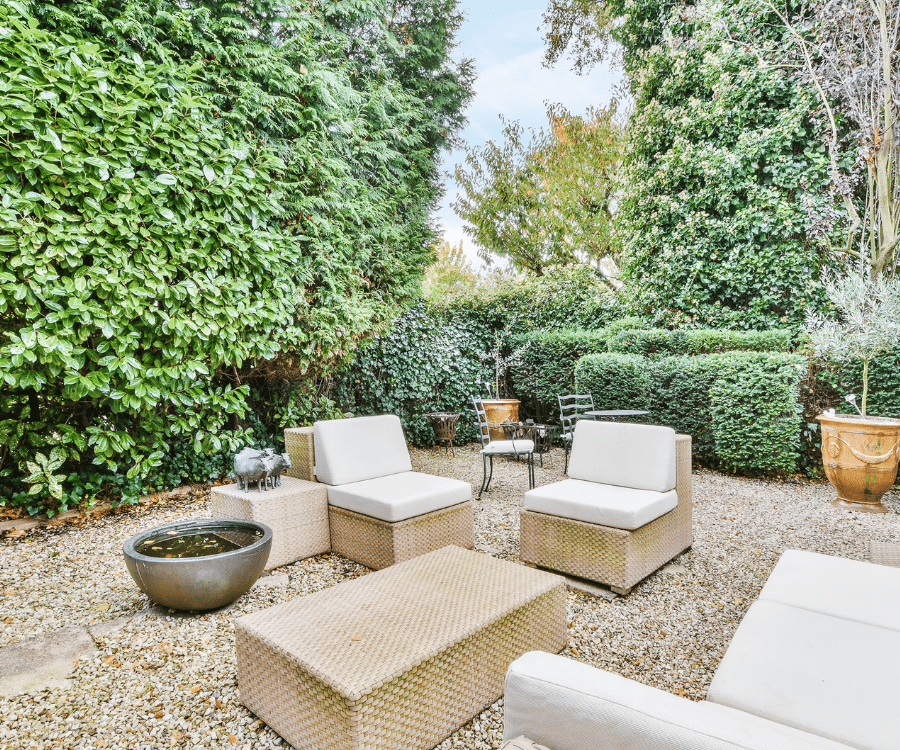
Step-by-Step Installation for Longevity
Building a stone feature that withstands the elements without sinking or attracting weeds requires rigorous ground preparation. Shifting or washing out is almost always caused by cutting corners during the initial excavation phase.
- Site Excavation and Grading: Clear away all existing turf, weeds, and root systems. Excavate the entire area to a consistent depth of 3 to 4 inches, ensuring the subgrade slopes slightly away from your home foundation to prevent water pooling.
- Subgrade Compaction: Run a mechanical plate compactor or heavy hand tamper over the bare soil. Compacting the earth prevents the stone from sinking into the loose dirt over time and minimizes shifting under heavy loads.
- Lay Heavy-Duty Landscape Fabric: Roll out premium, woven geotextile landscape fabric across the compacted zone, overlapping the seams by at least 6 inches. Secure the fabric with steel landscape staples to create a barrier that stops weeds while allowing water to pass through.
- Install Rigid Edging: Secure heavy-duty steel, aluminum, or thick composite edging along the perimeter of your project. This solid border keeps your aggregate contained and prevents it from spilling into your remaining lawn or garden beds.
- Spread and Level the Aggregate: Shovel your selected stone into the area, spreading it evenly to a depth of 2 to 3 inches. Use a rigid steel rake to level the surface, then lightly tamp or roll the stone to settle the pieces into place.
Maximizing Drainage with Smart Grading
One of the greatest advantages of stone surfaces is their inherent permeability. When heavy rain hits a solid concrete patio, it creates immediate surface runoff that can stress your property’s drainage systems. Stone features act as a natural sieve, filtering rainwater straight into the ground.
For low-lying spots or heavy runoff areas, incorporating a subsurface French drain wrapped in clean crushed stone ensures water is directed safely away from your home. This prevents structural erosion and eliminates standing pools that attract mosquitoes.
| Stone Material | Average Size | Primary Landscape Use | Drainage Capacity |
| Crushed Stone | 1/2″ to 1″ | Patios, base layers, high-traffic paths | Very Good |
| Pea Gravel | 1/8″ to 3/8″ | Walkways, seating zones, planters | Excellent |
| River Rock | 1″ to 3″ | Dry creek beds, drainage swales, borders | Good |
| Decomposed Granite | Fine to 1/4″ | Rustic paths, infill between pavers | Moderate |
Frequently Asked Questions
Can I install gravel directly over existing grass?
No, you should never pour stone directly over living turf. The grass will quickly decay underneath, causing the stone surface to sink unevenly. Additionally, aggressive weeds and grass will push through the rocks within weeks, ruining the clean look of your design.
How do I keep my decorative stone from shifting around?
Using angular crushed stone instead of perfectly round pebbles helps the pieces lock together, reducing movement. Additionally, installing a rigid perimeter edging and maintaining a consistent material depth of 2 to 3 inches will keep the aggregate securely in place.
What is the best way to clean leaves and debris out of gravel?
A standard leaf blower set to low speed easily clears light leaves, twigs, and organic debris without displacing heavier stones. For deeper cleanings, a light spray from a garden hose can wash away accumulated dust and dirt.
Does rock landscaping make the surrounding yard hotter?
Exposed stone surfaces absorb solar heat during the day and radiate it back out as the afternoon cools. To balance this effect, integrate drought-tolerant plants, shade trees, and deep green shrubs directly into your design to cool the local microclimate.
How deep should the aggregate be for a standard walkway?
For residential walkways and patios, a stone depth of 2 to 3 inches is ideal. If the layer is too thin, the underlying landscape fabric may show through. If it is deeper than 3 inches, walking across the surface will feel uncomfortably loose and spongy.
Transform Your Property with Expert Stone Solutions
Designing a pristine, long-lasting landscape requires the right materials, precise grading, and professional equipment. If you are ready to upgrade your property with a beautiful, low-maintenance stone feature, our team is here to help bring your vision to life. Contact us today at JBS Express Natural Stone & Landscape Material to discuss your project parameters, schedule a site assessment, or secure premium aggregate delivery for your next home transformation.