What Is The Cheapest Landscaping Stone?

What Is The Cheapest Landscaping Stone?

Landscaping Stone

Are you thinking about making your yard or garden look better without spending too much? You may be wondering, what is the cheapest landscaping stone you can use. Landscaping stones are a great way to improve your front yard, make walkways, or add texture to garden beds. The good news is you can do it without breaking the bank. In this blog, we will go through the cheapest landscaping rocks and other options so you can choose the right stone for your space.


Best Landscape Rock Options for Your Yard

What is the cheapest landscaping stone? There are many types of landscaping stones that look nice and are affordable. Choosing the right one depends on your type of landscaping project, the look you want, and your budget.


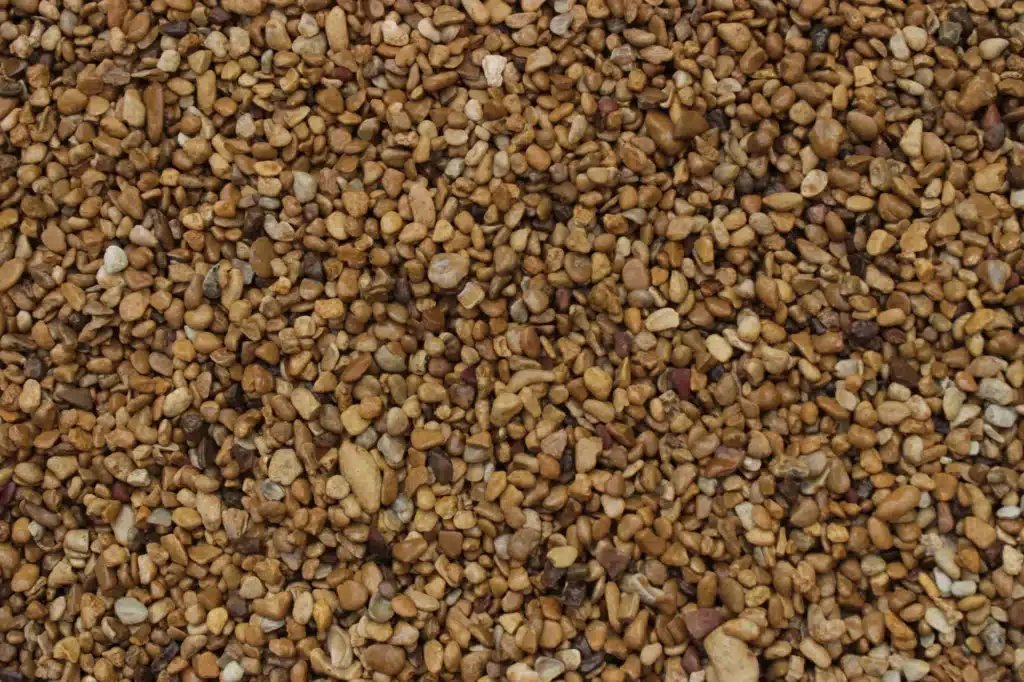
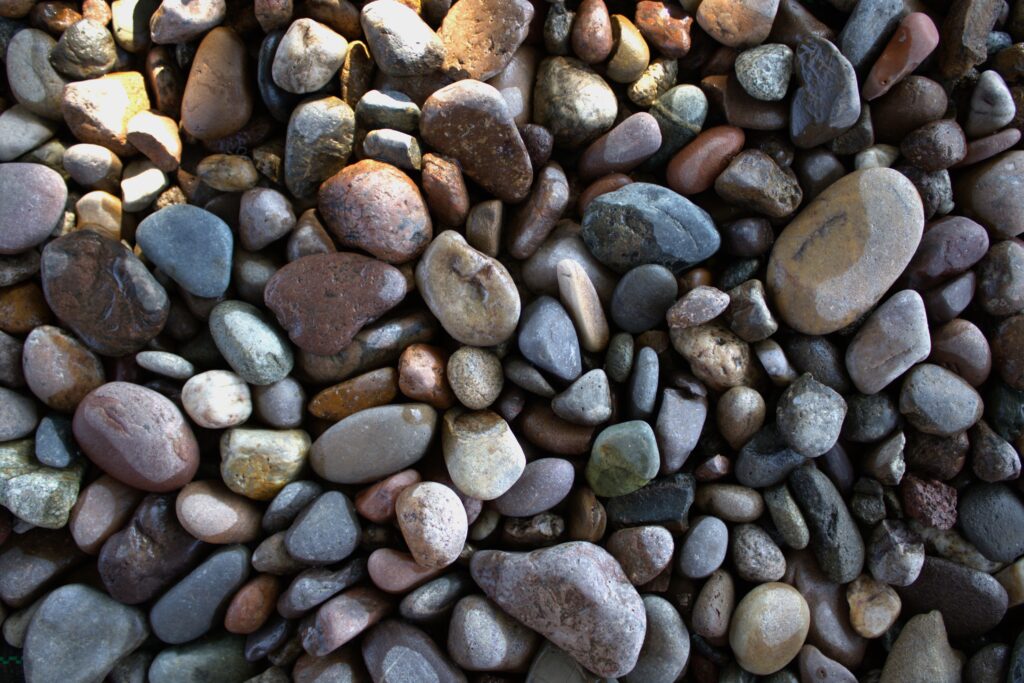
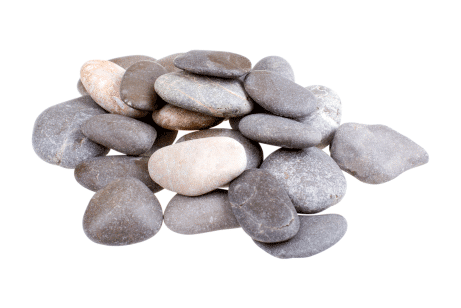
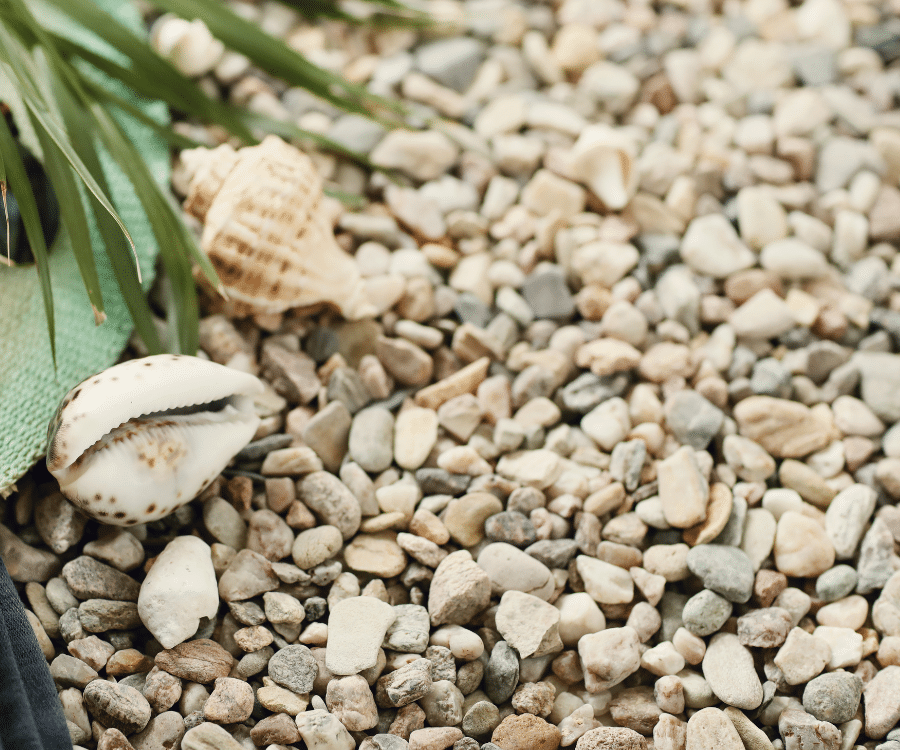
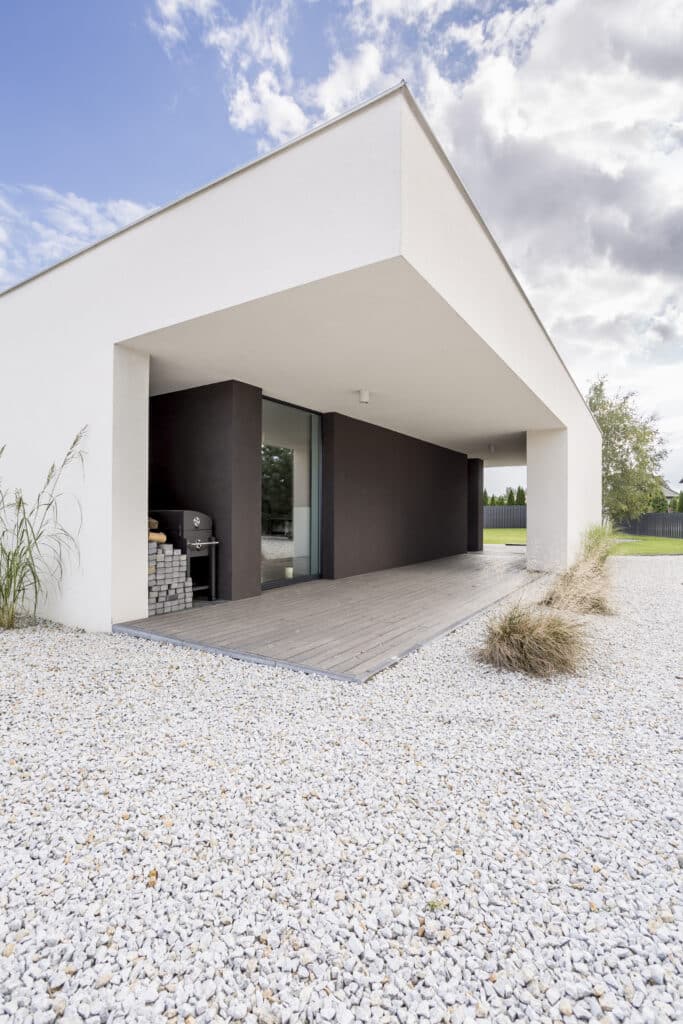
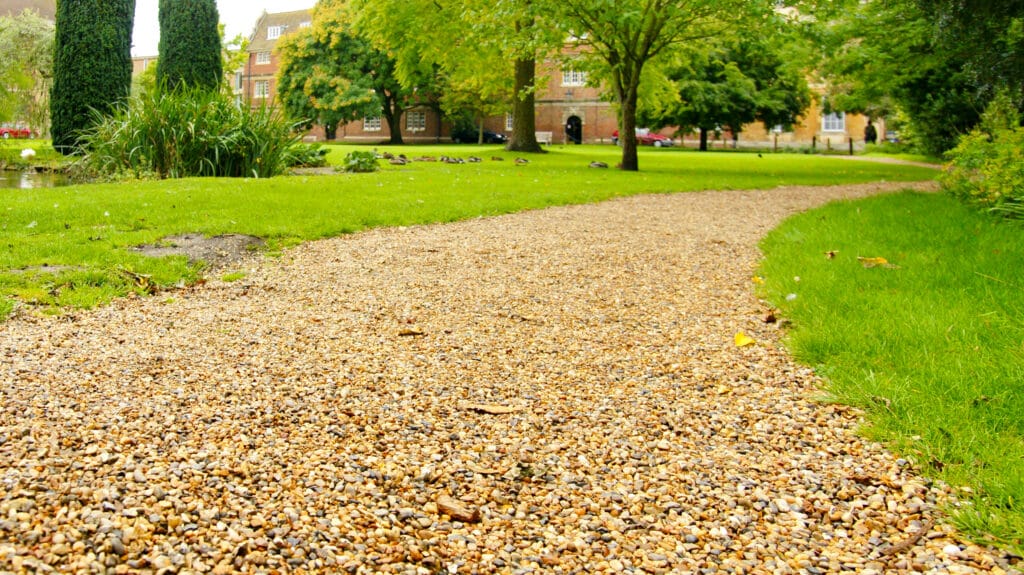
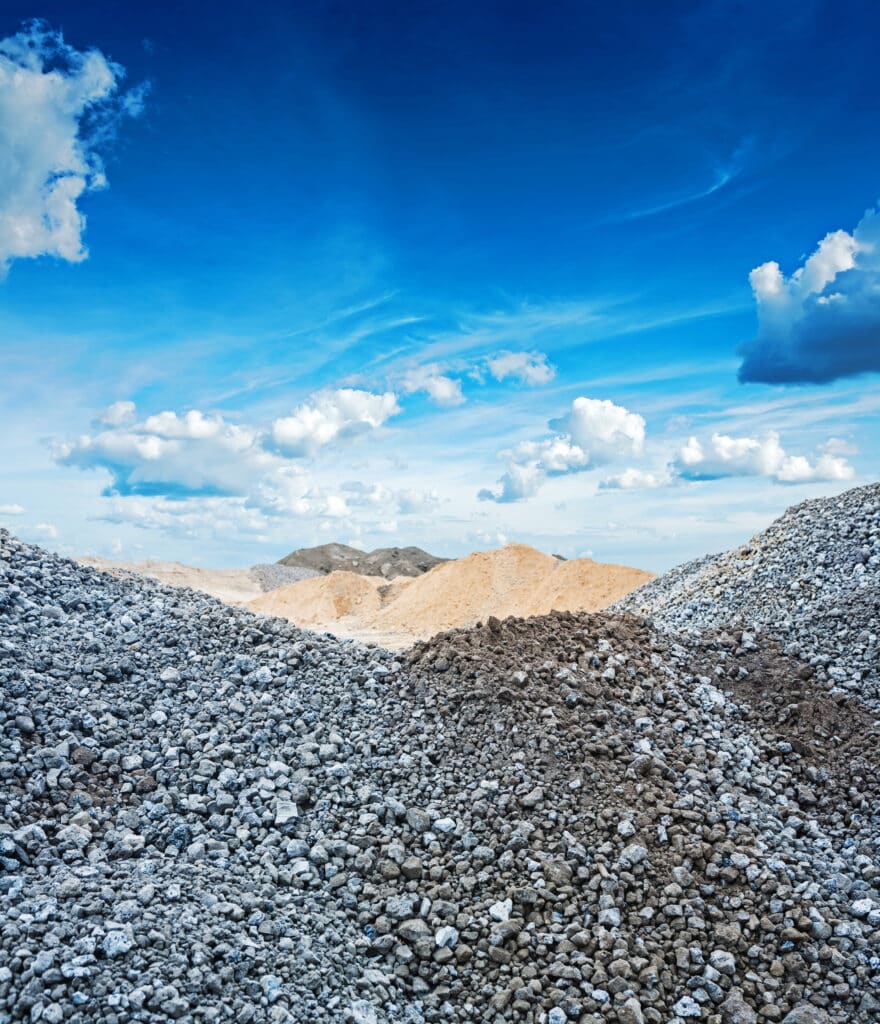
Pea gravel is one of the cheapest landscaping rocks you can use. These small, smooth stones come in different colors and sizes. They are perfect for garden beds, walkways, or stepping stones.

Pea Gravel

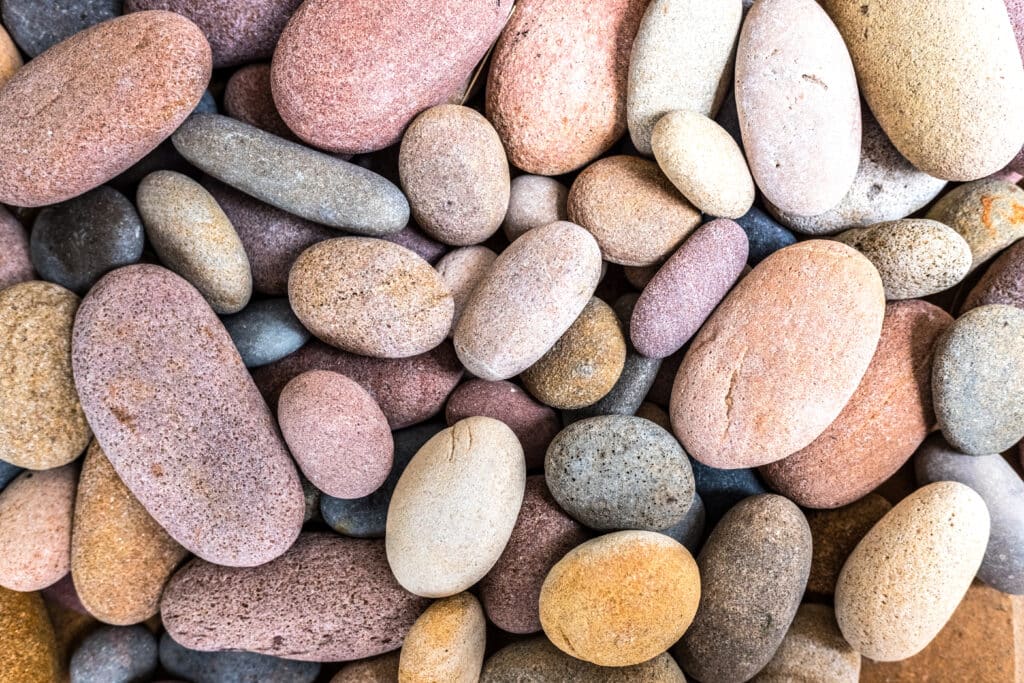
Pea gravel is sold per cubic yard, and buying in bulk lowers the price even more. It helps reduce soil moisture, keeps weeds from growing, and adds texture to your landscape design. It is soft and natural-looking, making it a popular choice for front yard landscaping.

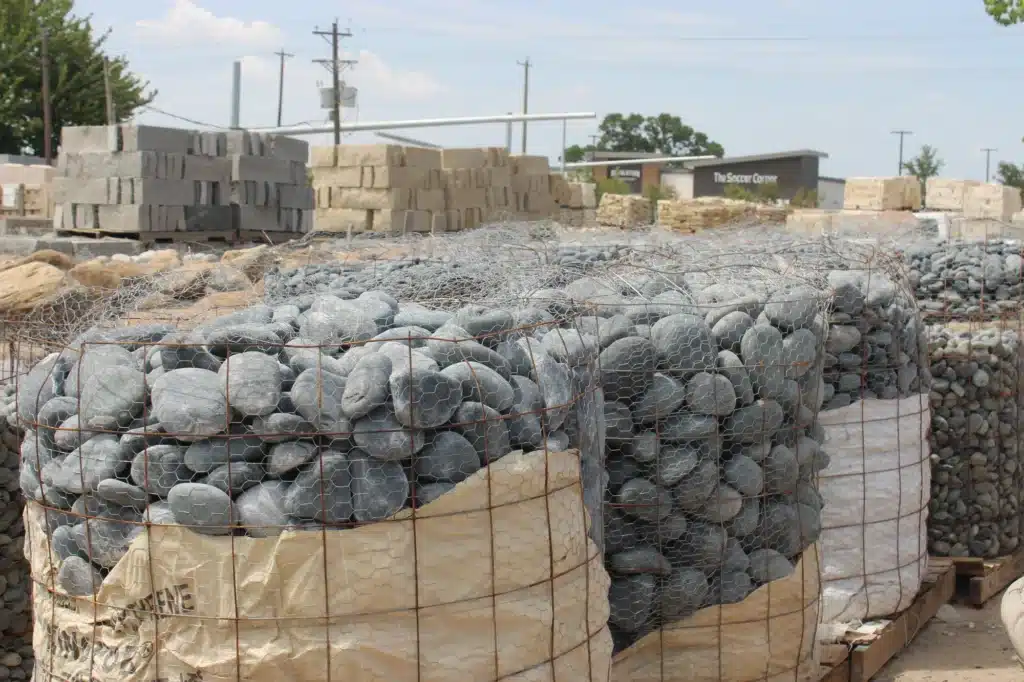
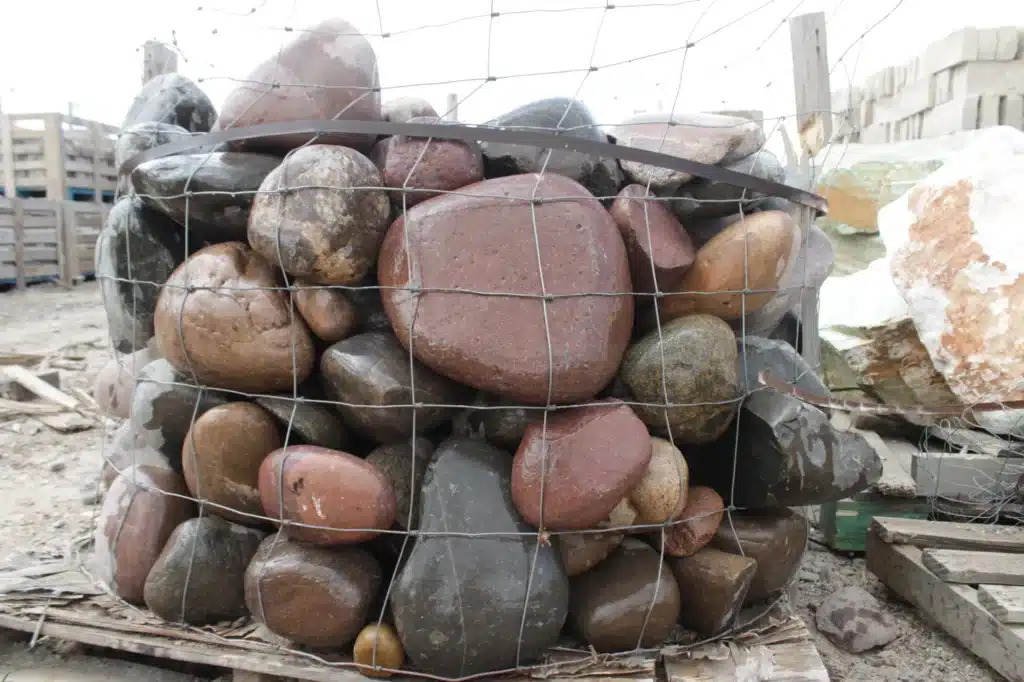
River Rocks

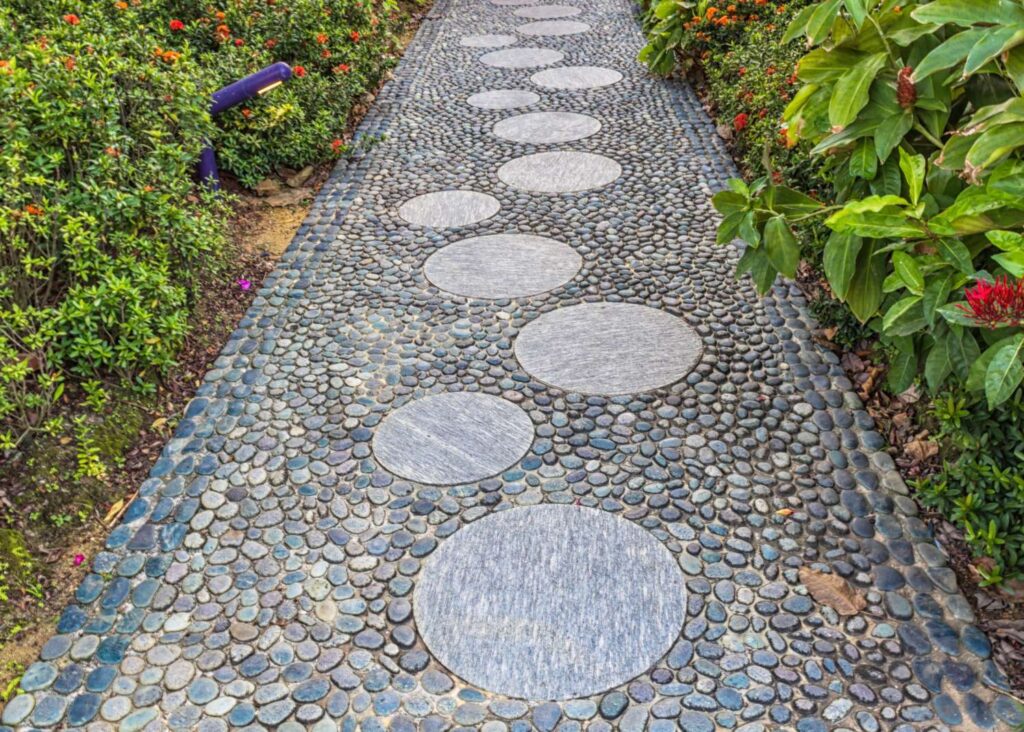
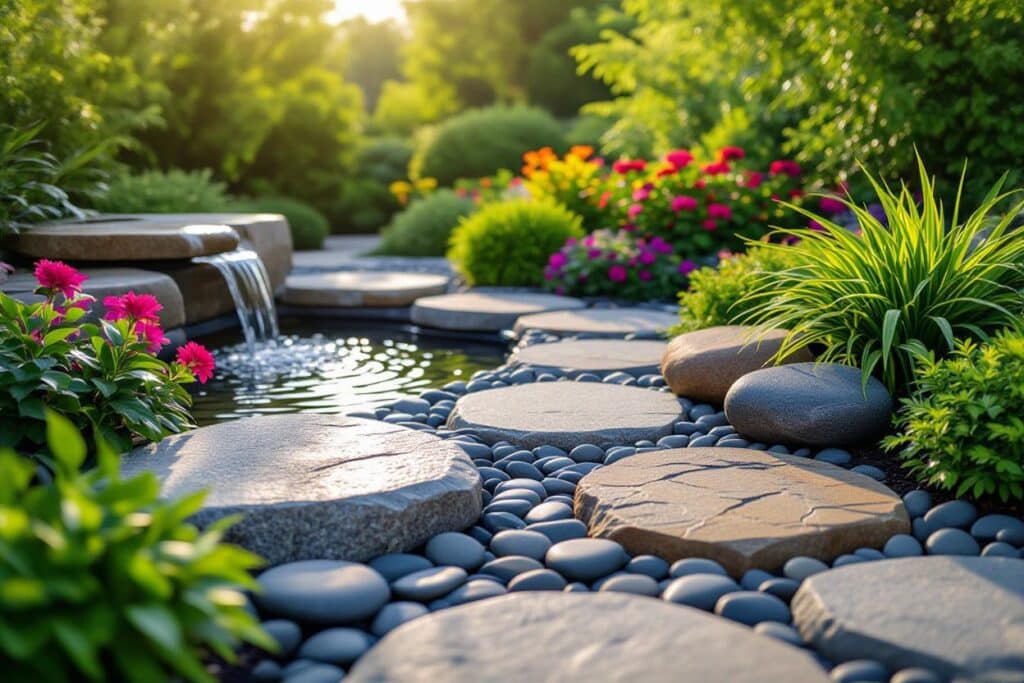
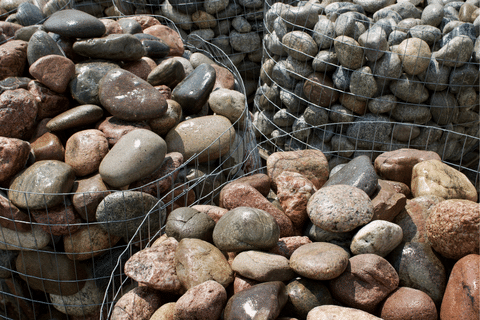
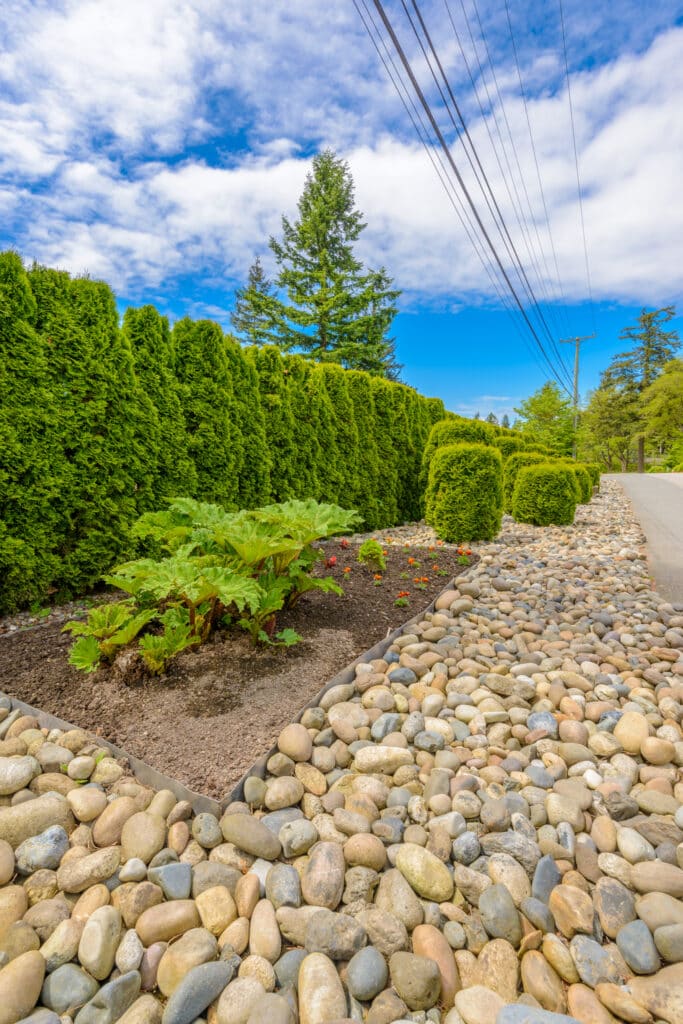
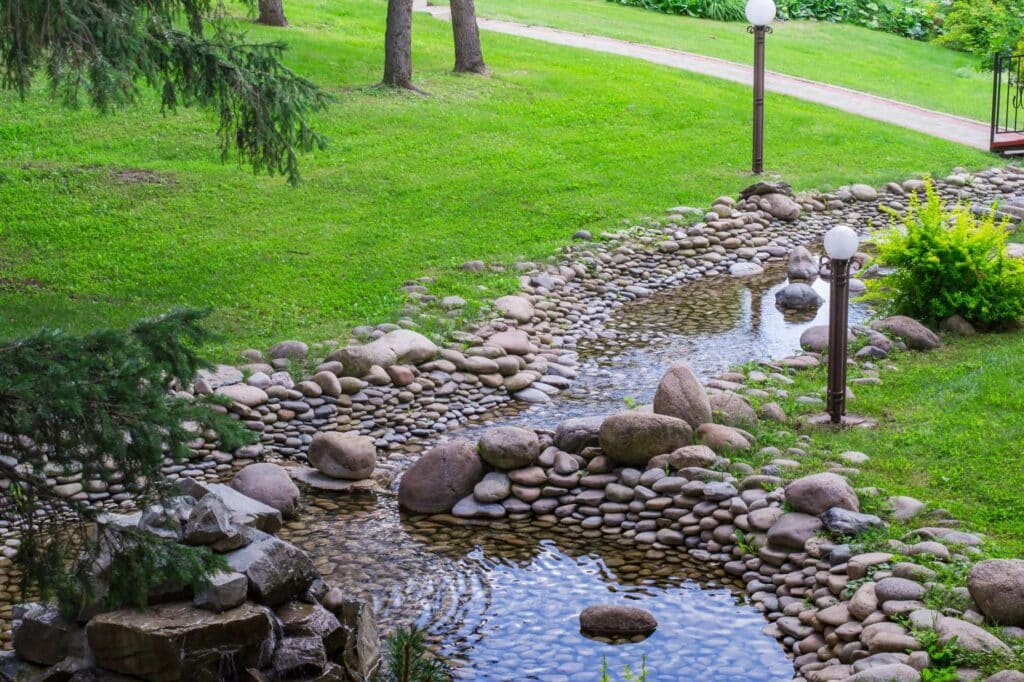
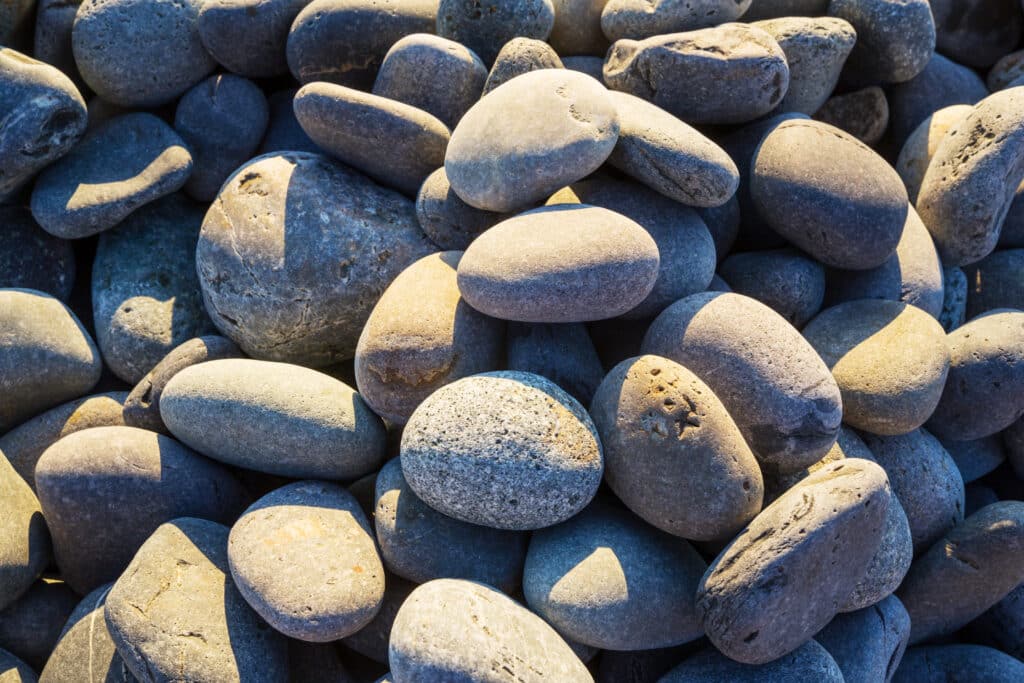
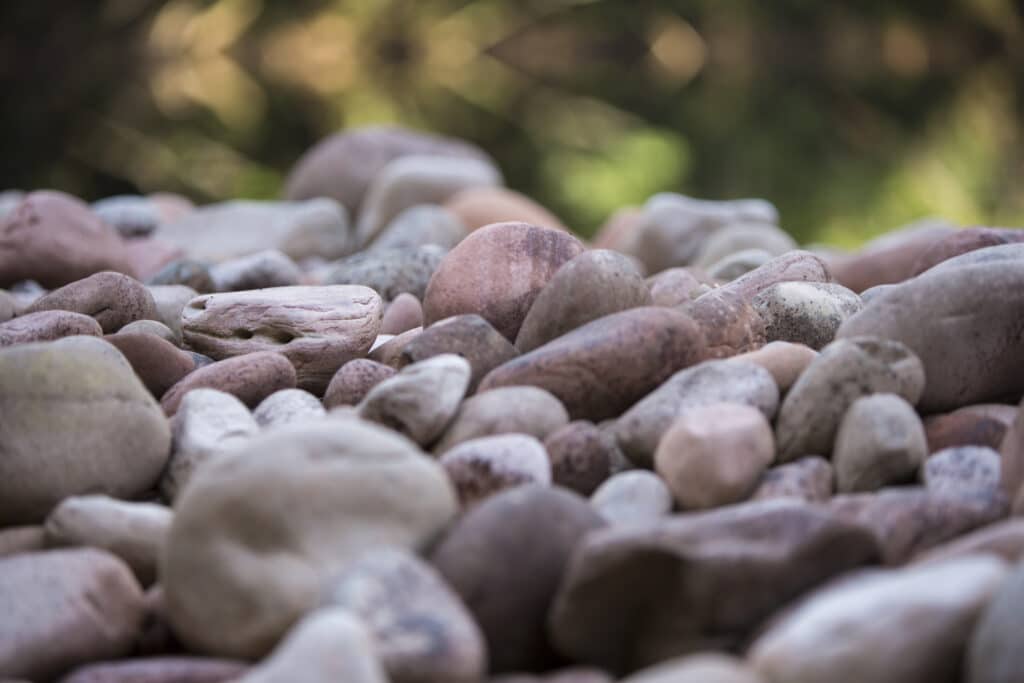
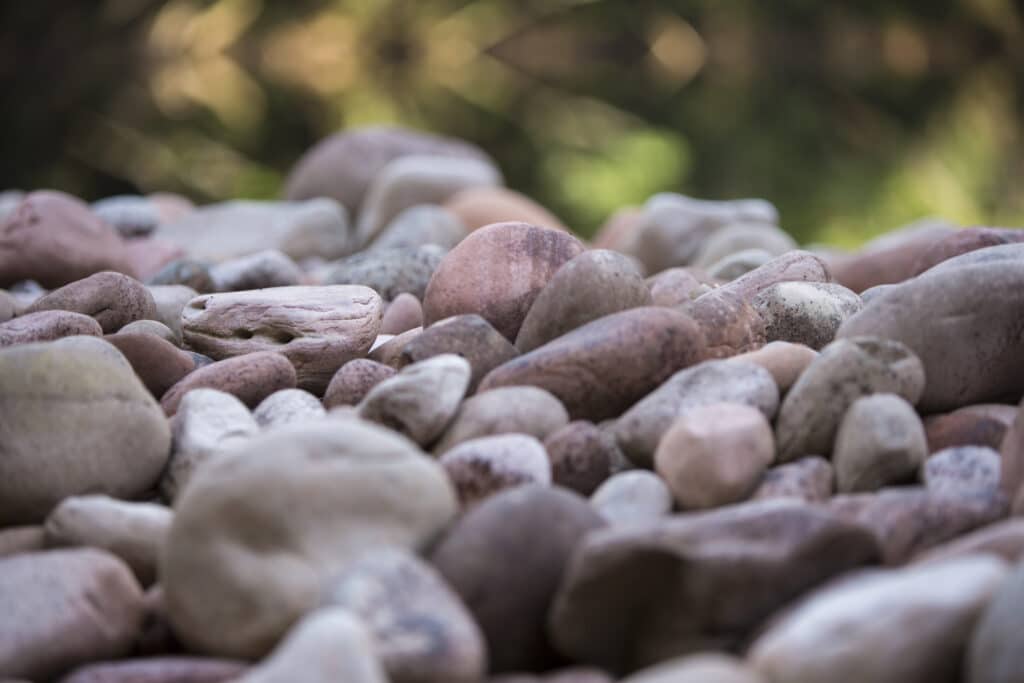
River rocks are larger, smooth stones that are used in landscaping for decoration and function. They can handle wear and tear, come in shades of gray, brown, or mixed colors, and are ideal for water features, dry riverbeds, or borders around plants and trees. River rocks give a natural, organic look to any garden or yard.

Crushed Granite

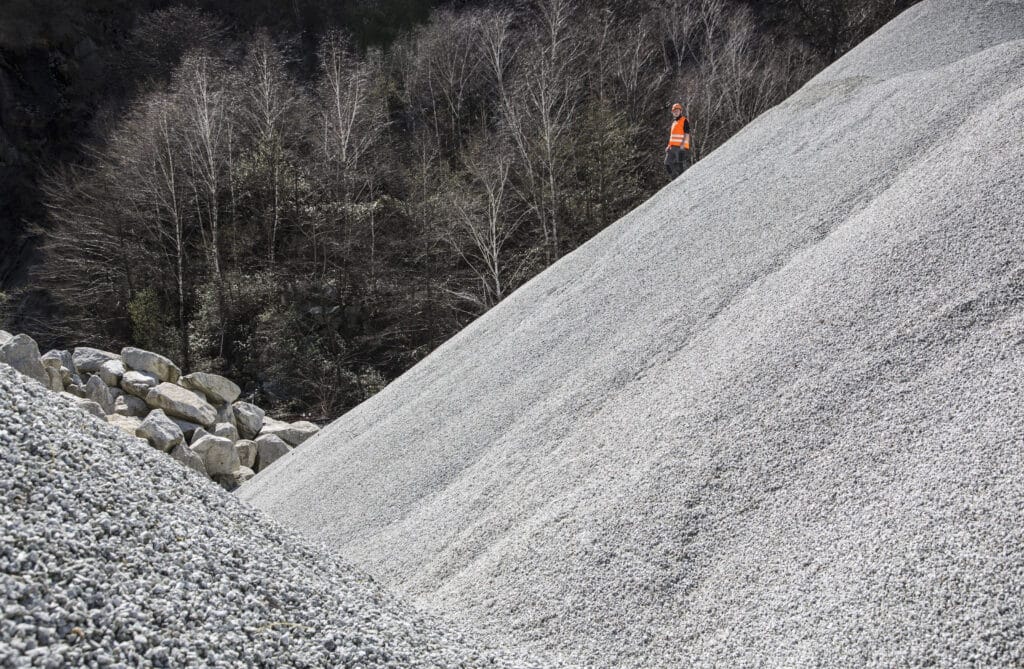
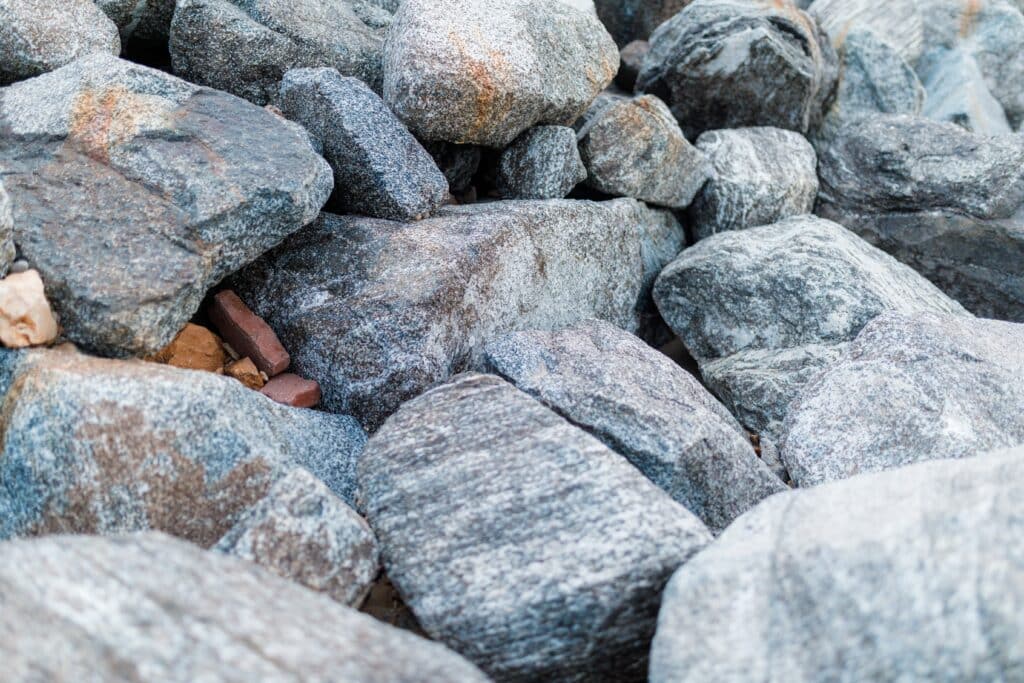
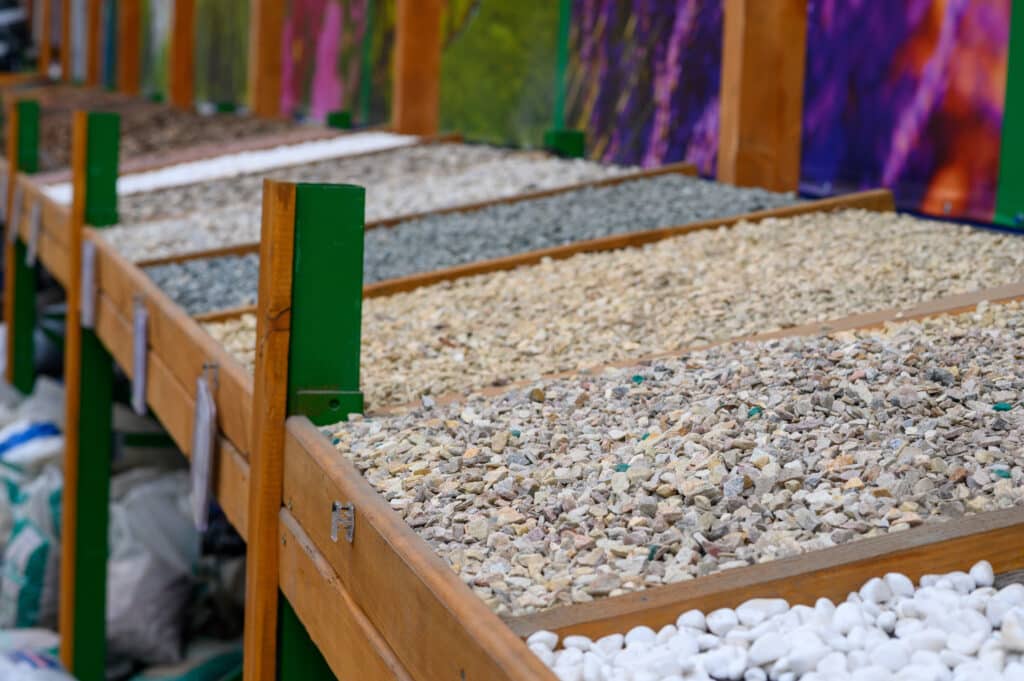
Crushed granite is a small jagged stone that works well for pathways, driveways, or mulch. It is affordable, sold per ton or cubic yard, and provides good drainage while preventing soil erosion. Crushed granite is versatile and works well in front yards, garden beds, or walkways.

Lava Rock

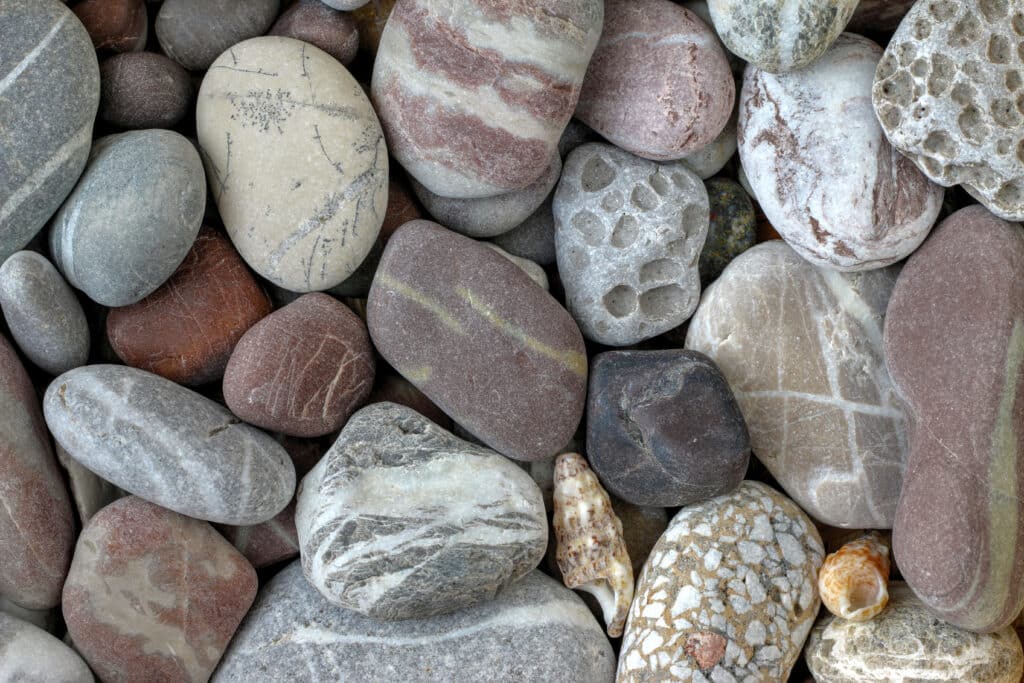
Lava rock is a volcanic stone that is lightweight and has a unique red or black color. It is sold per cubic yard or by bag and adds contrast to gardens or outdoor spaces. Lava rock also helps reduce soil moisture and prevent weeds, making it both decorative and practical.


What Is The Cheapest Landscaping Stone?

If you compare these options by average cost per cubic yard:

    • Pea Gravel: $30–$50
    • Crushed Granite: $40–$60
    • River Rock: $60–$80
    • Lava Rock: $50–$70

From this list, pea gravel is the cheapest landscaping stone. It is easy to use, looks good, and works for many types of landscaping projects.


How to Use Landscaping Stones

Here are some ways to use cheap landscaping rocks in your yard or garden:

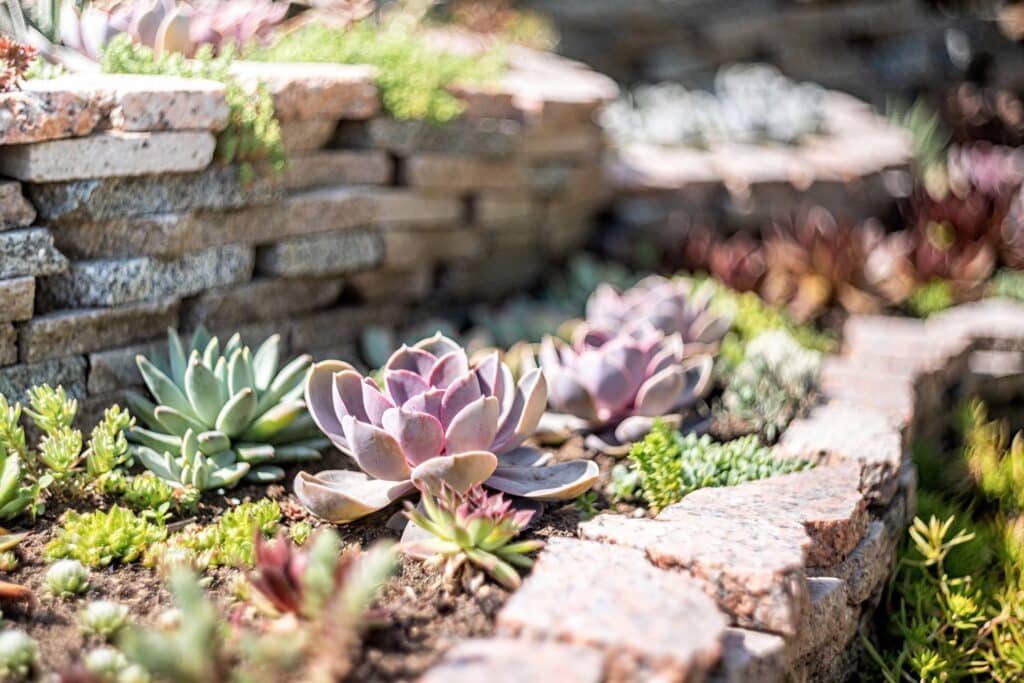
    • Garden beds: Line the edges or cover the soil to reduce weeds and moisture.
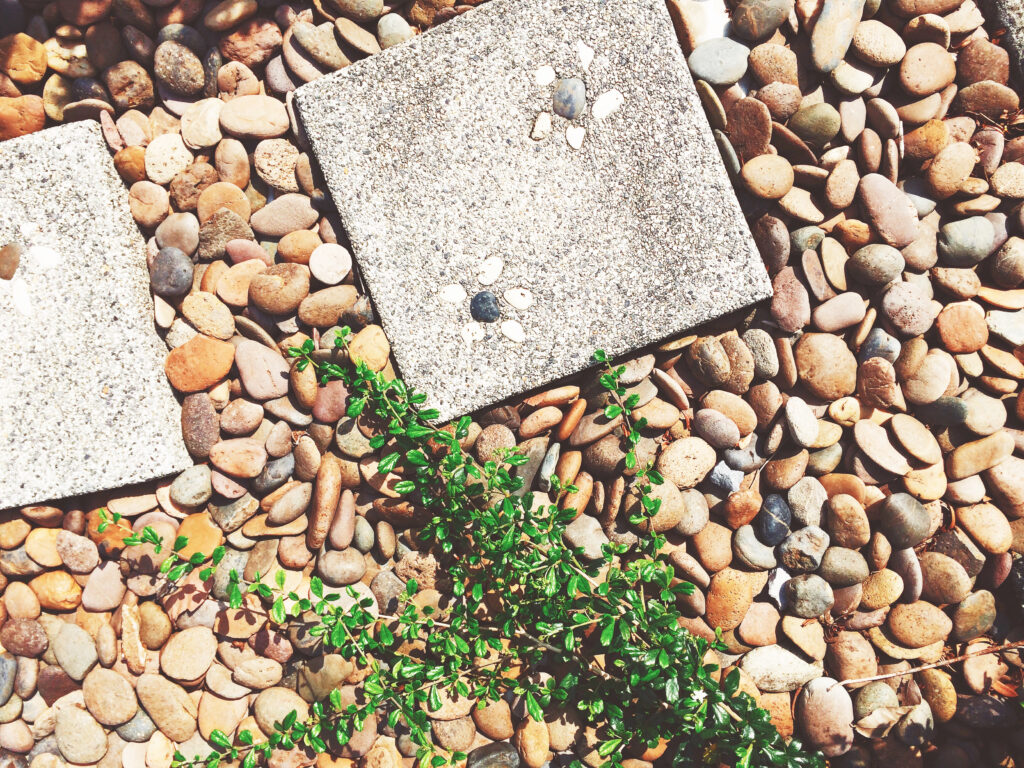
    • Walkways: Use crushed granite or pea gravel for paths.
    • Water features: Add river rocks or lava rock around ponds or fountains.
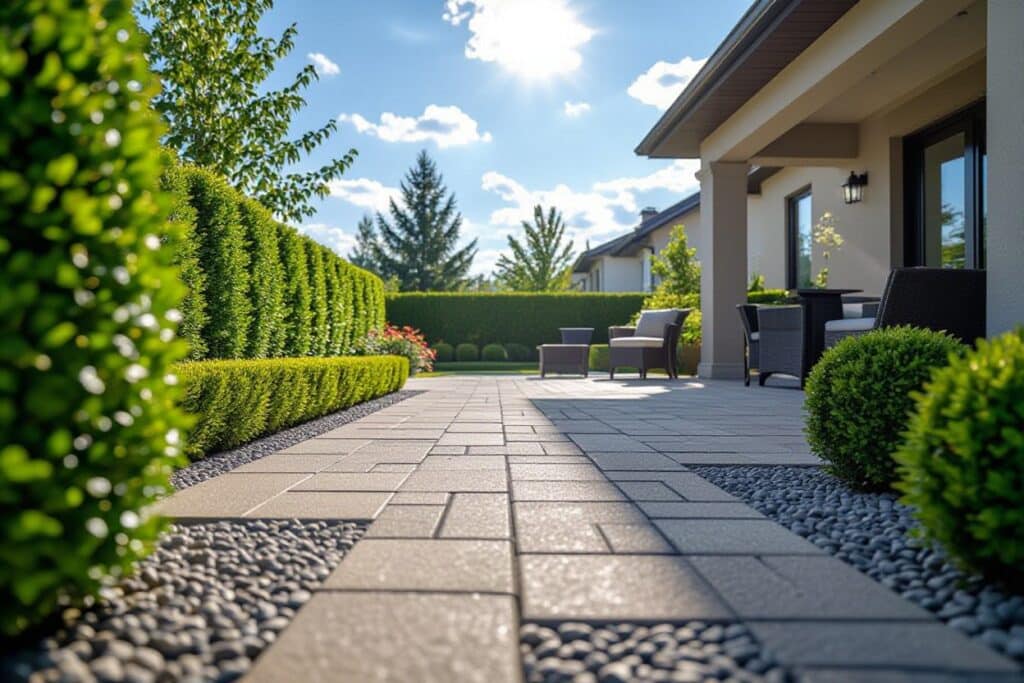
    • Front yard landscaping: Mix different stones for an attractive design.
    • Driveway edging: Use river rock or crushed granite to make clean borders.

Landscaping stones not only look good but also help with soil moisture, erosion, and low maintenance.

Install a Landscape stone

JBS Express: Your Best Choice for Landscaping Stones

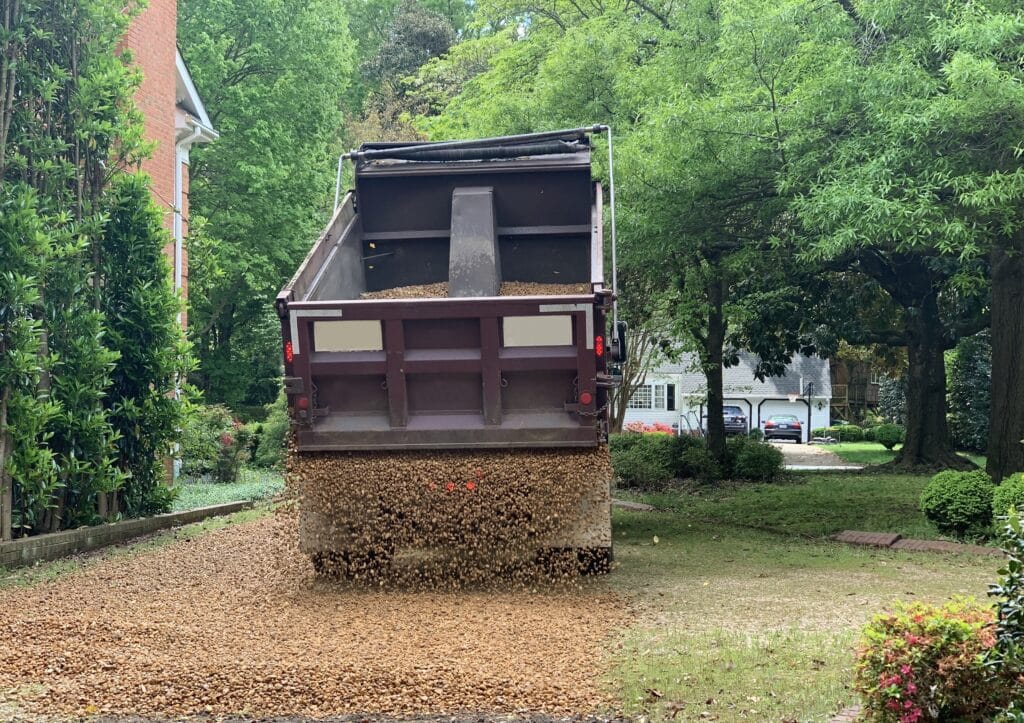
If you want the right stones for your landscaping project, JBS Express in McKinney is a great supplier. They offer a wide selection, including pea gravel, river rock, crushed granite, lava rock, and other landscaping stones. Their cheap landscaping rocks are affordable and delivered straight to your front yard or garden, which saves time and effort.


JBS Express also provides expert advice, helping you pick the right stones for your yard or garden. Buying in bulk is easy, which saves you money if you need a large amount of rock. With their decorative rocks and landscaping stones in various sizes and colors, you can make your yard look polished and stylish without spending too much.


Extra Tips to Save Money on Landscaping Stones

To get the most out of your landscaping project, you can:

    • Plan your garden or yard first and measure the area.
    • Buy cheap landscaping rocks in bulk.
    • Combine different types of landscaping stones for variety and texture.
    • Use landscape fabric under the stones to reduce weeds and moisture problems.
    • Consider local or native rocks to save on shipping costs.

These tips will help you create a beautiful outdoor space with the cheapest landscaping rocks without spending too much money.


Why Pea Gravel Stands Out

When thinking about what is the cheapest landscaping stone, pea gravel comes out on top. It is inexpensive, easy to use, and helps control soil moisture while stopping weeds. Pea gravel also adds natural texture and soft colors to any garden or yard. Other options, such as river rock, crushed granite, and lava rock, are good too, but pea gravel is perfect if your main goal is affordability.


Final Thoughts

Landscaping your yard or garden does not have to be expensive. By choosing the right stones, you can make a big impact without breaking the bank. Pea gravel is the cheapest landscaping stone and works for many types of landscaping projects. River rock, crushed granite, and lava rock add style and variety without costing too much.


Use landscaping stones in garden beds, walkways, rock gardens, or front yard projects to add texture, color, and style. Buying from JBS Express makes it easy to get the right stones in the right amounts for your yard or garden. Their cheap landscaping rocks and decorative stones help you create a beautiful landscape that lasts.


FAQs

Why is pea gravel cheaper than other stones?

Pea gravel is easy to find and does not need much processing. Buying it in bulk also makes it cheaper.

Can I use pea gravel for walkways or driveways?

Yes, pea gravel works well for walkways, garden paths, and light‑traffic driveways. It drains water well and looks nice.

Are there other cheap landscaping stones?

Yes. Crushed granite, river rock, and lava rock can also be affordable depending on size and amount.

What affects the cost of landscaping stones?

The type, size, color, amount, and how far you buy from a supplier affect the price.

How can I save money on landscaping stones?

Buy in bulk, plan your yard size first, and use simple stones like pea gravel.


By choosing wisely, you can have a stunning outdoor space that looks great, is low maintenance, and stays within your budget. So next time you wonder what is the cheapest landscaping stone, you know pea gravel is the best choice. Call us today at (469) 972-8818.


Also read:
Decorative Landscaping Rock: JBS Express’ Ideas & Landscape Design

15 Stunning Gravel for Landscaping Ideas to Try in 2025

Best Landscaping Stone Maintenance Tips for Pavers and Natural Stone Patio

What Is Nutrient-Rich Topsoil and Why Does Your Garden Need It?

What Is Nutrient-Rich Topsoil and Why Does Your Garden Need It?

Topsoil


At JBS Express, we believe that one of the most essential foundations for a thriving garden or landscape is the caliber of the soil you start with. When you use nutrient-rich topsoil, you give plants a strong base of nutrients, good drainage, and healthy structure. In this article, you’ll learn what organic topsoil is, how it helps your garden, how to choose the right type (including screened topsoil or mixed topsoil), and why we are the best choice.


Understanding Topsoil – The Uppermost Layer That Matters

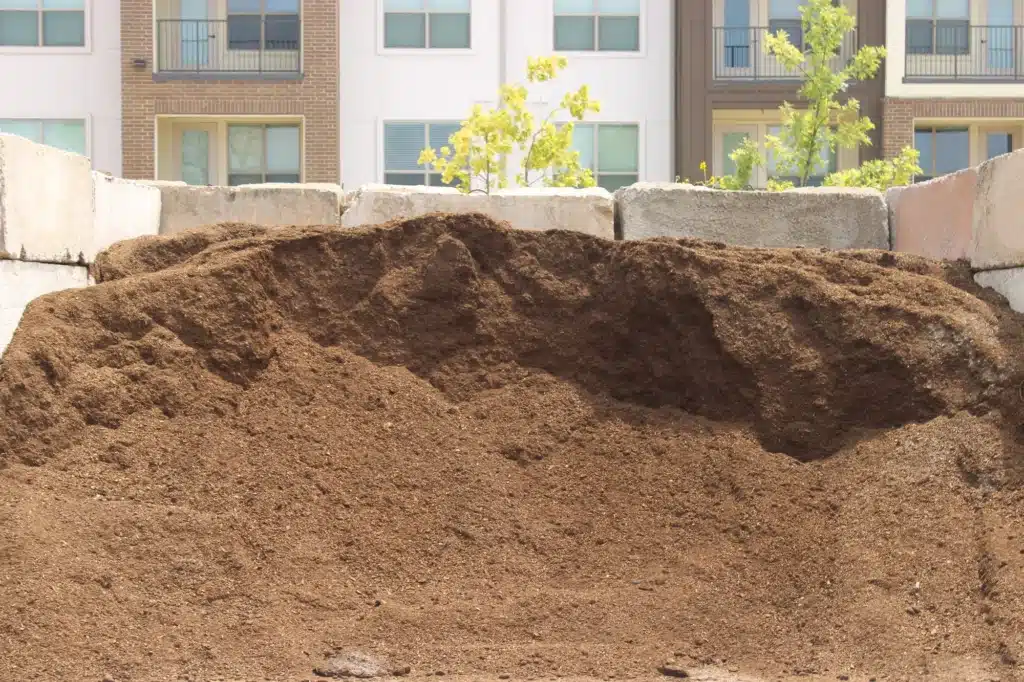
Topsoil pertains to the upper layer of soil which has the majority of plant roots as well as organic materials and nutrients. This layer is critical for healthy plant roots and for a vibrant garden.

What Makes Topsoil “Nutrient-Rich”?

“Nutrient-rich topsoil” or “enriched topsoil” means the soil is rich in organic matter, essential nutrients (nitrogen, phosphorus, potassium), and beneficial structure that supports root growth.

When you use such soil:

  • The soil structure is better — roots can move and breathe.
  • Water retention and drainage balance improve, so plants don’t drown or dry out.
  • Microbial activity (worms, bacteria) kicks in, helping nutrients cycle and feed plants.

Why That Matters for Your Garden

If you have poor soil or your existing soil is depleted, plants may struggle, become weak, or be more vulnerable to pests. Using fertile topsoil gives your garden a jump start. For example:

  • Better soil fertility means plants get the nutrients they need for healthy growth.
  • Good soil structure means roots spread, your raised bed or flower bed works well, and drainage improves.
  • The soil ecosystem improves: more organic matter, better water retention, improved soil texture, and a more sustainable garden.


Types of Topsoil & How to Choose the Right One

There are different types of topsoil and soil mixes. Knowing what you’re buying helps you pick the right material for your lawn, garden beds, or landscaping.

Regular Topsoil vs Screened or Premium Soil

  • Regular topsoil may just be the upper layer of dirt, not necessarily enriched or screened. It may contain rocks, debris, and uneven texture.
  • Screened topsoil, enriched topsoil, or nutrient-rich topsoil is processed to remove large rocks/roots, is likely blended with compost or organic material, and offers better structure, nutrient content, drainage, etc.
  • For example, one source notes: “screened topsoil is designed to foster optimal plant growth with its nutrient-rich composition, excellent water management, pH balance, and absence of harmful elements.”

Mixed Topsoil & Other Variations

You might see terms like mixed topsoil, garden soil, loam soil, or bulk soil. Here’s a quick breakdown:

  • Mixed topsoil: A blend of topsoil with other materials (compost, sand, organic matter) to improve texture or drainage.
  • Garden soil: Often designed for flower beds or container gardening; may have added compost and materials.
  • Premium compost / compost-enriched soil: Mainly organic material used as an amendment rather than the main layer of soil.
  • Bulk soil delivery: Buying soil in large quantities (yards) to cover large areas (lawns, landscape beds).

When you’re shopping for topsoil, aim for one that says “nutrient-rich”, “screened topsoil”, “rich in organic matter”, or “premium topsoil”. These phrases signal higher quality.

Where to Use It

Here are common uses for quality topsoil:

  • Creating a new garden bed or raised bed: Use enriched soil to fill the upper layer.
  • Improving existing soil that may be depleted or compacted.
  • Lawn repair or grading: Spread a thin layer of quality topsoil over patchy or uneven lawn areas.
  • Landscape projects: Around shrubs, flower beds, container plants (though in pots, you may need potting mix instead).
  • Mixing with compost for specific plants or garden beds needing extra nutrients.


How Your Garden Benefits from Nutrient-Rich Topsoil

Let’s dive into tangible benefits. When you use quality topsoil, your garden will gain multiple advantages:

Better Soil Quality and Structure

Quality topsoil improves soil texture (loam with a good sand/silt/clay balance), which aids root growth, water flow, and plant stability.

It also means less compaction and better aeration — essential for healthy plants.

Enhanced Plant Growth & Nutrient Access

Plants need essential nutrients (nitrogen, phosphorus, potassium, plus micronutrients) and organic matter to use them. Nutrient-rich topsoil provides access to those.

With good nutrients and structure:

  • Plant roots spread easily.
  • Water and air reach roots.
  • Plants can grow stronger, healthier, and more resilient.

Improved Water Retention and Drainage

Good soil holds enough water and drains excess. That balance is critical. Rich garden soil helps with that.

So in Texas — where the weather can vary — your garden is more resilient when the soil performs well.

Less Erosion, Healthier Soil Ecosystem

A stable, well-structured soil resists erosion. Loose or low-quality soil may wash away nutrients or the topsoil layer.

Also, when organic matter is good, microbes, worms, and beneficial soil life thrive, improving fertility and sustainability.


Why Choose JBS Express for Your Soil & Landscaping Supplies

If you’re looking for a trustworthy local supplier of nutrient‐rich topsoil, mixed topsoil, and other landscaping materials in Texas, here’s why JBS Express is a strong choice:

  • We offer topsoil, compost, bedding soil, masonry sand, screened cushion sand — all useful for lawns, gardens, landscape beds, and raised beds.
  • We serve the North Texas region: McKinney, Frisco, Plano, Allen, Richardson, Fort Worth, Denton, and Irving.
  • We focus on quality — our healthy topsoil is sampled and screened to remove debris and ensure good performance.
  • We can deliver bulk loads or smaller quantities, helping you improve your soil, enrich garden beds, or complete a landscape project with the right soil structure, nutrient content, and organic matter.
  • We understand local conditions in Texas — soil, climate, drainage, and the right mix for lawns, gardens, and raised beds here.

When you’re ready to upgrade your landscape with premium garden soil, nutrient-dense soil, or top-quality topsoil mix, we’re here to help.


How to Use Top-Quality Topsoil Mix in Your Landscape

Here’s how you can apply it in real-world settings for your garden or lawn:

For Garden Beds or Raised Beds

  • Clear the area of weeds and debris.
  • Loosen the existing soil a bit.
  • Spread a layer (for example, 2–3 inches) of nutrient-rich topsoil over the area.
  • Mix or till gently into the top few inches of existing soil so roots can move between both layers.
  • Add mulch or compost on top to protect and feed the soil.

For Lawn Repair or Renewal

  • For patchy or uneven lawn spots, apply a thin layer (1–2 inches) of nutrient-rich topsoil (or mixed topsoil) over the area.
  • Even out the surface, then seed or sod as needed.
  • Water gently and keep the surface moist until roots establish.

For New Landscape Projects or Containers

  • For new garden beds or raised bed installation, fill the bed with enriched soil or a mix of nutrient-rich topsoil, compost, and mulch.
  • For containers or pots: note that topsoil alone may not drain well in containers — consider a potting mix or garden soil blend designed for containers.

Matching Soil to Plant Needs

  • Heavy clay soil? Enrich with nutrient-rich topsoil to improve drainage and root growth.
  • Sandy soil? Use soil rich in organic matter so it holds water and nutrients better.
  • Looking to landscape with decorative gravel, gravel products or landscaping gravel? Good soil beneath that rock or gravel layer still matters; ensure the base has a nutrient-rich layer to support shrubs or plants you place there, and help with drainage under landscaping gravel or decorative gravel.


Summary

Your garden or landscape’s success begins beneath the surface — with the right nutrient-rich topsoil. At JBS Express, we supply high-quality topsoil and soil mixes to homeowners, gardeners, and landscapers in North Texas. Whether you need mixed topsoil, premium screened topsoil, or other landscaping supplies, we’ve got you covered.

By choosing enriched topsoil with good organic matter and structure, you give your plants and lawn the best chance for strong roots, healthy growth, proper drainage, and reliable outcomes. When supplemented with good compost, mulch, proper installation, and care, your garden will thrive.


FAQs

Which type of soil is most nutrient rich?

Soil that has a good amount of organic matter (compost, humus) and a balanced texture (loam) tends to be the most nutrient-rich. Premium screened and enriched garden topsoil will usually outperform plain fill dirt or subsoil in nutrient content.

How do you get nutrient rich soil?

You can improve your soil by adding compost, mixing in enriched topsoil, ensuring good drainage and aeration, and keeping the soil ecosystem healthy with microbes and earthworms. Over time, you build up organic matter and soil fertility.

Is top soil nutrient rich?

Not always. “Topsoil” simply refers to the upper soil layer; whether it is nutrient rich depends on how it was managed, whether it contains organic matter, and whether it has been screened and processed.

Is healthy nutrient rich soil a renewable or nonrenewable resource?

Soil is renewable in the sense that, with good practices, you can build its fertility and organic matter, but it takes time to restore. It can degrade quickly if mismanaged, so treating it well is essential.

Where is nutrient rich soil found?

Naturally, nutrient-rich soil is found in areas with long accumulation of organic matter — for example, forest floors or undisturbed areas. In landscaping or gardens, you’ll often see them when the topsoil is blended with compost or organic amendments. Also, commercially blended enriched topsoil is available.

Why is nutrient rich soil important?

Because plants get their fuel from the nutrients and the structure of the soil. Without it, plants may grow weak, have shallow roots, struggle with water or nutrient uptake, and be more susceptible to stress. A healthy garden starts with good soil.

What makes nutrient-rich topsoil ideal for growing healthy plants?

Nutrient-rich topsoil is the uppermost layer of soil that’s rich in organic material, providing critical nutrients and organic matter that enhance soil health and create the ideal environment for plants. It helps maintain soil moisture and ensures nutrients are readily available to plants, promoting healthy plant growth in both lawns and vegetable gardens.

Should I use screened topsoil or unscreened topsoil in my garden?

It’s best to use screened topsoil in your garden because the soil is screened to remove large debris, making it smoother and easier to spread. Screened topsoil enhances soil structure, improves drainage, and provides a consistent texture—perfect for new plants, grading a lawn, or enhancing the potential of screened topsoil to support the health of your plants.


Ready to upgrade your soil foundation? Reach out to JBS Express today for quality nutrient-rich topsoil, mixed topsoil, or bulk soil delivery. We also offer gravel products like gravel for landscaping and decorative gravel—perfect for finishing your outdoor space. 


Click or call now to schedule your topsoil delivery, learn about our product options, or visit our yard to pick up what you need. Let’s get your garden growing strong!


Also Read:

Sustainable Landscaping Rocks: How to Build the Best Eco-Friendly Landscape


15 Stunning Gravel for Landscaping Ideas to Try in 2025

15 Stunning Gravel for Landscaping Ideas to Try in 2025

boulders 10 458963 8

 If you’re a homeowner, gardener, DIYer, or landscape artist on the hunt for innovative ways to use gravel for landscaping, you’re in the right place. At JBS Express, we pride ourselves on being your local trusted supplier of decorative gravel for garden and landscaping gravel in the Dallas-Texas area. Whether you need bulk gravel, decorative features, or help deciding which gravel products fit your landscaping needs, we’re here to guide you.

Gravel is an excellent choice when you want to transform your outdoor space with durable and attractive rock for landscaping. From river rock and pea gravel to granite, lava rock, and decomposed granite, the variety of shapes, sizes, and colors lets you elevate your outdoor space with style and function.

In this Ultimate Guide, you’ll find 15 ideas you can try in 2025—and clever tips on how to choose, buy, and use gravel for landscaping your yard, patio, walkway, or driveway.


Why Use Landscaping Gravel? (And How It Helps)

Before diving into the ideas, let’s look at why landscaping gravel works so well:

  • Gravel offers excellent drainage and helps prevent water pooling.
  • It’s low maintenance compared to grass or mulch.
  • Comes in a vast selection of sizes, shapes, and colors—from pea gravel to granite rock to river rock.
  • Helps suppress weed growth when combined with a weed barrier or landscape fabric.
  • Budget-friendly and durable for both residential and commercial use.

With that in mind, let’s explore 15 stunning ideas for how you can use gravel for landscaping in your yard this year.


1. Pea Gravel Patio With Seating Area

Use pea gravel landscaping to build a relaxed patio area around your fire pit or outdoor seating. The gold-standard smooth stones create a soft but stable surface. Add edging and base material to keep the gravel in place.

2. Driveway or Walkway With Crushed Stone or Granite

For high-traffic areas like driveways or walkways, choose crushed rock or granite rather than smooth stones. These offer better stability and durability. Use a solid base and then layer gravel for clean, lasting results.

3. Decorative Gravel Garden Beds

Switch out traditional mulch in garden beds with decorative gravel for garden. Try white river rock or brown river rock for contrast against plants. Gravel offers a natural look and helps with drainage.

4. Dry Creek Bed With River Rock and Landscape Rock

Create a dry creek bed to handle drainage and add interest. Use river rock and larger boulders, with smaller gravel filling in the gaps. This blends form and function beautifully.

5. Edge Around a Patio With Lava Rock or Marble Chips

Define your patio edge with lava rock or marble chips. They provide texture, a stylish contrast, and keep your outdoor space looking sharp.

6. Minimalist Zen Garden With Gravel and Boulders

Go for a zen feel with light-colored gravel, a few large boulders, and sparse greenery. This creates a peaceful, low-maintenance outdoor space—perfect for meditating or relaxing.

7. Multi-Color Gravel Feature Border

Mix pea gravel, granite rock, and landscape rock and gravel in different colors to form feature borders around walkways or garden beds. The variety of shades adds flair and style to your landscape design.

8. Base Material Under Pavers With Bulk Gravel

When you install pavers for a patio or walkway, use bulk gravel or decomposed granite as the base material. It offers a solid foundation and helps prevent shifting.

9. Driveway With Native River Gravel (Brown or Brazos)

Consider native river gravel (brown or Brazos) for your driveway. The natural stone blends with the Texas landscape and offers durability for vehicles and outdoor traffic.

10. Garden Mulch Alternative With Decorative Gravel

Use decorative gravel instead of organic mulch in beds. Gravel won’t break down into nutrient-rich topsoil, like mulch does, so it lasts longer and keeps looking fresh.

11. Fire Pit Area With Granite Rock and Pea Gravel

Lay pea gravel around a fire pit and surround with larger granite rock or bulk rock for design accents. The mix of sizes and textures brings visual interest and function.

12. Border Planting With Crushed Stone and Landscape Fabric

For planting borders, start with a weed barrier (landscape fabric) under a layer of crushed stone or gravel. This helps prevent weeds and keeps your border clean and low-maintenance.

13. Backyard Oasis With Lava Rock, Pebble, and Water Feature

Create a modern backyard oasis with lava rock, pebbles, and decorative gravel around a small water feature. The variety of surfaces and tones gives your outdoor space a resort feel.

14. Walkway With Flagstone Pavers and Surrounding Gravel

Install paver stones for a walkway and fill the gaps and edges with decorative gravel. This creates visual rhythm and prevents plants from creeping into high-traffic areas.

15. Large Landscape Rock and Gravel Accent At Entryway

Use a big boulder or large landscape rock as a focal point at your entry, surrounded by gravel and smaller stones. It offers a dramatic, durable, and budget-friendly way to elevate curb appeal.


How to Choose the Right Gravel Products for Your Landscaping Project

  • Size matters: For driveways and heavy traffic use larger, angular crushed rock. For garden beds or decorative covers, smaller pea gravel or smooth river rock works well.
  • Color & texture: Lighter colors reflect the sun and stay cooler; darker colors add drama but can heat up.
  • Function: If drainage is a concern, choose gravel that allows water to flow through easily. Gravel offers excellent drainage.
  • Base & edging: Always plan a base layer (like decomposed granite or roadbase) and use edging to keep gravel contained. This prevents spreading and shifting.
  • Maintenance: It’s low‐maintenance—but you still need to rake occasionally, add fresh gravel as needed, and pull out weeds when they appear.


Frequently Asked Questions (FAQs)

What type of gravel is best for landscaping?

It depends on your area of use. For high-traffic areas, choose larger, crushed stone or granite rock. For garden beds or decorative areas, pea gravel or smooth river rock works beautifully. The key is matching size and type to the project.

Can you lay gravel directly on soil?

You can, but it’s better if you first prep the site. Install a weed barrier (weed fabric) and a base layer (crushed stone or decomposed granite) for stability and long-term performance.

Where to buy pea gravel for landscaping?

Local suppliers like JBS Express offer native pea gravel in bulk, along with delivery in McKinney, Frisco, Plano, Allen, Richardson, Fort Worth, Denton, and Irving. Buying locally helps with cost and transport.

How to lay gravel for landscaping?

Steps: clear the site → install edging → lay weed barrier fabric → add base material (e.g., roadbase or decomposed granite) → spread the gravel evenly → compact or rake as needed → top up periodically.

Where to buy colored gravel for landscaping?

Ask for decorative gravel at your local landscape rock and gravel supplier. Many have a huge selection of sizes and colors—from white river rock to pepper granite to lava rock.

Is gravel good for landscaping?

Yes—gravel is an excellent choice for landscaping. It offers durability, good drainage, low maintenance, and visual appeal.

What is the cheapest gravel for landscaping?

Typically, crushed stone or decomposed granite in bulk is among the lower-cost options. But cost also depends on delivery, local supply, and the size/quantity you need.

How many inches of gravel for landscaping?

For decorative ground cover, 2–3 inches is often sufficient. For driveways or patios, you may need deeper—4–6 inches or more, including the base material.

Can I use aquarium gravel for landscaping?

It’s not recommended. Aquarium gravel is typically too small and light, and may shift easily. It lacks the size, durability, and stability of proper landscaping gravel.

Which is better: mulch or gravel for landscaping?

Both have their place. Mulch breaks down and adds nutrients (good for garden beds). Gravel does not break down, so it’s more durable and low-maintenance—great for walkways, ground cover, and long-term use.

What to put under gravel for landscaping?

Use a base layer (like roadbase or decomposed granite) and a weed barrier fabric. This setup provides a stable foundation, improves drainage, and reduces weed growth.

What size gravel for landscaping?

For walkways and patios, use ¾-inch to 1½-inch crushed rock or crushed granite. For garden beds or decorative covers, you might use ⅜-inch pea gravel or smaller.

How to estimate gravel for landscaping?

Use a gravel calculator (many suppliers provide one) to determine yards or tons by area and depth. For example, to cover 100 sq ft at 2 inches deep, you’ll need about 0.62 yards. Always ask your supplier for help.


Why Choose JBS Express for Your Gravel and Landscaping Needs?

At JBS Express, we specialize in a complete line of products to support your landscaping project:

  • Native Pea Gravel
  • Granite
  • Tejas Black
  • Decomposed Granite
  • Limestone and Limestone Screenings
  • Roadbase
  • Native River Gravel (Brown and Brazos)
  • Bull Rock
  • Midnight Gravel

We deliver in bulk rock quantities across McKinney, Frisco, Plano, Allen, Richardson, Fort Worth, Denton, and Irving, Texas. Whether you’re working on a driveway, patio, garden bed, or full landscaping project, we have the selection, expertise, and local delivery to help you succeed.


Summary

“15 Stunning Gravel for Landscaping Ideas to Try in 2025” covered a wide range of ways to incorporate gravel into your yard—from patios and driveways to decorative garden beds and water-smart features. We reviewed how to choose the right size, color and base material, why drainage and maintenance matter, and answered the key FAQs DIYers and homeowners frequently ask. With this knowledge, you’re well on your way to designing a stunning landscape.

If you’re ready to bring your landscaping to life with decorative gravel and landscaping rock, trust JBS Express as your local partner. Contact us today to discuss your project, request a quote, or schedule delivery of gravel, landscape rock, and bulk gravel products that meet your needs in the Dallas, Texas area.


Call JBS Express now and let’s elevate your outdoor space together!


Also Read:

How Do You Choose the Right Decorative Gravel Color for Your Landscape?

Sustainable Landscaping Rocks: How to Build the Best Eco-Friendly Landscape

Best Landscaping Stone Maintenance Tips for Pavers and Natural Stone Patio


How Do You Choose the Right Decorative Gravel Color for Your Landscape?

How Do You Choose the Right Decorative Gravel Color for Your Landscape?

Decorative Gravel


When you begin planning your outdoor space, one of the biggest questions is which color decorative gravel to pick. At JBS Express, we work with homeowners, contractors, and DIYers across McKinney, Frisco, Plano, Allen, Richardson, Fort Worth, Denton, and Irving — and we know that the right gravel color can make or break your design. In this post, you’ll learn how to choose the decorative gravel color that fits your landscape, and why quality stone matters for your next project.


Why Color Matters in Gravel Landscaping

Choosing decorative gravel is more than just picking your favorite shade. The color you pick will:

  • Set the mood — light gravel brightens, dark tones add contrast
  • Tie in with your house, plants, or hardscapes
  • Affect heat retention — darker stone often absorbs more sun
  • Hide or show debris — earth tones may mask leaves better
  • Match water features or garden beds — especially along creek edges, patios, walkways

Keep in mind, “decorative gravel” is your umbrella term. You may also hear landscaping gravel, river rock gravel, bulk decorative, or gravel for landscaping when shopping.


Step 1: Start with Your Base Palette

Before selecting a color, look at:

  • Your house façade (brick, siding, trim)
  • Your walkways, driveways, patios (flagstone, slate, concrete)
  • Your plants and flower beds (greens, blooms, shrubs)

If your home has warm tones (reds, tans), colors like brown river rock, rusty Mexican beach, or terra-cotta crushed stone might blend nicely. For cool-tone homes (grays, whites), grey slate, white marble chips, or midnight black granite can give a crisp contrast.

Step 2: Consider Size + Texture with Color

Color doesn’t act alone — the size and crush level of your decorative gravel or rock influences how the color reads.

  • Pea gravel in light colors looks smooth and gentle
  • Crushed stone in darker shades gives a rugged edge
  • A mix of tones (for example, brown + tan river rock) adds depth
  • Under intense sun, lighter tones reflect light and feel brighter; darker stones may look more saturated

Step 3: Test a Sample Before Buying Bulk

Before ordering bulk decorative gravel, try a small bag first. Place it next to your plants or driveway and see how it looks at different times of day. This helps you see:

  • Color shifts under sunlight or shade
  • How it pairs with surrounding soil
  • Whether it complements or clashes with your existing rock, stone, or mulch

Step 4: Match Purpose with Color + Material

Your decorative gravel must serve a job — whether as ground cover, walkway, drainage, or erosion control — so color and material must align with function.

Use Case

Best Choices

Why

Flower beds / garden Light neutrals, mixed tones Keep brightness for plant contrast
Driveway / pathway Dark grey crushed stone, mid-tone granite Hides tire tracks, resists wear
Water features / creek beds River rock gravel (brown or Brazos river) Natural look along water edges
Accent areas White marble, lava rock, slate chips Adds “wow” factor or focal contrast

Step 5: Calculate Coverage + Depth

Before you finalize color, you also must know how much gravel to order, so the look stays even and consistent.

  • How deep should decorative gravel be? Usually 2–3 inches for general coverage; use 3–4 inches in high-traffic zones.
  • How much will 1 ton of gravel cover? A ton covers about 100–120 square feet at 2 inches deep (varies by material).
  • How much decorative gravel do I need? Measure your area (sq ft), pick your depth, and use a calculator or ask your supplier.


Real-World Tips & Local Notes from JBS Express

  • We stock Native Pea Gravel, Granite, Tejas Black, Decomposed Granite, Limestone, River Gravel (Brown & Brazos), Bull Rock, Midnight Gravel, and Limestone Screenings.
  • For fast projects, we offer delivery throughout our service areas (McKinney, Frisco, Plano, Allen, Richardson, Fort Worth, Denton, Irving).
  • If your design includes nutrient-rich topsoil under your beds or border areas, layering it with decorative gravel improves plant health and drainage.
  • Always seal-test a small area to see how colors shift in real light.
  • When you buy bulk decorative gravel, ensure consistency — mixing batches can cause visible color difference.


Final Thoughts

Choosing the right decorative gravel color means combining your home’s palette, the function of the area, and the stone material itself. Test small amounts, plan for proper depth, and pick bulk material that maintains consistency across the job. At JBS Express, we offer a wide range of gravel for landscaping — from river rock gravel to midnight granite — and provide delivery across North Texas. We’re here to help you pick the perfect color and size for your project.


Frequently Asked Questions (FAQs)

Q: What is disco gravel (deco gravel)?

“Deco gravel” or “deco rock” is a shorthand for decorative gravel. It refers to small stones used to beautify pathways, beds, and yard edges.

Q: What is the cheapest decorative rock?

Usually, locally mined gravel or river rock is cheapest since transport costs are lower. Basic crushed stone is often the least expensive per ton.

Q: How thick do you lay decorative gravel?

Standard depth is 2–3 inches. In driveways or heavily used paths, go 3–4 inches deep for better coverage.

Q: What is the best way to lay decorative gravel?

Steps:

  1. Clear the area and add weed barrier or landscape fabric
  2. Grade the surface for proper slope
  3. Add soil or base if needed
  4. Spread gravel evenly, then rake and compact
  5. Edge the bed so the gravel stays contained

Q: Where to buy decorative gravel near me?

Look for local landscape supply yards. If you’re in or around McKinney, Frisco, Plano, Allen, Richardson, Fort Worth, Denton, or Irving, consider JBS Express — we deliver and sell a wide range of gravel products.


Ready to bring your vision to life? Contact JBS Express today to get expert help choosing your decorative gravel, river rock gravel, or any gravel products you need. We deliver the right stone for driveways, walkways, garden beds, patios, and more. 


Book an appointment or visit our shop now to make your landscaping project easy and beautiful.


Also Read:

Landscaping Gravel: What Type of Decorative Landscape Rock and Gravel Is Best?

Types of Landscaping Stone: What Are the Best for a Yard?

The Ultimate Guide to High-Quality Landscaping Stone

Best Landscaping Stone Maintenance Tips for Pavers and Natural Stone Patio


Landscaping Gravel: What Type of Decorative Landscape Rock and Gravel Is Best?

Landscaping Gravel: What Type of Decorative Landscape Rock and Gravel Is Best?

Land Gravel


When it comes to building a beautiful and lasting outdoor space, choosing the right landscaping gravel can make all the difference. At JBS Express, we help homeowners, contractors, and DIYers find the perfect decorative rock and gravel for their projects.

Whether you’re updating a stone patio, refreshing your garden beds, or improving your driveway, the right mix of rocks or gravel can completely change the look and feel of your yard. In this guide, we’ll walk you through the types of landscape rock and gravel, which work best for each use, and how to install them like a pro. By the end, you’ll know exactly how to bring more beauty and function into your landscape design — and why we are your best local partner for the job.


Why Choice Matters: Gravel vs. Rock vs. Decorative Stone

Before diving into all the options, it helps to understand why picking the right gravel in landscaping matters. Each type of decorative stone serves a unique purpose and has a different look.

1. Drainage and Stability

Some types of gravel are permeable, letting rainwater flow through easily to prevent puddles and erosion. Others are tighter-packed and more stable — ideal for driveways, paver bases, or stone patios.

2. Style and Texture

The colors and sizes of your gravel can define the mood of your outdoor space. Soft earth-toned colors like tan, gray, and brown give a warm, natural stone look. Meanwhile, darker tones such as Tejas Black or Midnight Gravel offer a sleek, modern appeal.

3. Maintenance and Durability

Decorative gravel resists weeds, lasts for years, and requires very little upkeep. Using rock ground cover instead of mulch is a budget-friendly move — it won’t decompose or need replacement every season.

By blending different rocks or gravel, you can create texture, define spaces, and improve drainage while achieving a cohesive, decorative landscaping style.


Popular Types of Landscaping Gravel & Decorative Rock

When you shop landscaping materials, you’ll see a huge selection of landscape options in all shapes, textures, and tones. Here’s a look at the most popular types and how to use them.

1. Pea Gravel

Small, smooth, round stones (about ⅜″ to ¾″).

  • Ideal for pea gravel landscaping, walkways, and garden paths.
  • Feels comfortable to walk on and provides excellent drainage.
  • Works well with stepping stones or as a base layer under pavers.

2. River Rock / River Pebbles

Rounded, polished stones found in natural riverbeds.

  • A popular choice for decorative features like dry creek beds or water gardens.
  • Adds a natural look to borders and flower beds.
  • Complements earth-toned colors and native Texas plants.

3. Decomposed Granite (DG)

A fine, crushed stone that compacts into a stable surface.

  • Great for walkways, patios, and driveways.
  • Can be mixed with nutrient-rich topsoil at edges for soft transitions into garden beds.
  • Works beautifully as rock ground cover in home improvement and landscape projects.

4. Crushed Stone / Crushed Gravel

Angular and strong, perfect as driveway material or paver base.

  • Locks in place when compacted, preventing shifting.
  • Durable enough for heavy traffic — truly great for driveways.
  • Available in a variety of sizes and colors for both base and top layers.

5. Limestone & Screenings

  • Offers a clean, bright tone for decorative garden edges.
  • Commonly used beneath paver patios and stone walkways.
  • Adds stability and helps prevent sinking or shifting.

6. Bull Rock / Large Boulders

  • Big, rounded stones — usually 2″ to 6″ or more.
  • Adds dimension and personality to rock projects or retaining walls.
  • A versatile landscaping choice for bold borders or drainage channels.

7. Mexican Beach Pebbles

  • Smooth, rounded stones with a glossy finish.
  • Perfect for modern designs, water features, or decorative pebbles around plants.
  • Pairs well with lava rock or darker materials for high contrast.

8. Tejas Black Gravel

  • Deep black color with a modern touch.
  • Works perfectly around light-colored pavers or as accent stone in decorative landscaping.
  • Adds contrast and depth to outdoor spaces.

9. Midnight Gravel

  • Almost jet-black color for dramatic effect.
  • Popular for modern or minimalist landscapes.
  • Great for improvement projects where you want high visual contrast.

10. Native River Gravel (Brown or Brazos)

  • Locally sourced natural stone, available in a variety of sizes and colors.
  • Blends seamlessly into Texas landscapes, creating a warm and organic feel.
  • Gravel is an excellent choice here — it’s affordable, attractive, and long-lasting.


Other Beautiful Decorative Options to Consider

If you want even more creative decorative features, try adding:

  • Lava Rock – Lightweight, porous, and rich red color — great for decorative garden accents.
  • Marble Chips – Bright white stones that make greenery pop; ideal for elegant landscapes.
  • Mulch & Rock Mix – Combining mulch and gravel adds contrast while keeping roots cool.
  • Stepping Stones – Pair with pea gravel or river rock for charming pathways.

These materials help create versatile landscaping that works for both modern and natural looks.


Which Type Is Best for Common Landscape Uses?


Use Case Best Type(s) Why It Works
Driveway / Heavy Traffic Crushed Stone, Limestone, Roadbase Angular pieces interlock, offering strong support.
Walkways / Paths Pea Gravel, Decomposed Granite, River Rock Smooth to walk on, easy to level, drains well.
Garden Beds / Ground Cover Decorative Gravel, Mexican Beach Pebbles, Tejas Black Beautiful, low-maintenance, and controls weeds.
Accent Features / Dry Creek Beds River Rock, Bull Rock, Lava Rock Adds texture and movement for a stunning landscape.
Patio Base / Paver Support Limestone, Screenings, Crushed Stone Provides stability under material for patios and stone patio builds.

How to Lay Landscaping Gravel (Step-by-Step)

Want to bring gravel into your landscape? Follow these easy steps for a lasting, polished finish:

  1. Plan and mark the area you’ll cover.
  2. Excavate 2–4 inches deep (more for driveways).
  3. Lay a weed barrier to reduce future maintenance.
  4. Add a base layer of roadbase or crushed stone and compact it.
  5. Top it off with 1–3 inches of your chosen decorative gravel.
  6. Edge it with pavers, rocks, or timber to keep everything in place.
  7. Rake and smooth for even coverage — and enjoy your new rock ground cover!

This method works for patios, pathways, garden beds, and driveways.


Key Factors to Consider When Choosing Your Gravel

When picking from a vast selection of landscape options, consider:

  • Size and texture: Smaller stones feel smoother underfoot; larger ones stand out more.
  • Color palette: Choose earth-toned colors for a natural vibe or darker tones for contrast.
  • Durability: Hard stones like granite and limestone last longer in high-traffic areas.
  • Drainage: For wet zones, use porous stones like river rock or pea gravel.
  • Budget: Gravel may be more budget-friendly than other materials, especially local native stone.
  • Maintenance: A weed barrier keeps upkeep minimal, and decorative rocks rarely need replacing.


Why JBS Express Is Your Best Local Choice in Texas

At JBS Express, we provide everything you need for your next home improvement or landscape project.

✅ Huge variety of sizes and colors — from Tejas Black to Native River Gravel

✅ Reliable delivery across McKinney, Frisco, Plano, Allen, Richardson, Fort Worth, Denton, and Irving

✅ Expert advice for choosing decorative gravel, landscaping stones, or natural stone

✅ Bulk orders welcome for contractors and landscapers

✅ Affordable pricing and local sourcing — making us your excellent choice for all gravel products

We’re not just a supplier — we’re your partner in creating a stunning, low-maintenance, and long-lasting landscape.


Final Thoughts

Choosing the best landscaping gravel means finding the right balance of beauty, durability, and function. From pea gravel landscaping and Mexican beach pebbles to lava rock and crushed stone, every type offers something special for your decorative landscaping projects.

If you’re in McKinney, JBS Express is your trusted local expert. We supply, deliver, and guide you through every step of selecting the best landscaping stones, decorative gravel, and natural rock for your yard.


FAQs: Answers to Common Questions

What type of gravel is best for landscaping?

It depends on your project. Pea gravel and decomposed granite work well for paths, while crushed stone or roadbase are better for driveways.

What is the cheapest gravel for landscaping?

Crushed stone, limestone screenings, or native river rock are often the most affordable options. They’re durable, easy to find, and ideal for rock projects.

How to lay landscaping gravel?

Dig the area, add a weed barrier, compact a base layer, spread the gravel, and edge it to keep it neat.

How to do gravel landscaping?

Plan your selection of landscape materials, choose a mix of rocks or gravel, prepare your soil, lay layers, and finish with edging.

Where to buy landscaping gravel?

Shop locally! JBS Express offers top-quality gravel products, decorative rock, and natural stone with delivery across Texas.

Can I mix decorative rock and gravel?

Yes! Blending decorative pebbles and gravel of different sizes and colors adds character and visual flow to garden beds and walkways.

Is gravel good for drainage?

Absolutely. Gravel is an excellent choice since it allows water to flow freely through soil, preventing flooding and erosion.


Ready to upgrade your outdoor space? Let’s make your next home improvement project a success — with the perfect landscaping gravel and decorative rock to bring your vision to life. Contact JBS Express today to shop landscaping materials, get expert help, or request a free quote. 


Also Read: 

Why Use Them? The 5 Top Benefits of Landscaping Stones

Sustainable Landscaping Rocks: How to Build the Best Eco-Friendly Landscape

Types of Landscaping Stone: What Are the Best for a Yard?


How Do Sand and Gravel Products Improve Your Landscape Design?

How Do Sand and Gravel Products Improve Your Landscape Design?

gravel products

When creating a stunning, functional outdoor space, gravel products play a crucial role. At JBS Express, we offer a wide selection of high-quality aggregates, crushed gravel, decorative gravel, and sand products to help homeowners, contractors, and DIYers in TX elevate their landscaping projects. From durable driveway gravel to nutrient-rich topsoil for your garden, the right materials make all the difference in achieving a landscape that is both beautiful and practical.

In this guide, we’ll explore how sand and gravel products can transform your outdoor spaces, the types available, and how to choose the best materials for your project.


Why Choose Gravel for Landscaping?

Gravel for landscaping is more than just small rocks—it’s a versatile material that offers several benefits:

  • Durability: Gravel withstands heavy traffic, making it perfect for driveways, walkways, and patios.
  • Drainage: Unlike dirt or clay, gravel allows water to flow through, reducing erosion and preventing puddles.
  • Low Maintenance: Gravel requires minimal upkeep compared to grass or mulch.
  • Aesthetic Variety: From crushed stone to decorative gravel, you can choose sizes, colors, and textures to complement your landscape design.
  • Cost-Effective: Gravel is often cheaper than pavers or concrete while still providing a professional look.

By combining sand and gravel, you can create a stable base for pathways, patios, or even play areas while ensuring proper drainage and durability.


Types of Gravel Products Offered

JBS Express supplies a variety of gravel products tailored for different landscaping needs:

1. Crushed Gravel

  • Ideal for driveways, walkways, and as a base for pavers.
  • Comes in multiple sizes and is durable under heavy loads.
  • Often used in residential and commercial projects.

2. Decorative Gravel

  • Adds visual appeal to gardens, flower beds, and accent areas.
  • Available in a variety of colors and textures to suit your design.
  • Works well around plants because it reduces weed growth and retains soil moisture.

3. Landscaping Gravel

  • Specifically designed for garden beds, erosion control, and outdoor features.
  • Helps in creating drainage solutions for low-lying areas.
  • Often mixed with nutrient-rich topsoil for plant growth.

4. Sand Products

  • Used to level surfaces, improve drainage, or mix with cement for construction.
  • Washed sand is perfect for pathways or as a base for patios and playgrounds.

5. Crushed Stone

  • Stronger than regular gravel, suitable for heavy-duty applications.
  • Used as a base for asphalt, driveways, and other construction projects.


How Gravel Enhances Your Landscaping Projects

Using the right gravel products can make a huge difference in the success and look of your landscaping:

  • Pathways and Walkways: Gravel provides a stable walking surface and can be paired with mulch or stone edging for added beauty.
  • Driveways: Durable crushed gravel or driveway gravel supports vehicles without cracking like asphalt or concrete.
  • Garden Beds: Decorative gravel improves aesthetics while keeping soil healthy and reducing weed growth.
  • Drainage Solutions: Gravel and sand mixtures prevent waterlogging in gardens, lawns, and patios.
  • Erosion Control: Gravel or crushed stone helps stabilize slopes and prevent soil erosion.

By choosing a variety of sizes and textures, you can achieve a professional-looking landscape while addressing functional needs like drainage and durability.


Choosing the Right Gravel Product

Selecting the correct gravel depends on your project type:

  1. Determine Purpose: Is it for a driveway, pathway, garden bed, or drainage?
  2. Pick Size: Larger crushed stone is best for driveways; smaller gravel works for decorative uses.
  3. Consider Color and Texture: Decorative gravel comes in multiple shades to complement your outdoor style.
  4. Check Delivery Options: JBS Express offers bulk delivery and local delivery services to McKinney, Frisco, Plano, Allen, Richardson, Fort Worth, Denton, and Irving.
  5. Estimate Quantity: Use a gravel calculator or consult our team to get the right order size and avoid overbuying.


Benefits of Using Sand and Gravel Together

Combining sand and gravel can improve both aesthetics and functionality:

  • Stable Base: Sand fills gaps between gravel, creating a solid surface for driveways and patios.
  • Better Drainage: Water flows freely through the mixture, preventing pooling or mud buildup.
  • Enhanced Durability: This mix is less prone to shifting and erosion.
  • Customizable Look: You can blend colors and textures for a unique design.


Tips for Maintaining Gravel Landscapes

Even though gravel is low-maintenance, a few simple steps can keep your outdoor space looking pristine:

  • Weed Control: Use landscape fabric under gravel to prevent weeds.
  • Regular Raking: Keeps decorative gravel even and removes debris.
  • Top-Up Gravel: Over time, gravel may settle; add more to maintain depth.
  • Edge Maintenance: Install borders to keep gravel contained and neat.


Get the Right Gravel Products for Your Landscape

Whether you’re a homeowner, contractor, or DIY enthusiast, gravel products are essential for building beautiful, functional, and durable landscapes. From driveways and walkways to garden beds and drainage solutions, the right materials make all the difference. At JBS Express, we offer a wide range of crushed gravel, decorative gravel, sand, and nutrient-rich topsoil—all delivered locally across TX.


Frequently Asked Questions (FAQs)

1. What is the cheapest way to buy gravel?

Buying bulk gravel products from a local supplier like JBS Express reduces delivery fees and costs compared to small bags purchased at retail stores.

2. What gravel hardens like concrete?

Crushed stone mixed with sand and cement can create a solid surface similar to concrete, often used for driveways and pathways.

3. How much will 1 ton of gravel cover?

One ton of gravel typically covers about 80–100 square feet at a 2-inch depth, depending on the type and size of the gravel.

4. Can I use gravel for garden mulch?

Yes! Decorative gravel acts as mulch by retaining soil moisture, suppressing weeds, and adding aesthetic appeal.

5. How do I choose the right gravel size?

For driveways and heavy use, larger crushed gravel is ideal. For walkways and decorative areas, smaller gravel provides a smoother surface.

6. Can sand and gravel improve drainage in clay soil?

Absolutely. Mixing sand and gravel with clay soil improves water infiltration and prevents pooling in gardens and lawns.

7. Does JBS Express deliver to my area?

Yes! We provide free local delivery or bulk delivery.


Ready to start your landscaping project? Our team can help you select the right materials, provide bulk delivery, and ensure your landscaping project uses only high-quality gravel products. Serving McKinney, Frisco, Plano, Allen, Richardson, Fort Worth, Denton, and Irving, we’re your trusted partner for residential and commercial landscaping projects.

Contact JBS Express today to get a quote, order online, or visit our store.


Also Read:


Sustainability of Landscaping Stones: Create a Sustainable & Eco-Friendly Landscape with Natural Stone

Why Use Them? The 5 Top Benefits of Landscaping Stones

Sustainable Landscaping Rocks: How to Build the Best Eco-Friendly Landscape


Best Landscaping Stone Maintenance Tips for Pavers and Natural Stone Patio

Best Landscaping Stone Maintenance Tips for Pavers and Natural Stone Patio

private house shrubs

When it comes to landscaping stone maintenance, homeowners often ask how to keep their patios, walkways, and driveways looking beautiful without constant heavy work. The truth is, maintaining stone surfaces is about consistency, not complexity. At JBS Express, we’ve seen how a well-planned care and maintenance routine can turn an ordinary stone patio into a long-lasting focal point for your outdoor living space. Whether you’ve invested in natural stone pavers, a porous limestone patio, or decorative stone around the garden, the right approach will help you clean and maintain your stone, protect structural integrity, and enjoy years of beauty and functionality.

Why Landscaping Stone Maintenance Matters

Skipping regular maintenance may not seem like a big deal at first, but minor problems can add up quickly. Stone maintenance prevents weed growth in joints, reduces moss buildup, and protects porous stone surfaces from water penetration. Without proper care, a spill can stain, grime can set in, and your outdoor space can lose its curb appeal. By sticking to a regular cleaning routine, you’ll enjoy the benefits of landscaping stones, including durability, low maintenance, and natural beauty. A well-maintained patio or walkway adds to your property value. It creates an inviting outdoor living space for family and friends. Even better, consistent maintenance reduces the need for harsh chemicals such as bleach or abrasive cleaners that can damage natural stone surfaces. Instead, you’ll rely on safe cleaning methods, warm water, mild detergent, and eco-friendly products that keep your stone looking great while protecting the environment.

Types of Landscaping Stone and How to Care for Them

Understanding the types of landscaping stone you have is key to knowing the best way to clean and protect them.

  • Natural Stone Patio: Surfaces made from limestone, travertine, or granite are porous. They absorb spills and stains quickly, so sealing your stone is essential. Use a high-quality stone sealer to protect natural stone surfaces from dirt and grime.
  • Stone Pavers: Concrete or clay pavers are durable but still benefit from sealing and regular cleaning. Using polymeric sand between joints prevents weed growth and keeps your walkway or driveway looking polished.
  • Decorative Stone and Landscape Rocks: These add beauty and functionality to garden beds and borders. While they require less attention, dirt and debris can still dull their aesthetic appeal if not cleaned regularly.
  • Sustainable Landscaping Rocks: If you want eco-friendly options, these are designed to last longer and reduce the need for frequent replacements. They support the sustainability of landscaping stones, making them a wise choice for landscape maintenance.

No matter the stone type, installing stone correctly, ensuring proper drainage, and following a good maintenance routine will keep your surfaces in top shape.

Practical Landscaping Stone Maintenance Tips

Here are practical maintenance tips to help you protect your stone landscape, whether it’s a stone patio, driveway, or decorative walkway:

1. Sweep and Clear Debris Regularly

Loose dirt, leaves, and moss can damage the surface over time. Using a brush, leaf blower, or garden hose, remove dirt and debris before it sets.

2. Wash With the Right Cleaning Solution

For everyday dirt and grime, mix warm water with dish soap or a mild detergent. Gently scrub with a brush to avoid scratching porous stone. Avoid using harsh solutions or abrasive cleaning products that can remove sealants.

3. Rinse With Care

A garden hose is good for minor cleaning, while a pressure washer is recommended for more thorough cleaning. Always use lower settings to prevent damaging natural stone pavers or disrupting polymeric sand.

4. Apply a Sealer for Protection

Sealing your stone is one of the best ways to clean and maintain it. A good stone sealer protects against spills, stains, moss, and water damage. Reseal your patio, walkway, or driveway every one to two years, depending on weather exposure and foot traffic.

5. Address Stains and Spills Promptly

From food spills on a natural stone patio to oil leaks on a driveway, stains should be cleaned immediately. Use stone-safe cleaners for stubborn stains and avoid bleach, which can cause discoloration and weaken masonry.

6. Prevent Weed Growth

Weeds not only ruin the look of a stone surface but also compromise structural integrity. Regularly clean joints and use polymeric sand to stop weed growth before it starts.

7. Schedule Regular Maintenance

Establishing a maintenance routine makes it easier to keep your outdoor space looking fresh. Regularly clean, reseal, and inspect your patio or pavers to catch minor issues early.

Sustainability of Landscaping Stones

Another reason to prioritize care is the sustainability of landscaping stones. Choosing durable, sustainable landscaping rocks reduces the need for replacements and minimizes environmental impact. When properly maintained, natural stone landscaping can last decades, offering long-term beauty and functionality. By learning how to clean stone the right way, you’ll reduce reliance on harsh chemicals, prevent water issues, and extend the life of your outdoor living space. Not only does this protect your investment, but it also supports high-quality landscaping practices that are kinder to the planet.

Final Thoughts

A beautiful stone patio or walkway doesn’t stay that way on its own. With consistent landscaping stone maintenance, you can enjoy the natural beauty of your outdoor living area, reduce repairs, and keep your property looking its best. From sealing and cleaning to controlling weed growth, simple care practices make a big difference in the life of your stone. At JBS Express, we provide a range of products, from premium pavers to high-quality landscaping materials, making it easy for you to create a stunning outdoor living space. If you want long-lasting results and a patio or walkway you’ll be proud of, trust our products for beauty and durability.

FAQs About Landscaping Stone Maintenance

1. How to maintain rock landscaping?

Clear loose dirt and debris regularly with a broom or blower. Wash with mild detergent and warm water, reseal every 1–2 years, and check for weed growth.

2. How to clean stone landscaping?

Use a cleaner made for stone, mild detergent, or dish soap. Avoid harsh chemicals and abrasive scrubs. For a deeper clean, use pressure washing on a low setting.

3. How to prevent landscape rocks from getting dirty?

Install proper drainage, rinse with a garden hose, and regularly clean with gentle cleaning methods to stop dirt and grime from settling.

4. Does natural stone require maintenance?

Yes. Natural stone is porous and requires sealing, regular cleaning, and spill prevention measures to maintain its appearance and remain well-maintained.

5. Are there standard practices that could unintentionally harm stone pavers?

Yes. Using bleach, harsh chemicals, or power washing at high intensity can damage the stone surface and shorten its lifespan.

6. How do I clean stubborn stains on natural stone pavers?

Use a stone-safe cleaner, warm water, and a scrub brush. For deeper clean jobs, pressure washing on low settings is adequate.

7. How does landscaping stone maintenance improve property value?

Well-maintained patios, walkways, and driveways improve curb appeal, extend stone life, and enhance the beauty and functionality of your outdoor space.   Explore JBS Express today for expert-grade products and enjoy a high-quality landscaping experience.

Why Use Them? The 5 Top Benefits of Landscaping Stones

Why Use Them? The 5 Top Benefits of Landscaping Stones

the surprising benefits of landscaping stones ofw

When you’re planning a new look for your yard, it’s easy to get caught up in the details of plants and flowers. But what if the secret to a stunning, low-maintenance landscape lies just beneath the surface? Most homeowners underestimate the power of well-chosen landscaping stones, but you can gain incredible benefits like erosion control, better drainage, and unbeatable curb appeal. At JBS Express, we’ve seen firsthand how incorporating stone can completely transform a yard. This guide will help you understand the surprising benefits of landscaping stones—from improved water management and weed suppression to creating a longer-lasting, more beautiful outdoor space.


The Aesthetic Appeal: Transforming Spaces with Stones

You can elevate a tired yard into a polished outdoor room with flagstone patios, river rock borders, or stacked basalt walls; simple changes often boost curb appeal by 10–15% and cut maintenance time. Using stones lets you mix textures and scales for depth, and the benefits of landscaping stones extend from visual impact to long-term durability in sun, rain, or freeze-thaw cycles.

Natural Beauty and Texture

Choose slate, tumbled bluestone, or rough-cut granite to add tactile contrast against soft plantings; large boulders create focal points while pea gravel and decomposed granite fill paths with a quiet crunch underfoot. You’ll notice how different finishes—polished, cleft, or antiqued—catch light and shadow, giving your beds and borders a layered, museum-quality feel without heavy upkeep.

Color and Design Versatility

Mix white quartz, red lava rock, and gray bluestone to set moods—cool tones for modern minimalism, warm hues for Mediterranean gardens—and follow a simple 60:30:10 rule for color balance. Landscape pros rely on the benefits of landscaping stone to tie hardscape to house colors, and you can use modular pavers or mosaic inlays to create pathways, step patterns, or focal medallions.

Test-combine three stone types at a 2–4 foot mock-up to check how color shifts through seasons and under different lighting; lighter stones lower surface heat in full sun while dark granites add contrast and visual weight. Practical tips: set pea gravel 2–3 inches deep for walkways, space flagstone joints 1/2–2 inches for stability, and consider sealed versus natural finishes to control staining—the right choices amplify the benefits of landscaping stones in both form and function.


Practical Advantages: More than Just Looks

You get long-lasting visual order and measurable utility from choices like pea gravel, flagstone, and crushed granite; the benefits of landscaping stone show up as reduced watering needs, fewer yearly replacements, and defined planting zones that withstand heavy foot traffic for decades.

Low Maintenance and Durability

You save hours on upkeep because rock doesn’t decompose or require seasonal replacement like bark mulch, and properly installed pavers or crushed stone can last 20–30 years with occasional resetting. The benefits of landscaping stone include pest resistance, no rot, and lower annual maintenance costs compared to organic groundcovers.

Functionality in Landscape Design

You can use stones to solve practical problems—permeable gravel paths improve drainage, retaining-wall rock prevents erosion on slopes, and bluestone patios create durable entertaining areas; the benefits of landspacing stones extend beyond aesthetics to measurable improvements in runoff control and space definition.

You should size and place materials for the purpose: use 3/4″ crushed rock compacted as a base under patios, 1/4″ pea gravel for walking surfaces, and larger riprap for stream banks; add edging to keep stone contained, a compacted base for stability, and selective planting pockets to maintain biodiversity while keeping maintenance low.

the surprising benefits of landscaping stones rkl

Environmental Impact: Sustainability in Your Garden

You can reduce your garden’s waste stream by choosing durable stone over disposable materials; the benefits of landscaping stone include longevity—natural stone patios and gravel paths can last decades, while wood mulch often needs annual replacement, so you lower material turnover and associated emissions. Selecting locally quarried or reclaimed pieces cuts transport energy, and using permeable aggregates helps recharge groundwater rather than sending runoff to storm drains.

Eco-friendly Materials

Opt for reclaimed pavers, crushed recycled concrete, or locally sourced flagstone to lower the embodied energy in your beds and walks; the benefits of landscaping stones are evident in reduced mining impact and less landfill-bound waste. You can pair recycled glass mulch or crushed granite with native plantings to create low-input zones that demand minimal irrigation and fertilizers, supporting biodiversity while keeping maintenance and carbon costs down.

Soil Erosion Prevention and Water Management

Stone terraces, riprap, and dry streambeds stabilize slopes and slow water, reducing soil loss and channeling runoff into infiltration zones. The benefits of landscaping with stone become evident during storm events, as well-graded rock and permeable paving can mitigate surface erosion and control peak flows. Integrating stone with swales or rain gardens allows you to store and filter water on-site, rather than overwhelming drains.

Use layered construction—geotextile underlayment, a compacted base, then graded stone—to prevent undermining and promote drainage; place larger angular stones at the toe of slopes and finer aggregate upslope to dissipate energy. Incorporate native deep-rooted grasses and shrubs between stones for root reinforcement and pollutant uptake. For slopes above about 25–30%, consult an engineer for terracing or reinforced walls, and size channels to handle expected storm intensities in your region.

Cost-Effectiveness: Investing in Your Landscape

You can lower long-term upkeep by choosing stone: typical installation ranges $3–$25 per sq ft, depending on material—pea gravel at the low end, natural flagstone or pavers at the high end—while annual maintenance for simple rock beds often stays under $50. That upfront-versus-lifetime tradeoff explains one key benefit of landscaping stones when you measure lifecycle costs and resale appeal.

Long-term Value of Landscaping Stones

Durability pays off: quality stone lasts 20–30 years with little upkeep, meaning you avoid replacing organic mulch every 1–2 seasons or renovating worn lawn areas. You’ll cut water use and labor—rock beds eliminate regular mowing and many irrigation needs—so your cumulative savings and increased curb appeal show another dimension of the benefits of landscaping stone.

Comparison with Other Landscaping Options

Stone typically has a higher initial cost but much lower recurring expenses than mulch or turf; mulch needs annual top-ups at roughly $20–$60 per cubic yard, while maintaining a lawn can cost hundreds yearly in water and fertilizer. You should balance what you can spend now against ongoing bills and hours spent on upkeep to decide what fits your property and schedule.

For clearer budgeting, review a side-by-side snapshot of installation and yearly upkeep so you can project five- to ten-year costs and see how the benefits of landscaping stone stack against common alternatives.

Cost & Maintenance Comparison

Option Typical Cost & Upkeep
Decorative stone (gravel, river rock) Installation $3–$10 per sq ft; yearly upkeep <$50; lasts 20+ years
Flagstone / Pavers Installation $10–$25 per sq ft; low annual care; long lifespan with occasional re-leveling
Mulch (wood chips) Initial $1–$5 per sq ft; replenishment $20–$60/yd annually; decomposes in 1–2 years
Turf / Lawn Installation $1–$5 per sq ft for sod; yearly costs often $200+ for water, fertilizer, mowing


Creative Uses: Beyond the Conventional

You can push the benefits of landscaping stones into bold, functional features that change how your yard works and looks; think permeable pavers that cut runoff and boost drainage, gravel rain gardens that handle heavy storms, or stone mulches that reduce watering and last decades. Use materials like flagstone, basalt, or crushed granite to add texture and lower long‑term upkeep, turning ordinary beds and slopes into sturdy, low-maintenance focal points that pay back in durability and style.

Pathways, Borders, and Edging

You can lay a lasting path with a 4″ compacted base, 1″ bedding sand, and 2–3″ stone pavers for stability and ADA‑friendly surfaces; gravel lanes work with 3–4″ of crushed stone for good drainage. Stone edging like cobbles or bluestone keeps mulch and lawn separated, reduces mowing time, and defines beds without rot or frequent replacement—paver costs run roughly $10–25 per sq ft installed, depending on material and pattern.

Unique Elements: Fire Pits, Retaining Walls, and Art

You can build a 36″ inner‑ring stone fire pit with heat‑rated blocks and 10′ clearances for safety, or a dry‑stack retaining wall up to about 4′ without engineering to control erosion and create terraces. The benefits of landscaping stone are evident in seating walls that double as structure, gabion baskets for steep slopes, and stone sculptures or mosaics that age gracefully, anchoring your design with natural color and texture.

You can protect long walls by adding drainage behind them and using geogrid for heights over 4′, with footings placed below frost lines where required (commonly 12–48″ depending on region). For fire features, use firebrick or steel rings, keep combustibles back at least 10′, and choose dense stones like granite or basalt to resist cracking. These choices maximize the benefits of landscaping stone by combining safety, durability, and low maintenance to create lasting outdoor art and structures.


Wrapping Things Up

Ultimately, when you choose stone, you gain low-maintenance, year-round beauty and superior water control. The benefits of landscaping stone include improved drainage, weed suppression, and lasting curb appeal that can significantly increase your property’s value. As you plan your beds and paths, consider how a high-quality landscaping stone or gravel reduces upkeep and resists decay while offering rich color and texture. The benefits of a landscaping stone approach also mean cost savings over time and fewer replacements. Use stone from JBS Express to make your yard simpler, greener, and more durable—the benefits are clear, and the results speak for themselves.


FAQs

Q: Why should I choose stones instead of mulch or grass?

A: Stones last a long time and need less care than mulch or a lawn. The benefits of landscaping stone include less weeding, no monthly mowing, and no yearly mulch replacement. Stones also hold their look through sun and rain, so you save time and money over the years.

Q: Do landscaping stones help with water and soil issues?

A: Yes. Other benefits of landscaping with stone include improved drainage and reduced soil erosion near slopes or downspouts. Stones let water pass through or around them, which lowers puddles and keeps soil from washing away, making yards easier to manage after storms.

Q: Can stones make my yard look better?

A: Absolutely. Garden designers often point to the benefits of landscaping stone for adding color, texture, and clean lines that plants alone cannot give. Stones can frame beds, create neat paths, and make focal areas that lift curb appeal with a simple, natural style.

Q: Are stones a wise money choice over time?

A: Yes. Stone landscaping benefits include low replacement costs and fewer inputs like water and fertilizer, which cut long-term bills. While initial costs vary by type, the durability and low upkeep of rocks often give a better return than plants or constant lawn care.

Q: How do I pick the right stone, and where should I use it?

A: Match stone size, color, and texture to the area and to nearby plants. Use small gravel for walkways, river rock for dry creek beds, and flat flagstone for patios. Consider climate, slope, and drainage, and add landscape fabric or a sand base where weeds or shifting are a concern.

Ready to get started on your landscape transformation? At JBS Express, we make it easy to get the materials you need for your project. We offer a wide selection of landscaping stone options, including flagstone, gravel, and river rock, all of which are available for fast and reliable dump truck and flatbed deliveries. Serving McKinney, Dallas, and the surrounding areas, we have the high-quality landscaping stone and expert advice to help you create a yard that’s both beautiful and functional.

To see our full range of products or to get a quote, give us a call or visit our website today.


The Ultimate Guide to High-Quality Landscaping Stone

Types of Landscaping Stone: What Are the Best for a Yard?

Types of Landscaping Stone: What Are the Best for a Yard?

You can choose among a variety of types of landscaping stone to shape paths, beds, and drainage while matching color, texture, and maintenance to your specific yard. JBS Express, a trusted supplier of landscaping materials, can help you compare different options based on durability, permeability, cost, and upkeep. From gravel and flagstone to river rock and crushed granite, each material performs differently on slopes and under foot traffic. When evaluating different types of landscaping stone, consider testing drainage and weed control in a small area to assess their effectiveness. Favor larger pavers or boulders for low maintenance; decorative gravel, recycled concrete, and landscaping stones suit a range of budgets.


best types of landscaping stone for yards gkr


The Versatility of Natural Stone: Creating Timeless Designs

Natural stone gives you endless options for creating beautiful and durable landscapes. At JBS Express, we offer a selection that includes Oklahoma Flagstone for irregular paths, Oklahoma Builders for durable steps and retaining walls, and chopped stones like Lueders Chop for rustic walls and borders. Each choice affects drainage, color retention, and upkeep, so the landscape stone types you pick will determine whether your yard reads as formal, natural, or modern while lasting for decades with proper installation. For instance, our Oklahoma Builders stone is a favorite for its strength and natural good looks, while our Lueders Chop is perfect for creating clean, stylish edges.

Characteristics of Common Natural Stones

Granite resists abrasion and freeze-thaw (Mohs 6–7) and suits high-traffic areas; limestone is softer (Mohs 3–4) and develops a patina that blends with plants; slate provides slip-resistant texture for walkways; bluestone offers consistent blue-gray hues and flat beds for patios; and fieldstone brings irregular shapes for dry-stacked walls. Comparing density, porosity, and edge stability helps you match landscape stone types to function and climate.

Popular Applications for Natural Stone in Landscaping

Patios, steps, retaining walls, water features, and fire pits commonly use natural stone. At JBS Express, our high-quality landscaping stone includes Oklahoma Flagstone for patios, Lueders Chop for retaining walls, and Oklahoma Builders for terraces. Typical paver sizes run 12–24 inches, with a 4–6 inch compacted base for paving. Choosing from the various types of landscaping stone lets you balance a beautiful look with load-bearing needs and maintenance across each installation. Install walls and paths over a 4–6 inch crushed-stone base with geotextile fabric to prevent settling; use polymeric sand or fine gravel in joints for stability and weed control. Sealers extend life—apply every 3–5 years on dense stones, less often on naturally aging limestone. Expect material costs to be roughly $5–30 per sq ft; labor usually doubles the total price, so you can save by tackling simple dry-stack projects yourself while hiring pros for structural work.


best types of landscaping stone for yards ylm


The Case for Concrete Pavers: Durability Meets Aesthetic Appeal

Concrete pavers deliver high compressive strength and visual variety that outperforms many landscaping stones in driveways and patios. Manufactured in 60–100 mm thicknesses, interlocking units handle passenger vehicles, resist freeze–thaw cycles, and often last decades. An added benefit is that you can replace single pavers instead of redoing an entire area.

Benefits of Using Concrete Pavers for Your Yard

Low maintenance and easy repairs rank high among the benefits. You typically need only sweeping and occasional joint-sand refresh. Compared with many other types of landscaping stone, pavers often cost less per square foot and install faster. Permeable concrete pavers help reduce runoff and can assist your project in meeting local stormwater rules, while individual unit replacement keeps long-term upkeep affordable.

Design Options and Patterns Available

Color, shape, and pattern options turn functional areas into design features; you can blend concrete pavers with edging stone or gravel for contrast. Popular patterns—herringbone (45°), running bond, basketweave—use standard sizes like 200×100 mm or 240×160 mm to create different feels. Concrete offers more uniformity than many types of landscaping stone while still matching rustic or modern schemes. Herringbone at 45° provides superior load distribution, making it ideal for driveways. Specify an 80 mm paver over an 8–12 in compacted base for vehicle loads. Frame patios with a soldier-course border or contrasting band to define spaces. Maintain joint gaps of 3–5 mm and use polymeric sand to secure joints, or opt for permeable units over a 100–250 mm open-graded base with a geotextile for infiltration. Sealers enhance color and stain resistance.


Experience the Charm of Decorative Gravel: An Affordable Alternative

Decorative gravel gives your yard texture, color, and instant curb appeal while staying budget-friendly. At JBS Express, we offer a wide variety of decorative gravels, including Native Pea Gravel, Midnight Gravel, and a selection of colorful Pebbles like Colorado Rainbow and Mexican Beach Pebble. Many mixes run $25–$60 per ton, making them cheaper than pavers. You can use pea gravel for play areas, crushed stone for driveways, or river rock around plantings, and the flexibility of these types of landscaping stone lets you mix sizes and colors for contrast without heavy labor.

Types of Decorative Gravel for Diverse Landscapes

Pick pea gravel (small, smooth) for patios and paths, crushed stone (angular) for compaction and driveways, river rock for dry stream beds, decomposed granite for compacted patios, and lava rock for xeriscape contrast—each option affects drainage, feel underfoot, and maintenance among the types of landscaping stone you select.

Gravel Type Best Use
Pea Gravel Play areas, walkways, accent beds
Crushed Stone Driveways, base layers, high-traffic paths
River Rock Water features, decorative borders
Decomposed Granite Patios, compacted paths
Lava Rock Mulch alternative, drought-tolerant gardens
  • Particle size affects compaction and comfort—smaller is better underfoot, larger resists movement.
  • Color choice influences heat absorption; lighter gravels stay cooler in summer.
  • Edge restraint prevents migration and keeps clean lines around beds and paths.
  • Assume that you’ll need about 100–150 lbs per cubic foot of coverage changes with depth and material.

Installation Techniques for Optimum Results

Start by grading and setting a 2–4% slope for drainage, install geotextile fabric to limit mixing with soil, add a crushed-rock base (2–4 inches), compact with a plate compactor, then place your decorative gravel at 2–3 inches for paths or 3–6 inches for drive areas; following these steps ensures durability and reduces maintenance from settling. For optimal outcomes, use 3–4 inches of compacted crushed stone under heavy-use areas and 2–3 inches of the chosen decorative layer above it; aluminum or steel edging keeps profiles neat and prevents lateral loss. Drainage trenches or perforated pipe help if your yard has poor runoff; top up thin spots every 1–3 years and refresh color with a light rake. A 10×10 area at 2 inches typically requires roughly 0.62 cubic yards (~1,600–1,900 lb depending on material), so order a little extra for waste and compaction.


Reclaimed Materials: Eco-Friendly Choices for Modern Yards

You can slash material costs by 20–40% by choosing salvaged bluestone, granite, or reclaimed brick and reusing paving cuts. This approach reduces embodied carbon by as much as 50–60% compared to new quarried stone. Using reclaimed pieces broadens the types of landscape materials you can use while adding aged texture and history to patios, paths, or steps.

Advantages of Using Salvaged Stone

Expect immediate savings: you often pay 20–50% less for salvaged pavers, and stones with decades of weathering—like cobbles and old flagstone—need less finishing. Diverse sizes and patinas across different types of landscaping stone reduce waste, boost curb appeal, and help you meet green-building targets with durable, low-maintenance materials.

Creative Ideas for Incorporating Reclaimed Materials

Think about mixing reclaimed cobbles to form a 30–60-foot meandering path, edging beds with bricks set on edge for a 3–4-inch border, or laying salvaged flagstone for a 10×12 patio. You can combine new gravel for contrast, create mosaic insets from broken pieces, or use a single reclaimed keystone as a focal step among various landscape stone types. Prep reclaimed stone by removing old mortar and pressure-washing, then sort by thickness and strength; set pavers on a 4-inch compacted 3/4″ crushed-stone base and larger flagstones on 4–6 inches with sand bedding, use metal or plastic edge restraints, fill joints with polymeric sand, and call a contractor for heavy slabs or retaining features to prevent settling.


The Impact of Stone Selection on Yard Maintenance

Maintenance Requirements for Different Stone Types

You’ll find gravel needs raking every 4–6 weeks with a 1–2 in. annual top-up; flagstone benefits from joint sand and sealing every 2–3 years; crushed stone compacts and may need edging and regrading after heavy rain; river rock resists erosion but traps debris, so plan a yearly clean; decomposed granite requires periodic reapplication and compaction. Comparing types of landscaping stone helps you estimate time and costs.

  • Rake and redistribute loose stone every 4–8 weeks.
  • Spot-weed monthly and use landscape fabric for long runs.
  • Power-wash river rock or flagstone annually to remove organic buildup.
  • Assume that heavy clay soils need a 4–6 in. compacted base to prevent settling.
Gravel Rake 4–6 wks; top-up 1–2 in./yr; low cost.
Crushed stone Compact base 3–4 in.; regrade after storms; stabilizes pavers.
River rock Low movement; hand-clean or power-wash yearly to remove debris.
Flagstone Repoint joints; seal every 2–3 yrs; lift/level individual stones as needed.
Decomposed granite Compact and reapply binder yearly; edges may need containment.

How Stone Choices Affect Overall Yard Health

You’ll see that permeable options, such as crushed stone and gravel, reduce surface runoff and improve infiltration compared to hard surfaces; a 2–3 in. loose layer encourages water percolation. Choosing calcareous options can slowly raise soil pH, affecting acid-loving plants. Selecting the right types of landscaping stone also lessens root-zone compaction. It improves air exchange, lowering disease pressure around beds and lawns. For walkways, build a 4–6 in. compacted base and a 1–2 in. wearing layer to prevent rutting. Patios usually require 4 in. of compacted crushed stone under pavers. Avoid placing dark, heat-absorbing stones next to tender plants, as surface temperatures can rise several degrees; instead, use lighter granite or river rock in this area. If drainage is a problem, install a 6–12 in. stone-filled trench or French drain to protect roots and reduce erosion. Test soil pH yearly when using shell or limestone-based gravels. The right material from JBS Express is key to any project.


Summing up

The proper selection of landscaping stone can transform your yard’s appearance, improve its drainage, and reduce maintenance requirements. You should balance gravel, crushed rock, flagstone, pavers, and boulders for paths and beds, using landscaping stones for color, texture, and edging. By mixing different landscape stones with mulch and plants, you can reduce maintenance while enhancing functionality. Consider cost, durability, and scale, and compare stone types for frost, slope, and soil conditions. Ultimately, choosing materials from a reliable supplier like JBS Express that match your style and use gives you a cohesive, easy-care outdoor space that will last for years to come.


FAQ

Q: What are the most common kinds of landscaping stone, and how do I choose?

A: Common choices include flagstone, river rock, pea gravel, crushed stone, slate, and boulders. Soft stones, such as pea gravel, are suitable for play areas. Flat stones, like flagstone or bluestone, are well-suited for patios and steps. Knowing the types of landscaping stone helps you match look, function, and budget while considering drainage and local climate.

Q: Which stone is best for paths and patios?

A: Flat, strong stones like flagstone, bluestone, or slate give a safe, stable walking surface. Paver stones and concrete pavers are durable and available in a variety of shapes. For casual paths, crushed stone or decomposed granite compacts into a firm surface. Use non-slip finishes in wet or icy areas.

Q: What stones work best for drainage and low maintenance?

A: For water flow and low care, pea gravel, crushed rock, and decomposed granite are top choices. They allow water to drain through and require minimal upkeep. River rock also handles runoff well and looks natural. These types of landscaping stone allow water to pass through, reducing erosion in sloped areas.

Q: How do I pick stone for garden beds, borders, and decorative uses?

A: Choose small gravel or mulch-like stones for beds to hold soil and stop weeds—pea gravel, marble chips, or crushed granite work well. Use larger stones, boulders, or cobbles to create focal points and borders. Match color and texture to your plants and house for a polished look.

Q: What are the basic tips for installing and keeping landscaping stone looking good?

A: Prepare a compacted base and use landscape fabric where weeds are a problem—edge with metal or stone to stop the spread. For driveways and paths, a layer of crushed base under the top stone improves strength. Rake and replenish thin areas yearly. These types of landscaping stone often require a stable base, a proper slope for drainage, and occasional topping up to maintain their neat appearance.

Ready to transform your yard with the perfect stones? At JBS Express, we offer a vast selection of types of landscaping stone, including boulders, flagstone, gravel, and chop stone, to help you create stunning and functional outdoor spaces. Our materials are available at wholesale and retail prices, with fast dump truck and flatbed delivery services in McKinney and surrounding North Texas communities. Whether you’re a professional landscaper or a DIY homeowner, our knowledgeable team is here to help you choose the ideal materials for your project.

Don’t wait to start building the landscape of your dreams. Visit our yard or call us today to learn more and place your order.


The Ultimate Guide to High-Quality Landscaping Stone

The Ultimate Guide to High-Quality Landscaping Stone

the ultimate guide to high quality landscaping stone ngf

Most homeowners underestimate the impact of material choice on outdoor spaces; in this guide from the experts at JBS Express, you’ll learn how to select, place, and maintain high-quality landscaping stone to enhance your garden’s appearance and resilience. You’ll receive simple tips on popular types of landscaping stone, such as flagstone, gravel, and decorative boulders, along with best practices for installation and cost-saving maintenance for long-lasting results. With guidance on sourcing, grading, and weather resistance, you’ll feel confident choosing high-quality landscaping stone that fits your design and budget, and keep your landscape performing year after year with minimal fuss and solid results.


The Aesthetic Impact of Landscaping Stone

Carefully placed materials like 12–24 inch flagstone, 2–4 inch river rock, and 18–36 inch boulders shape sightlines and scale; choosing high-quality landscaping stone with consistent color and tight bedding prevents uneven settling and keeps hardscape patterns crisp for decades, while varied textures add depth—use larger, rough stones as anchors and smoother pavers for high-traffic zones to guide the eye and balance mass across the property.

Choosing Colors and Textures to Enhance Curb Appeal

Match stone tones to your home’s palette by limiting choices to two or three complementary hues—charcoal pavers against white trim create bold contrast, warm tan sandstone pairs well with blue siding, and pale limestone opens small yards; mix one dominant texture with one accent (e.g., smooth pavers + rough edging) and aim for a 60/30/10 balance of color, texture, and plantings to maintain harmony using high-quality landscaping stone for long-term colorfastness.

Integrating Stone with Plant Life and Other Elements

Pair succulents and gravel for low-water zones, position shade-loving ferns near north-facing boulders, and use a 3–4 foot dry creek bed lined with 1–3 inch river rock to channel runoff; place 18–24 inch accent boulders in odd-numbered groupings and leave 6–12 inch soil pockets between stones for creeping thyme or sedum to soften edges and create living seams that age naturally with the landscape. Practical installation details keep plantings healthy: set pavers on a 4–6 inch compacted crushed-stone base with 1/4 inch joint sand or polymeric sand for stability, slope paved areas 2% away from foundations for drainage, and reserve 2–3 inch soil pockets next to stones for roots and moisture—using high-quality landscaping stone in these assemblies reduces movement and maintenance while improving drainage and plant performance.


The Durability Debate: Stone Selection for Longevity

Hardness, porosity, and abrasion resistance determine the lifespan of your materials; selecting high-quality landscaping stone with low water absorption (<1%) and high compressive strength helps save on repair costs. Granite, basalt, and bluestone tolerate heavy traffic and freeze–thaw cycles, while limestone and some sandstones wear faster in wet, salty climates. Aim for samples tested under local conditions and specify proper base and joint systems to extend service life beyond 25–40 years.

Evaluating Different Stone Materials for Resilience

Granite (Mohs ~6–7) offers low porosity (often <0.5%) and resists abrasion, making it ideal for driveways; bluestone and slate perform well for patios and steps with moderate porosity. Sandstone varies in composition—some types absorb 2–8% water, so it is essential to verify the source data and field samples. Use lab absorption and frost–thaw test results, and factor in load: pedestrian zones tolerate softer options than vehicle areas when you choose high-quality landscaping stone and matching installation standards.

Understanding Weather Resistance and Maintenance Needs

Porous stones need sealing and more frequent upkeep; plan to reseal every 1–3 years for high-absorption varieties and every 5–10 years for dense igneous rocks. Avoid heavy salt deicers on sensitive surfaces, improve drainage to prevent standing water, and clean with pH-neutral cleaners or low-pressure washing. Your landscaping stone maintenance plan should match local freeze–thaw cycles and exposure to sun or salt spray for predictable longevity. Coastal sites and roads with road salt accelerate scaling and surface pitting. You can mitigate this by choosing high-density options and polymeric jointing, as well as installing a 6–12 inch gravel subbase for proper drainage. Testing samples with 50 freeze–thaw cycles in the lab or observing installed projects in similar climates gives realistic expectations. For clear guidance, ask suppliers for the absorption percentages, compressive strength (in MPa), and documented field performance of high-quality landscaping stone on comparable projects.

Landscape materials

Cost Considerations: Budgeting for Quality Stone Installations

Analyzing the Price Differences Among Various Stone Types

Flagstone and bluestone command higher prices—installed rates commonly run $15–45/ft²—while crushed stone or pea gravel often costs $2–7/ft²; granite and premium pavers can reach $25–60/ft² installed. Labor and complex layout can double material costs, and delivery or special handling adds $200–800 per load. Buying high-quality landscaping stone often means longer lead times and higher freight charges. Recognizing how stone grade, finish, and sourcing drive sticker price and installation complexity helps you set a realistic budget for high-quality landscaping stone.

  • Material selection and rarity
  • Labor intensity and cut/lay complexity
  • Site prep, drainage, and grading
  • Delivery, handling, and waste removal
  • Finishes, sealing, and edging options
Pea gravel $2–7 / ft² installed
Crushed stone $3–8 / ft² installed
Flagstone $15–35 / ft² installed
Bluestone $20–45 / ft² installed
Granite / premium pavers $25–60+ / ft² installed

Long-Term Value vs. Initial Investment: What You Need to Know

When you’re planning a new patio or pathway, it’s easy to get stuck on the upfront cost per square foot. But the smarter way to look at it is total cost of ownership — how much you’ll actually spend to install, maintain, and repair that surface over the decades.

Here’s how the numbers shake out for a 400 ft² pathway:

Material    Upfront Cost (Installed)  Maintenance & Lifespan 30-Year Total Cost Avg. Annual Cost
Pea Gravel ~$1,200 (@ $3/ft²) Replenish every 8 years + ~$200/yr upkeep ~$10,800 $360/yr
Bluestone ~$8,000 (@ $20/ft²) Reseal every 5–7 yrs (~$450) + light upkeep ~$10,000 $330/yr
Flagstone ~$7,200 (@ $18/ft²) Reseal every 3 yrs  (~$400) + joint touch-ups ~$10,500 $350/yr
Granite ~$14,000 (@ $35/ft²) Light reseal every 7 yrs (~$300) + minimal upkeep ~$11,800 $395/yr

What These Numbers Mean for You

  • Gravel is the most cost-effective option upfront; however, it requires ongoing maintenance, including regular raking, replenishment, and weed management. Over the course of 30 years, it ends up costing more than you’d expect.
  • Bluestone strikes a balance: it has a higher entry price than gravel, but its maintenance schedule is manageable, and it maintains strong curb appeal.
  • Flagstone looks natural and rustic, but since it’s more porous, it requires frequent sealing, which increases long-term costs.
  • Granite carries the steepest initial price tag, but it’s incredibly durable and requires very little upkeep, making it one of the most cost-effective choices when the investment is spread over decades.

Instead of just chasing the lowest price per square foot, consider how long the material will last and how often you’ll need to pay for upkeep. A well-installed stone pathway or patio often recoups 60–80% of its installed cost in home value — and when you choose higher-grade materials, you usually save yourself time, hassle, and money over the long run.

the ultimate guide to high quality landscaping stone alo

Innovative Uses of Landscaping Stone in Modern Design

You can transform tight urban yards into layered escapes by layering textures—think 24×24 basalt pavers paired with 1–2″ river rock and low-profile LED strips. Using high-quality landscaping stone for contrast, designers often mix 12–18″ bluestone slabs with crushed granite pathways to guide sight lines and manage drainage. Smaller projects, such as a 10×12-foot courtyard, benefit from raised beds edged with limestone blocks; the result is a durable, low-maintenance structure that reads as intentional architecture.

Creative Patios and Pathways: Beyond the Basics

You’ll find more interest by staggering widths and materials: alternate 12×24 travertine slabs with 8–12″ stepping stones set 18–24″ apart, inset in decomposed granite for a soft, walkable surface. Use a 40–60 mm paver thickness for patios and 60 mm for light vehicle loads. Combining premium landscaping stones with native plants reduces irrigation and creates a cohesive look that works across contemporary and cottage styles.

Elevating Outdoor Living Spaces with Unique Structures

You can craft focal points like a 36–48″ diameter fire pit built from stacked stone or a 6–8 ft island clad in high-quality landscaping stone to anchor an outdoor kitchen. Stone workbenches and built-in seating at 16–18″ seat height add permanence; integrate cedar seat tops for comfort. Mixing full-thickness veneer for visual weight with manufactured stone, where budget demands keep costs down without losing the upscale feel. You should plan foundations: compact a 6″ crushed-stone base under patios and set heavy stone features on concrete footings—typically 8–12″ deep depending on frost lines. Apply a penetrating sealer every 1–3 years on porous materials and use stainless-steel anchors for stacked elements over 36″ tall. Choosing the right mortar and backer will prevent movement. When you match the installation technique to the stone type, the investment in high-quality landscaping stone will perform for decades.

the ultimate guide to high quality landscaping stone vtg

Trends Shaping the Future of Landscaping Stones

Design trends favor multifunctional yards, permeable paving, and thin-cut natural slabs that reduce installation time and material waste. Manufacturers now offer modular systems and integrated drainage channels, allowing you to create patios, steps, and seating that last 50 years or more while meeting urban runoff regulations. Specifying high-quality landscaping stone with traceable supply chains helps you balance beauty, durability, and compliance with local stormwater or green-building standards. The benefits of landscaping stones extend beyond aesthetics to crucial environmental factors.

Sustainability and Eco-Friendly Stone Sourcing

You can choose high-quality landscaping stone with published EPDs and traceable quarry data to compare embodied carbon across materials. By selecting high-quality landscaping stone, you also support suppliers who invest in restoration and environmentally responsible extraction methods. Sourcing locally often cuts transport emissions and can reduce total project costs by 10–30%, while recycled aggregates and thin bedding systems lower waste on-site and help you qualify for incentives or green certifications. The use of sustainable landscaping rocks is a growing priority for both homeowners and designers.

The Growing Popularity of Reclaimed and Natural Stones

Salvaged bluestone, reclaimed cobbles, and vintage granite steps add immediate patina and often cost less than new quarried slabs. You can source materials from reclamation yards, demolition projects, and salvage auctions; reclaimed stone brings proven durability and unique irregularities that elevate custom designs. Mixing vintage pavers with new thin cuts creates a layered look while minimizing material waste and preserving the regional character of your landscape. Inspect each reclaimed piece for hairline cracks, freeze-thaw damage, and consistent thickness; plan for 10–20% extra material to accommodate cuts and breakage. Gentle pressure washing, careful sorting by size, and a compacted base with flexible jointing compounds extend lifespan near freeze zones. Look to regional salvage yards, reclamation networks, and online marketplaces to find era-specific pieces — 19th-century bluestone from northeastern sidewalks often becomes striking patio material in modern installs.

Final Words

The right high-quality landscaping stone will transform your yard, providing structure, enhancing drainage, and reducing maintenance while complementing your design. When choosing high-quality landscaping stone, consider the material, grain size, and frost resistance to ensure your paths, beds, and patios remain stable. Use high-quality landscaping stone with proper underlay and edging, and combine it with flagstone or crushed rock for contrast. You’ll have a durable, attractive landscape that requires less maintenance. When you’re ready to get started, the experts at JBS Express can help you select the perfect materials for your project.

FAQ

Q: How do I choose the right stone for my yard?

A: Decide what the stone must do—path, patio, wall, or ground cover. Match color and texture to your house and plants. For walking and driving, pick durable, non-slip types. Check the size and thickness for load and use. Ask for samples and view them in daylight. For a long life and low wear, opt for high-quality landscaping stone that resists flaking and freeze-thaw damage.

Q: What are common stone types, and where should each be used?

A: Flagstone and bluestone are good for patios and steps. Granite and basalt are durable and suitable for driveways or areas with heavy use. Limestone and sandstone offer warm color for paths and edging. River rock and pea gravel work well for drainage, beds, and casual walkways. Crushed stone and decomposed granite are excellent base materials or informal paths. Each type varies in porosity, color range, and slip resistance—pick by function and look.

Q: What are the simple steps for proper installation?

A: Plan layout and slope for water runoff. Dig a stable base—typically 4–8 inches deep, depending on the intended use. Add crushed stone and compact it well; a geotextile fabric helps prevent mixing with soil. For pavers, use a sand bed; for natural stone, you can set on mortar or compacted stone dust, depending on the design. Use edge restraints, level each piece, and fill joints with sand or polymeric sand. Good compaction and correct slope prevent shifting and puddles; using high-quality landscaping stone helps reduce breakage during installation.

Q: How do I maintain stone to keep it looking new?

A: Sweep and rinse regularly to remove grit and organic build-up. Use a low-pressure washer for deep cleaning; avoid strong acids on sensitive stones. Refill joints and re-level stones that settle. Apply a breathable sealer on porous stones if you want stain resistance—test a small area first. For weeds, pull or use target herbicide; for moss, scrub with a brush and mild detergent. Check edges and drainage yearly to avoid long-term movement.

Q: What does stone cost, and where should I buy it?

A: Costs vary by type, size, and region—expect a wide range: bulk crushed stone by the ton, pavers and flagstone by the square foot, and specialty stone at higher prices. Labor, base materials, and delivery costs are added to the total. Buy from local quarries or landscape suppliers to save on freight and to inspect quality. Ask suppliers for details on gradation, origin, and photos of completed projects. For premium projects, consider reclaimed or certified suppliers who sell premium landscape stone and offer cut-to-size or matching batches.

Ready to transform your outdoor space with the timeless beauty and durability of high-quality landscaping stone? JBS Express is your trusted partner for all your landscaping needs. We specialize in providing a wide selection of premium stone products, including decorative boulders, crushed stone, gravel, and flagstone, all available for delivery in McKinney, TX, and the surrounding areas. Whether you’re planning a new patio, a winding pathway, or a stunning garden bed, our team can help you select the right materials to bring your vision to life.

Contact us or visit our website today to discover our comprehensive range of services and products, and let JBS Express help you create a landscape that is both beautiful and resilient.