
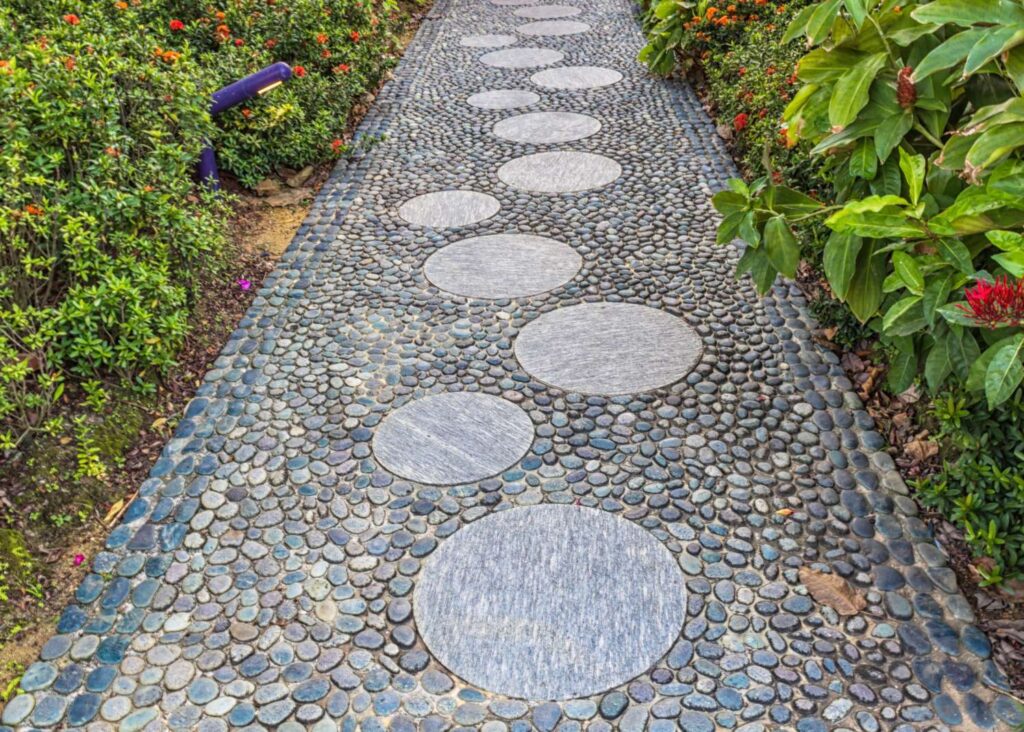
Adding stone to your garden is one of the most effective ways to enhance curb appeal and reduce yard maintenance. If you are wondering how to lay decorative stone like a professional, the secret lies in the preparation. Whether you are creating a modern rock garden or a simple border, following a structured process ensures your landscape stays beautiful for years.
At JBS Express, we provide the high-quality materials and expertise needed to transform your North Texas outdoor space into a functional masterpiece.
Essential Materials for Your Landscaping Project
Before you begin, gathering the right supplies is vital. To achieve a professional look when you lay decorative stone, you will need:
- Decorative Stone: Choose from river rock, pea gravel, or crushed granite.
- Landscape Fabric: A heavy-duty weed barrier is essential.
- Garden Edging: Steel, plastic, or stone borders keep your rocks in place.
- Landscaping Tools: A square shovel, a metal rake, and a wheelbarrow.
Step by Step Guide on How To Lay Decorative Stone
Following these steps will help you avoid common pitfalls like uneven surfaces or invasive weed growth.
1. Site Preparation and Excavation
The first step in laying decorative stone is clearing the area. Remove any existing grass, weeds, or debris. Dig down approximately 2 to 4 inches depending on the size of the stone you have chosen. Ensure the soil is firmly compacted and slightly sloped away from your home foundation to prevent water pooling.
2. Installing the Weed Barrier
A common mistake is skipping the landscape fabric. For a long lasting Decorative Stone installation, lay down a high quality geotextile fabric. Overlap the seams by at least 6 inches and secure them with landscape staples. This prevents soil from mixing with your clean stone and stops weeds from taking root.
3. Setting the Edging
Install your chosen edging material along the perimeter. This step is crucial because it contains the Decorative Stone and prevents it from spilling into your lawn or flower beds during heavy rain or mowing.
4. Spreading the Stone
Pour your stones into the area and use a metal rake to spread them evenly. When you lay decorative stone, aim for a depth of 2 to 3 inches. This thickness provides full coverage of the landscape fabric while allowing for a stable walking surface.
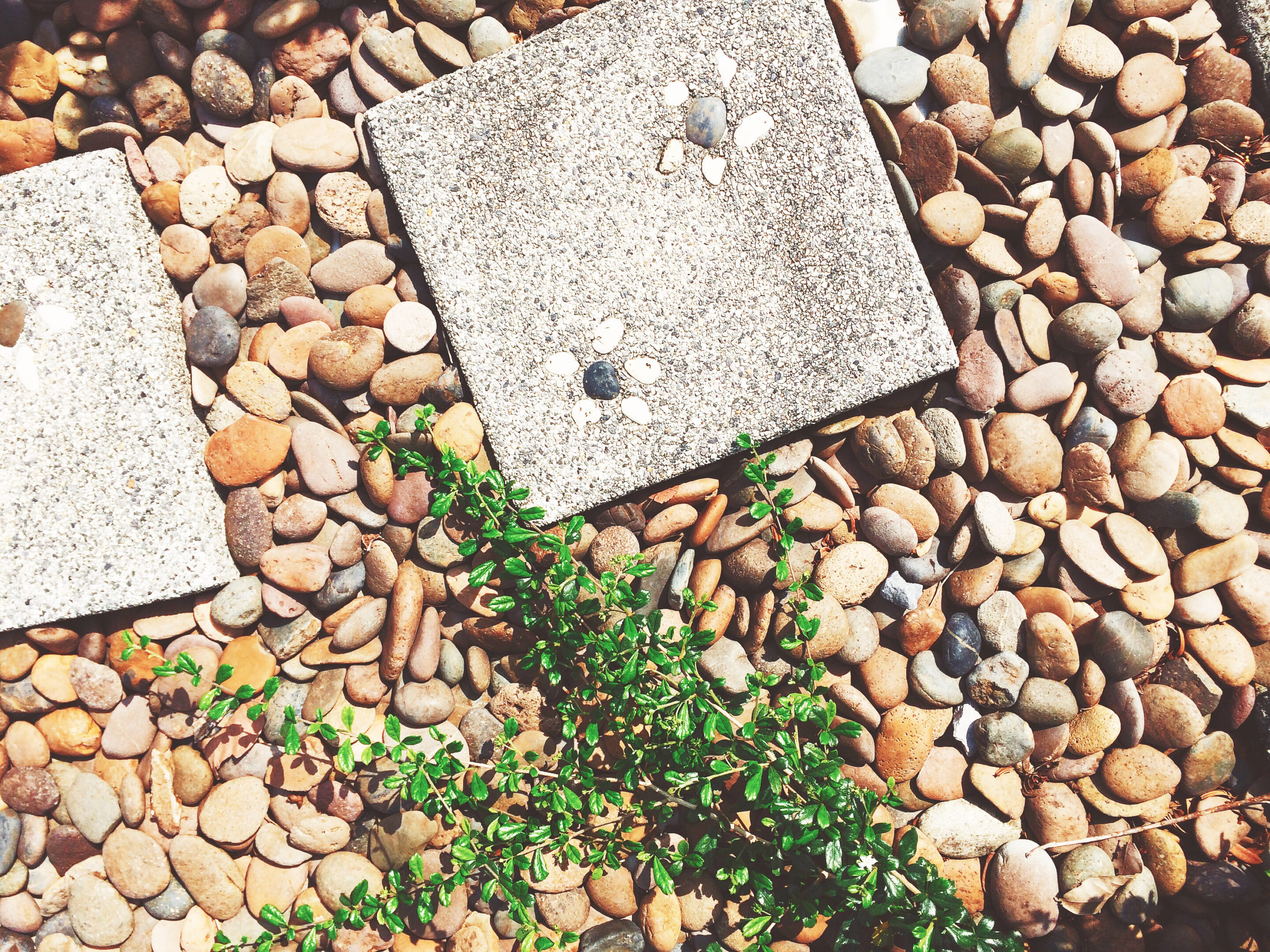
Pro Tips for McKinney Landscapes
Our local climate in McKinney and North Texas requires specific considerations:
- Drainage: Ensure your stone choice allows for water permeability. River Rock is excellent for dry creek beds that manage runoff.
- Heat Retention: Darker stones absorb more heat. If you are placing stone near delicate plants, consider lighter colored gravel or limestone.
- Maintenance: Occasionally use a leaf blower on a low setting to remove organic debris from the surface of your Decorative Stone.
Frequently Asked Questions (FAQs)
What is the best base for decorative stone?
For most residential projects, a compacted soil base covered by a professional grade landscape fabric is the best foundation. This allows for drainage while keeping the stones clean.
How much decorative stone do I need?
You can calculate the amount by multiplying the square footage of your area by the desired depth (usually 0.25 feet). Most suppliers sell stone by the ton or cubic yard.
Do I need a weed barrier under decorative stone?
Yes. Without a barrier, the stones will eventually sink into the dirt, and weeds will grow through the gaps. Using a fabric is a key part of how to lay decorative stone successfully.
Can I lay decorative stone over existing grass?
It is not recommended. Grass will decompose, creating an uneven surface, and persistent weeds will likely grow through. Always clear the sod before you lay decorative stone.
How do I keep decorative stones from moving?
Using a sturdy edging material, such as metal or cobblestone borders, is the most effective way to keep your Decorative Stone contained within the designated area.
Quality Landscape Materials in McKinney
Ready to start your project? At JBS Express, we offer a wide selection of gravel, river rocks, and specialty stones to help you execute your vision. Now that you know how to lay decorative stone, let us help you find the perfect materials to match your home’s aesthetic.
Also read:
How To Put Decorative Stone Around House?