
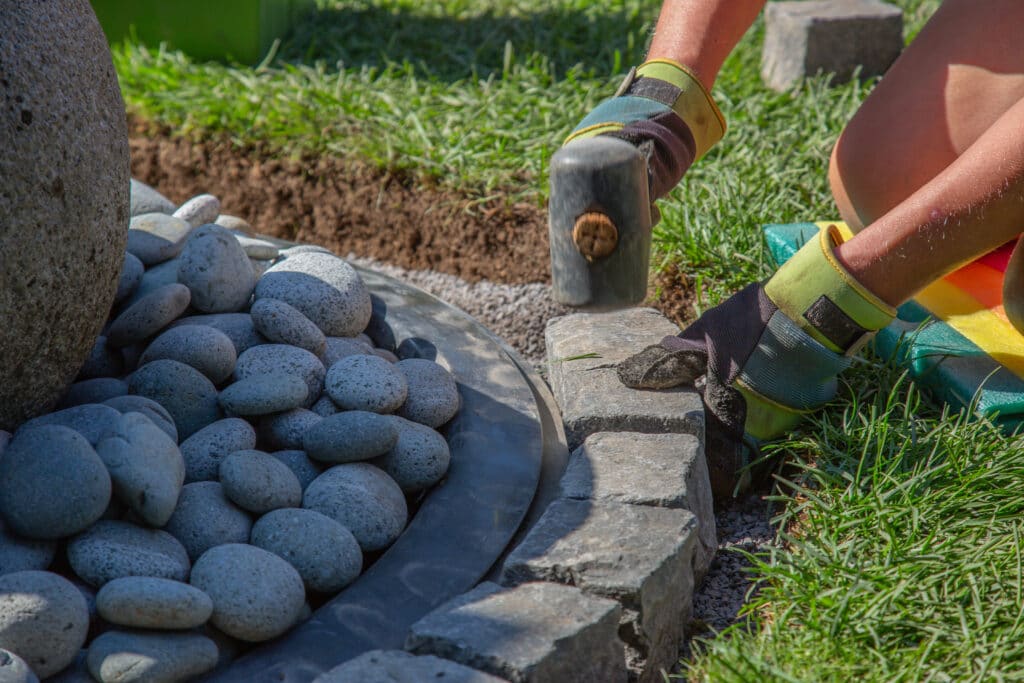
Do you want your garden to look neat and tidy? One of the easiest ways to make your yard look beautiful is by learning how to install landscape stone edging. Stone landscape edging can keep mulch and soil in your flower beds while keeping your lawn clean. It also adds a natural, polished look to your garden.
In this post, we will show you a simple step-by-step guide for installing landscape stone edging, so your outdoor space looks amazing.
Why Landscape Stone Edging Is Important
Landscape stone edging is not just for looks—it also makes your garden easier to care for. When you use edging stones around flower beds, garden beds, or along walkways, they keep grass from growing into your garden and prevent mulch from spilling onto your lawn. Whether you have straight edges or curves, stone landscape makes your outdoor space look neat and organized.
Edging is a simple project that even a beginner DIYer can handle. With the right tools and step-by-step instructions, you can transform your garden into a clean, beautiful space.
Materials Needed for Installing Landscape Stone Edging
Before you start your edging project, make sure you have the right materials. The right edging material will make your stone landscape stronger and longer-lasting. You will need:
-
- Edging stones (natural stone, brick, or paver edging)
- Shovel or spade to dig a trench
- Garden hose to plan curves or edges
- Rubber mallet to level stones
- Tamper to compact soil
- Sand or gravel for a stable base
- Mulch to finish the look
- Gloves to protect your hands
Having these items ready will make your edging project much easier and less stressful.
Step-by-Step Guide: How to Install Landscape Stone Edging
Here is a detailed guide on how to install landscape stone edging in your garden.
- Plan Your Edging Layout
First, decide where you want your landscape edging. Use a garden hose or rope to outline the edge. Curves give a soft, natural look, while straight lines are clean and simple. You can mark the line with spray paint if needed.
- Prepare the Ground
Next, it’s time to prepare the ground. Dig a trench that is about 3 inches deep and 6 inches wide. This depth helps your stones stay in place. Remove any weeds or rocks from the trench. You can add a layer of sand or gravel to create a stable base.
- Lay the Edging Stones
Now you can start using edging stones. Place each stone along the trench. Make sure the top of each stone is level. Use a rubber mallet to tap stones into place. For curved edges, take your time to keep the curve smooth. Straight edges are easier but still require checking for a straight line.
- Check Drainage
Good drainage is important. Make sure water can flow away from your garden beds. You can add gravel under the stones if needed. Proper drainage keeps your stone landscape looking great and prevents soil problems.
- Compact and Secure
Use a tamper to compact the soil around the stones. This keeps your landscape border strong and stable. If needed, you can add mortar or extra sand between the stones for extra support.
- Finishing Touches
Finally, fill any gaps with soil or mulch. Check your lawn edging to make sure it is smooth. You now have a garden edging that looks clean, neat, and professional.
Tips for a Successful Edging Installation
Here are some helpful tips to make your edging installation easier:
-
- Use a garden hose to plan curves.
- Dig a trench deep enough for the stones.
- Lay edging stones carefully for even spacing.
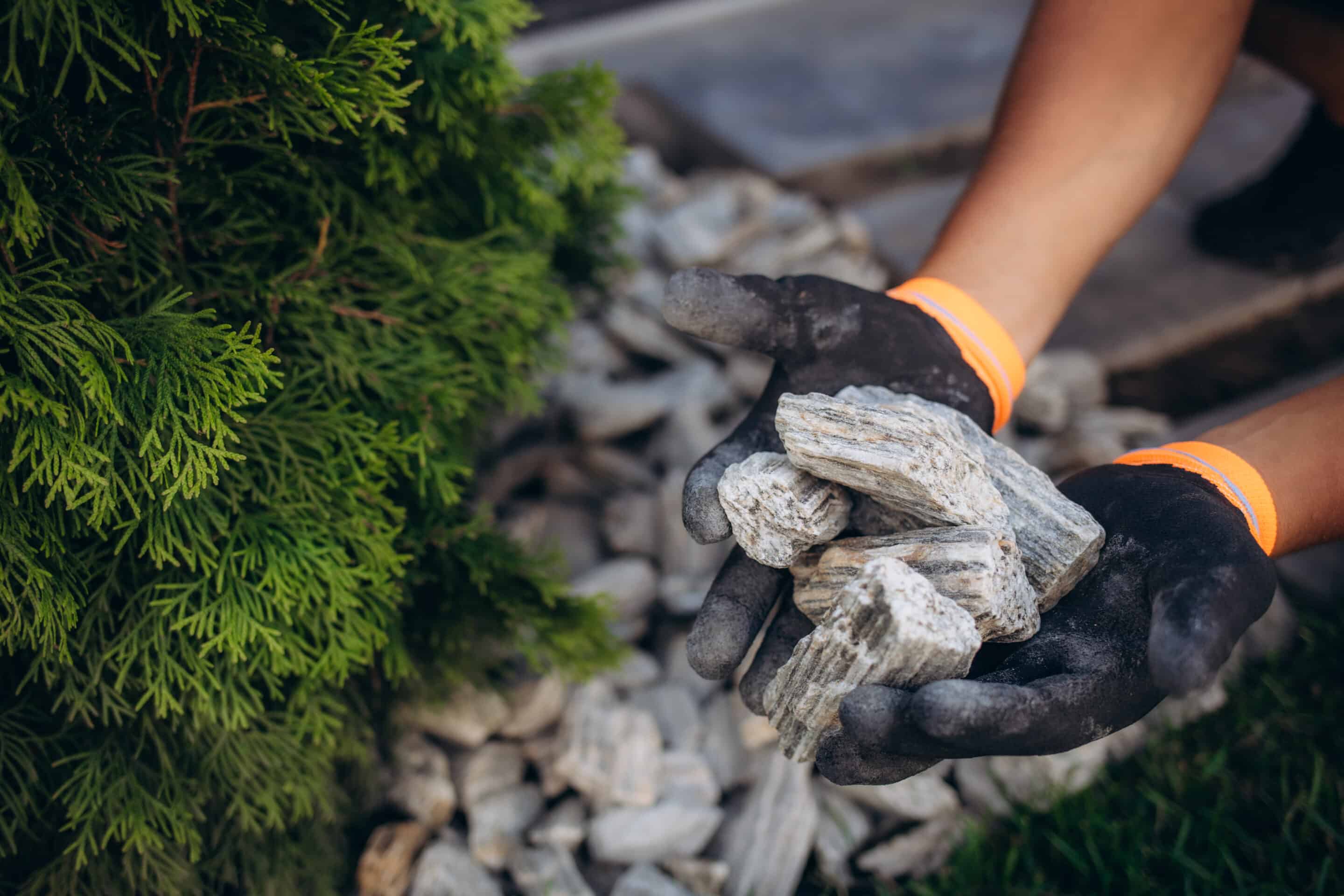
- Consider using natural stone for a strong, long-lasting border.
- Take your time with curved edges for smooth curvature.
- Step back often to check alignment and clean lines.
- Compact soil with a tamper for a stable base.
- Use mulch for a nice finishing touch and to help prevent weed growth.
Following these tips will make your garden or yard look polished and professional.
Choosing the Right Edging Material
Choosing the right edging type is important for both looks and function. Here are some common options:
-
- Natural stone: Long-lasting, works for curves and straight edges.
- Brick edging: Good for straight lawn edging and a formal look.
- Paver edging: Ideal for walkways and heavy traffic areas.
- Concrete edging: Very durable and low-maintenance.
Think about the style of your garden and the kind of outdoor space you want to create before picking a material.
Why JBS Express Is the Best Choice
If you want the best materials and advice for your edging project, JBS Express is the right choice. They provide strong, durable landscape stone edging. Their team can help you pick the right stone landscape and guide you on installing the edging.
Whether you are making tree rings, straight stone borders, or curved garden beds, JBS Express makes it easy for a DIYer to get the right materials. Their products help your garden look great and stay neat for years.
Common Mistakes to Avoid
Avoid these mistakes when installing landscape stone edging:
-
- Not digging a deep enough trench
- Skipping the stable base
- Ignoring curves in your landscape border
- Not keeping stones level
- Forgetting drainage for water
Pay attention to these points for a long-lasting and professional-looking garden edging.
Simple Steps in Bullet Points
For an easy reminder, here are the steps to lay edging stones:
-
- Plan your layout with a garden hose
- Dig a trench 3 inches deep and 6 inches wide
- Remove weeds and rocks from the trench
- Add sand or gravel for a stable base
- Place stones along the trench and level them
- Tap stones with a rubber mallet
- Check drainage and adjust if needed
- Compact soil with a tamper
- Fill gaps with soil or mulch for a neat look
- Step back and enjoy your stone landscape
Why DIY Landscape Stone Edging Is Worth It
Learning how to install landscape stone edging is a smart way to improve your garden. With well-placed stones, clean garden beds, and defined lawn edging, your outdoor space will look organized and beautiful. It is also a fun and rewarding DIY project.
Whether you want straight edges or curved edges, stone landscape edging is a simple way to add curb appeal to your home.
Final Thoughts
Installing landscape stone edging is easier than you think. By following these step-by-step instructions, you can create clean lines, define your garden or yard, and make your outdoor space look amazing. Remember to plan your layout, dig a proper trench, use the right materials, and place each stone carefully.
Your garden will benefit from neat stone borders, tidy lawn edging, and the long-lasting beauty of natural stone. With the help of JBS Express, you can get the right materials and guidance to make your DIY project simple and successful.
Start today and transform your garden into a space you can be proud of!
FAQs
Why should I use stone edging in my garden?
Stone edging makes your garden look tidy. It also stops grass from spreading into garden beds and keeps mulch in place.
Can I install landscape stone edging myself?
Yes! It is a simple DIY project. With the right tools, anyone can do it.
How deep should I dig for stone edging?
Dig a trench about 3 inches deep and 6 inches wide. This helps the stones stay steady.
What tools do I need to install stone edging?
You need a shovel, a rubber mallet, a tamper, a garden hose, and sand or gravel. Gloves and mulch are optional.
Can stone edging be curved?
Yes! You can make straight or curved edges. Use a garden hose to plan curves first.
Ready to give your garden clean, polished lines? Learn how to install landscape stone edging with our simple step-by-step guide. Call us at (469) 972-8818 and start your DIY project today and transform your outdoor space!
Also read:
Texas Landscape Materials Delivery: JBS Express’ Landscape Supplies
How Do You Choose the Right Decorative Gravel Color for Your Landscape?
How Do Sand and Gravel Products Improve Your Landscape Design?