
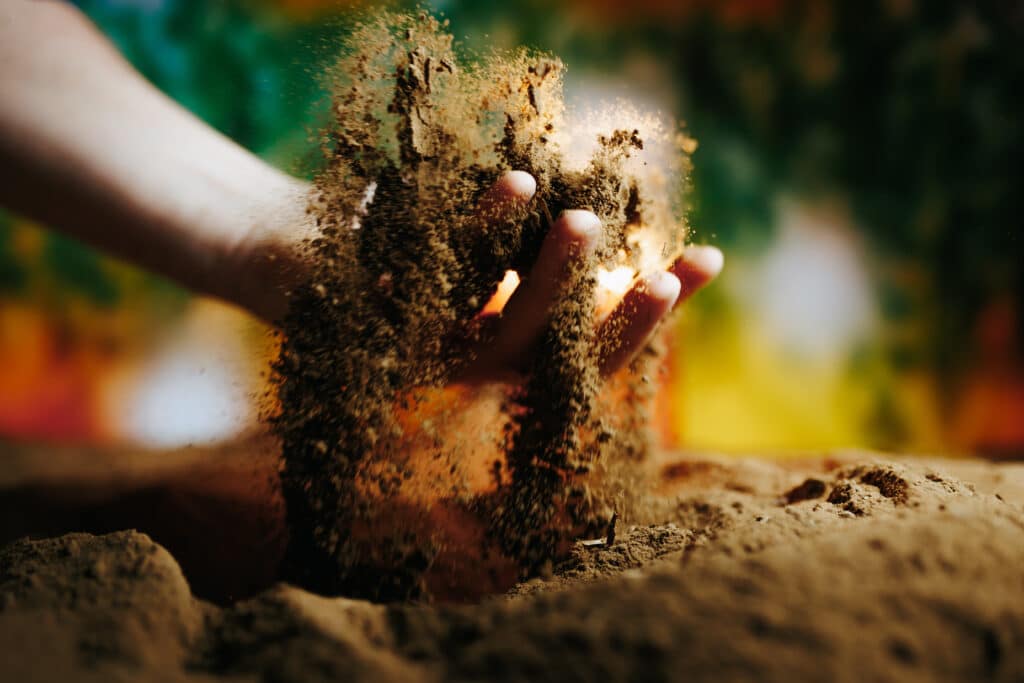
At JBS Express, we know that the secret to a thriving landscape starts beneath the surface. Using high-quality, nutrient-rich topsoil gives your grass, shrubs, and flowers the strong foundation they need to develop robust root systems, maintain optimal moisture balance, and flourish year after year.
Whether you are installing a new flower bed, leveling a patchy lawn, or filling a raised garden structure, selecting the right material is the first and most critical step. This expert guide breaks down everything you need to know about premium soil choices for North Texas landscapes.
What Is Nutrient-Rich Topsoil?
Nutrient-rich topsoil is the uppermost layer of earth, heavily enriched with organic matter, essential plant nutrients like nitrogen, phosphorus, and potassium, and a balanced structural composition. Unlike standard fill dirt, which is dense and low in biological activity, this specialized topsoil layer actively fosters plant health by encouraging microbial growth and root respiration.
What Is the Difference Between Regular, Screened, and Mixed Topsoil?
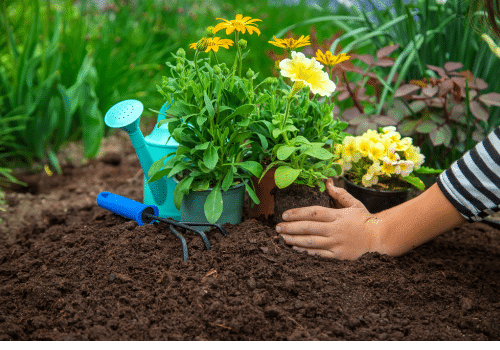
Choosing the right soil classification ensures your landscaping project succeeds without unexpected drainage or compaction issues.
|
Soil Type |
Material Composition |
Primary Landscaping Uses |
|
Regular Topsoil |
Raw excavated upper dirt layer; contains rocks, roots, and clods. |
Large scale grading, filling deep holes, sub base preparation. |
|
Screened Topsoil |
Mechanically sifted dirt to remove debris; uniform particle size. |
Lawn top dressing, sod installation base, minor grading. |
|
Mixed Topsoil |
Blended mix of screened dirt, organic compost, and sand. |
Raised garden beds, flower beds, vegetable gardens. |
Screened vs. Unscreened Topsoil
Screened topsoil passes through mechanical mesh filters to eliminate large stones, woody debris, and clay clumps. This process produces a smooth, highly workable texture that spreads evenly across a lawn or garden. Unscreened alternatives remain chunky and are best reserved for bulk structural grading rather than planting.
The Value of Mixed Topsoil
For dedicated planting zones, mixed topsoil varieties combine the structural strength of traditional soil with the intense biological benefits of premium organic compost. This combination prevents the heavy clay common to areas like McKinney and Frisco from compacting and suffocating your plants.
How Does Enriched Soil Benefit Your Landscape?
Investing in quality bulk soil yields long term structural and biological advantages for your entire property.
Improved Soil Quality and Structure
North Texas properties frequently battle dense, tight clay soils. Introducing a layer of premium topsoil improves overall texture, preventing the ground from baking into a hard brick during the summer heat. This improved structure allows air and water to circulate freely down to the root zones.
Superior Water Management
Healthy landscapes require a delicate moisture balance. A rich loam mixture absorbs water efficiently to prevent rapid runoff, yet drains well enough to prevent plant roots from sitting in stagnant pools. This moisture management makes your landscape significantly more resilient during hot, dry spells.
Enhanced Nutrient Access
Plants cannot thrive on water alone; they require readily available macro- and micronutrients. Enriched bulk soil acts as a natural reservoir, holding onto essential nutrients and releasing them steadily to plants rather than letting them wash away during heavy rainstorms.
How to Install Topsoil Mix in Your Yard
Proper preparation and execution ensure your new soil blends perfectly with the existing earth.
- Clear and Prep the Native Ground: Remove all weeds, dead grass, and larger rocks from the target installation zone. Lightly till or rake the native underlying ground to loosen compacted clay and ensure the new layer binds properly.
- Apply the Topsoil Evenly: Spread your nutrient-rich topsoil over the area. For general lawn restoration, a depth of 1 to 2 inches works perfectly. For new flower beds or deep vegetable gardens, aim for a 4- to 6-inch layer.
- Blend the Layers Together: Gently turn the bottom half of your new topsoil into the top inch of your native ground. This blending prevents a distinct boundary line that can stop roots from pushing deeper into the earth.
- Level and Hydrate the Site: Rake the surface completely smooth to eliminate low spots. Apply a gentle mist of water across the entire area to settle the fresh soil matrix without causing erosion or washing away fine particles.
Why Choose JBS Express for Your Soil and Landscaping Supplies?
JBS Express is the trusted local source for premium soils, aggregates, and landscaping materials across North Texas. We proudly serve homeowners, commercial landscapers, and builders throughout McKinney, Frisco, Plano, Allen, Richardson, Denton, Irving, and the greater Dallas area.
- Verified Quality: Our topsoil options are carefully processed and screened to guarantee consistency and eliminate unwanted yard debris.
- Comprehensive Inventory: From bulk bedding soils and organic compost to premium masonry sand and decorative gravel, we keep everything you need in stock.
- Reliable Bulk Deliveries: Our specialized fleet of flatbeds and dump trucks delivers directly to your job site or home driveway right when you need it.
Frequently Asked Questions
Which type of soil is most nutrient rich?
Loam soils that feature a balanced blend of sand, silt, clay, and a high concentration of decayed organic matter or compost are the most nutrient rich. These blends hold moisture while providing an optimal environment for beneficial soil biology.
How do you make soil nutrient rich?
You can build high quality soil by regularly amending your ground with organic compost, applying natural mulches, ensuring proper aeration, and avoiding harsh chemical treatments that kill off beneficial earthworms and microorganisms.
Is standard topsoil always nutrient rich?
No, the term “topsoil” only refers to the uppermost layer of soil. It is not a guarantee of quality. Unscreened or untreated topsoil can still be low in nutrients and full of rocks, which is why choosing screened, enriched varieties is so important.
Should I use screened or unscreened topsoil for my lawn?
Always choose screened topsoil for lawn projects, top dressing, or seeding. The smooth texture allows the material to settle evenly around grass blades without leaving chunky clods or stones behind.
Can I use topsoil on its own in small garden pots?
Pure topsoil is too heavy and dense for small enclosed pots or patio containers. It will quickly compact and suffocate roots. For container gardening, use a specialized potting mix designed for drainage, or mix your topsoil with plenty of coarse sand and compost.
Order Bulk Soil Delivery
Ready to transform your lawn and garden beds?
Give your plants the premium foundation they deserve with high quality bulk soil from JBS Express. Whether you need a quick dump truck drop-off for a backyard garden bed or multiple flatbed loads for a major landscape installation, we make the process seamless.
Contact JBS Express Today or call our McKinney yard at (469) 972-8818 to schedule your bulk topsoil delivery.