
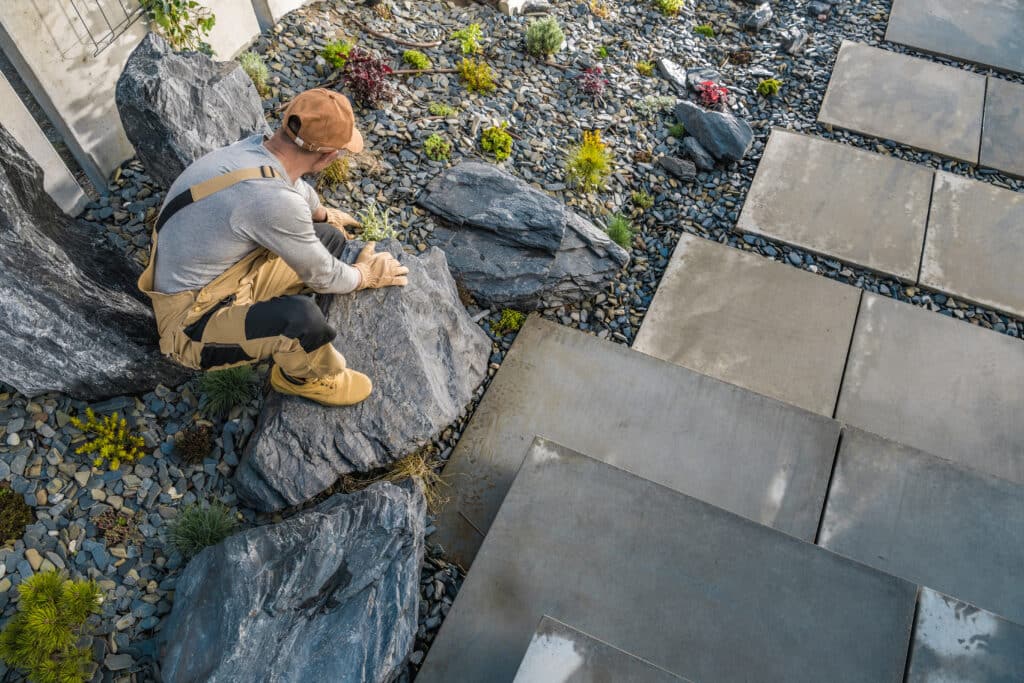
Enhancing your outdoor space involves more than just selecting the right plants and maintaining a healthy green lawn. For a truly low-maintenance, visually striking yard, integrating stone elements is a complete game-changer. Utilizing premium landscaping materials not only boosts your property’s curb appeal but also provides excellent erosion control and moisture retention for your soil.
When planning your next outdoor upgrade, understanding the different kinds of landscape rock available is the first step toward creating a functional, beautiful environment. Whether you want to build a winding garden path, create a robust retaining wall, or replace high-maintenance mulch, choosing the right material makes all the difference.
Let us dive into the most popular types of natural stone landscaping options, how to choose the right style for your home, and how to implement hardscape design principles that stand the test of time.
Why Choose Stone for Your Landscaping Projects?
Before exploring specific rock varieties, it is essential to understand why incorporating stone into your yard is a smart investment. Unlike traditional wood mulch, which decays and requires annual replacement, stone is a permanent solution.
- Exceptional Durability: Rocks withstand severe weather conditions, from intense summer heat to freezing winter temperatures, without losing their aesthetic appeal.
- Low Maintenance: Stone groundcover eliminates the need for constant weeding, re-mulching, and intensive watering.
- Enhanced Drainage: Using the right gravel types helps direct water away from your home’s foundation and prevents soil erosion during heavy downpours.
- Increased Property Value: High-quality decorative stone placement adds a polished, professional look that immediately enhances your home’s market value.
Exploring the Different Kinds of Landscape Rock
Different rocks serve different purposes. Some are ideal for foot traffic, while others excel as dramatic focal points or heavy-duty groundcover.
1. River Rocks and Pebbles
River rocks are smooth, rounded stones polished by natural water currents. They come in a beautiful array of earthy tones, including grays, browns, and whites. Because of their smooth texture, they are highly versatile and look spectacular in dry creek beds, around water features, or as a clean border for flower beds.
2. Pea Gravel
Pea gravel consists of small, pea-sized stones with rounded edges. It is incredibly popular for walkway installation because it is comfortable to walk on and provides excellent drainage. Pea gravel works wonderfully for patio bases, dog runs, and filling spaces between larger flagstones.
3. Crushed Stone and Decomposed Granite
If you are looking for a stable, compact surface, crushed stone or decomposed granite is an excellent choice. Decomposed granite has a fine, sandy texture that packs down tightly, making it perfect for rustic pathways, driveways, and fire pit areas. It offers an organic, natural look that blends seamlessly into any Texas landscape.
4. Flagstone and Slate
For structured surfaces such as patios, stepping-stone paths, and elegant walkways, flagstone is the gold standard. These large, flat slabs of natural stone landscaping material allow you to create beautiful, custom patterns. Flagstone is highly durable and provides a classic, timeless aesthetic.
5. Boulders and Large Accent Stones
If you want to create a dramatic focal point, look no further than oversized boulders. Strategically placing a few large boulders in your garden beds breaks up visual monotony and introduces height, texture, and character to your overall hardscape design.
How to Select the Right Stone for Your Home
Choosing from the different kinds of landscape rock depends heavily on your specific goals, your home’s architectural style, and the functional needs of your property.
Consider the Function
Are you trying to prevent soil erosion on a slope? Heavy river rocks or crushed stones are perfect for locking soil in place. Are you creating a seating area? Smooth pea gravel or flat flagstone will provide the stable, comfortable surface you need.
Match Your Visual Aesthetic
Your decorative stone placement should complement the existing colors of your home’s exterior. For modern homes, stark white rocks, dark lava rocks, or clean gray slate offer a minimalist, contemporary vibe. For traditional or rustic homes, earthy tan river rocks, brown flagstones, and decomposed granite create a warm, inviting atmosphere.
Plan for Drainage and Airflow
Proper drainage is crucial for maintaining a healthy yard. Small gravel varieties allow water to seep into the ground naturally, preventing pooling and runoff. Ensuring your stone layers are installed correctly will protect both your plants and your home’s foundation.
Expert Tips for Decorative Stone Placement
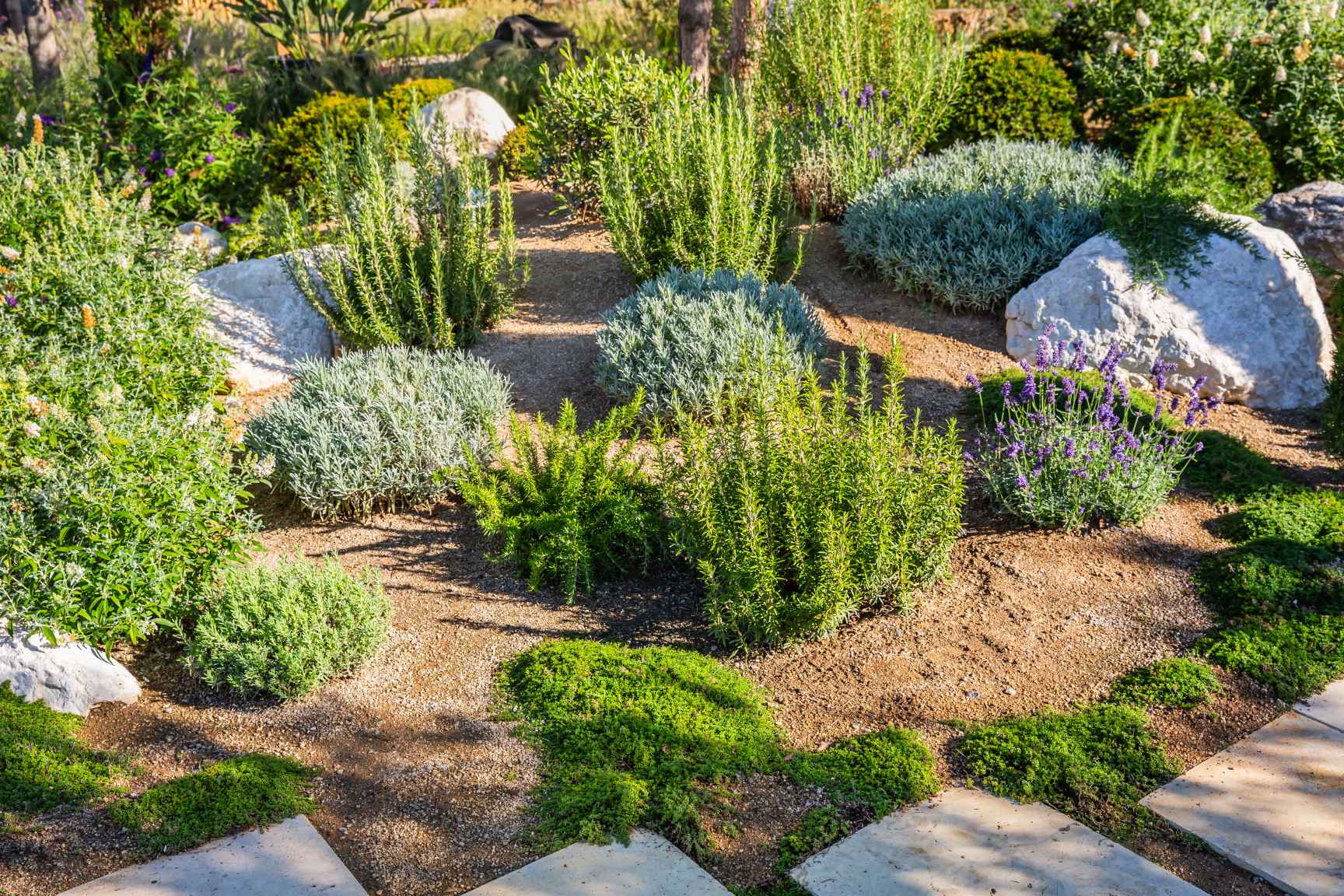
Achieving a professional look requires more than just scattering rocks across your yard. Follow these industry best practices to ensure your project looks stunning and lasts for years:
- Always Use Landscape Fabric: Before pouring any rock, lay down a high-quality, woven landscape fabric. This crucial step prevents weeds from growing through your stones while still allowing water and air to reach the soil.
- Define Your Borders: Use deep edging materials such as metal, brick, or concrete pavers to keep your stones contained. This prevents smaller gravel from spilling onto your lawn or walkways.
- Calculate Your Depth: For optimal coverage and weed suppression, smaller stones like pea gravel should be spread to a depth of 2 to 3 inches. Larger river rocks may only require a single, well-arranged layer to look complete.
Frequently Asked Questions About Landscape Rocks
Which landscape rock is best for weed control?
While rocks themselves do not stop weeds, combining crushed stone or river rock with a commercial-grade landscape fabric underneath creates an incredibly effective barrier against weed growth.
How do I clean and maintain my landscape stones?
Landscape rocks are incredibly low-maintenance. You can easily keep them looking fresh by using a leaf blower to remove fallen leaves and debris, or rinsing them down with a garden hose to remove accumulated dust.
Can I lay landscape rock directly over soil?
It is highly recommended to avoid placing rocks directly on bare soil. Over time, the rocks will sink into the dirt, making weed control difficult and creating a muddy mess. Always install a durable weed barrier first.
What is the most budget-friendly rock for large areas?
Crushed limestone, pea gravel, and decomposed granite are generally the most cost-effective options for covering expansive areas like long driveways, large paths, or massive garden beds.
Transform Your Outdoor Space Today
Selecting the perfect materials from the different kinds of landscape rock can completely revitalize your property, reducing your weekend chores while drastically improving your home’s curb appeal. From elegant flagstone pathways to functional gravel drainage solutions, the right stone elements bring balance, structure, and beauty to your outdoor living spaces.
Ready to upgrade your property with premium stone, dirt, and sand products? Let the local experts help you select and source the highest quality materials for your next project.
Visit JBS Express today to explore our premium selection and get your landscaping transformation underway.