
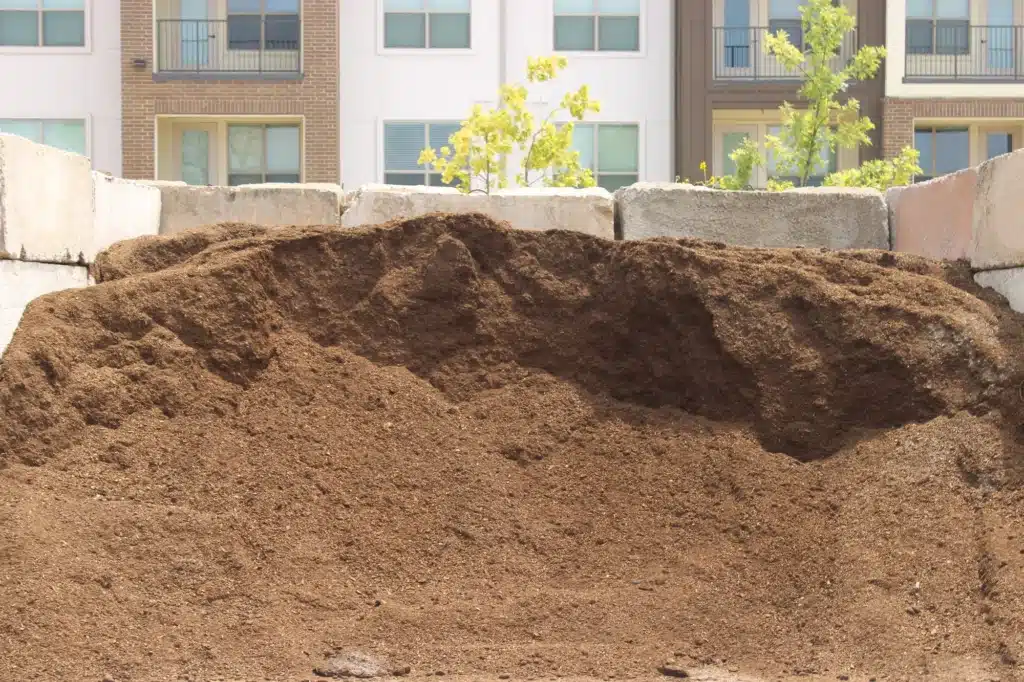
If you are refreshing garden beds this season, bulk compost is one of the simplest upgrades you can make to heavy North Texas clay. Compost is not a full replacement for topsoil. It is a soil mix-in. You blend it into the ground so roots can take in air, water, and nutrients through fall and winter.
This guide shows you what compost does, how much to order, and how to pick up a load or have it dumped. JBS Express Natural Stone & Landscape Material is a landscape materials yard at 4011 W University Dr, McKinney, TX 75071. The notes below cover quantities, yard pickup, and dump-truck access for local jobs.
Quick answer: Use bulk compost as a soil amendment, not as a full replacement for topsoil. For many existing beds, 1 to 2 inches mixed into the top 4 to 6 inches of soil is a practical starting point. One cubic yard equals 27 cubic feet, so the exact amount depends on bed size and depth.
Table of Contents
- What bulk compost is (and is not)
- Why fall is the right time in McKinney
- How to buy bulk compost this fall
- How to mix compost into McKinney clay
- Compost delivery and yard pickup
- Compost vs topsoil vs bedding soil
- FAQs
What bulk compost is (and is not)
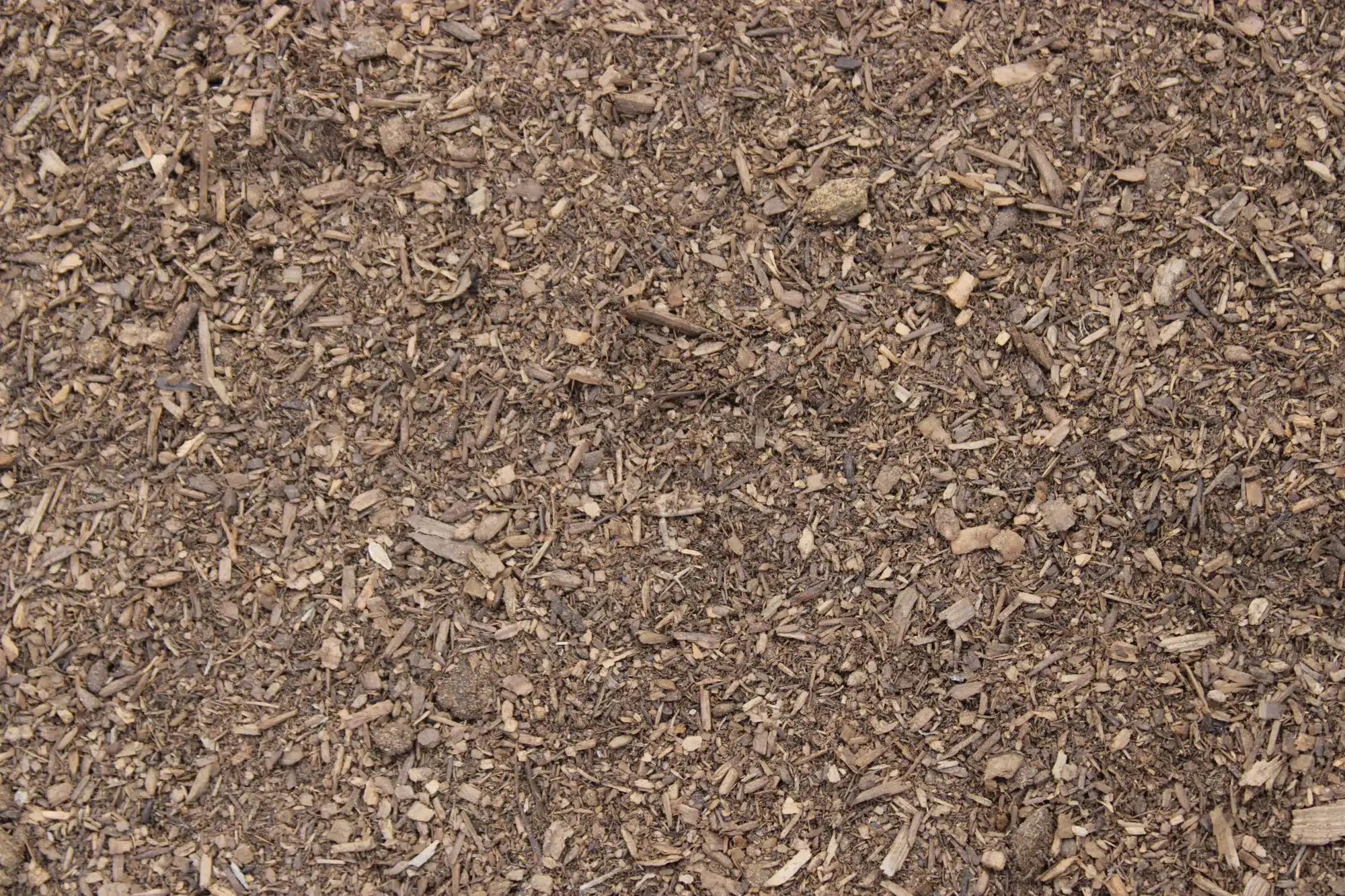
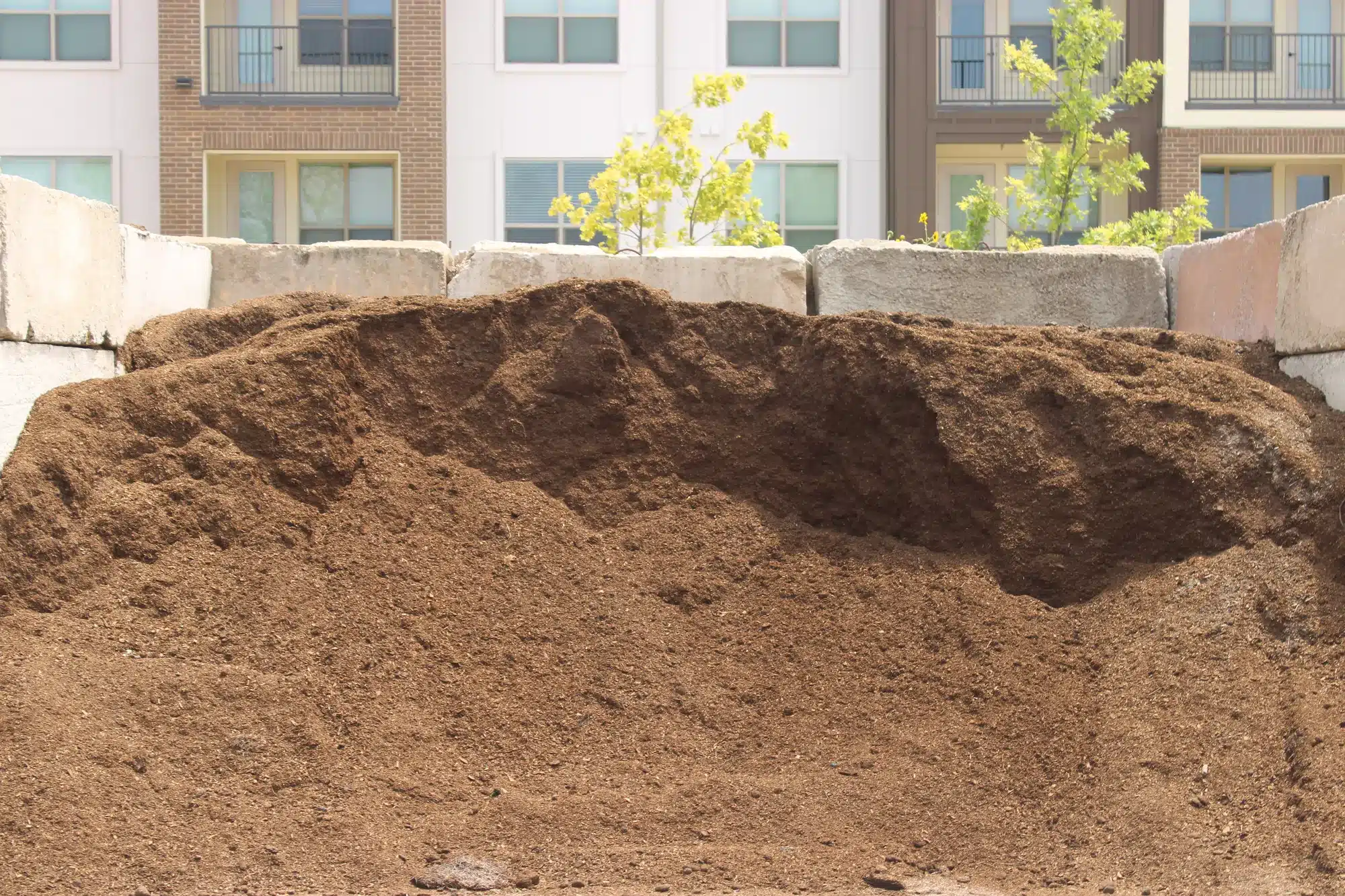
Finished compost is decomposed organic matter. It looks dark and crumbly. It should smell like clean earth, not like a trash pile.
Used well, it helps in three practical ways:
- It loosens tight clay so water can soak in instead of pooling.
- It holds a little moisture so beds do not dry out as fast.
- It adds organic matter and supports healthy soil biology.
Used poorly, it causes problems. A thick dump left on the surface can crust, wash off, or smother grass. Compost also does not raise grade the way a load of topsoil does. If you need to fill a low spot or start a new lawn layer, that is a topsoil job. We cover that in our nutrient-rich topsoil guide.
Mulch is a different product too. Compost goes into the soil. Mulch sits on top to shade roots and slow weeds.
Why fall is the right time in McKinney
Late summer into November is a strong window for soil work in McKinney and nearby Collin County. Air cools. Soil stays warm. Rain often returns after the long dry stretch.
That mix helps in two ways:
- You can work compost into beds without fighting 100 degree heat.
- New plantings have months to grow roots before next summer.
You do not have to wait for the first cool front. Mixing compost in late August or September still gives the soil time to settle before you plant shrubs, perennials, or winter color.
If your clay baked into a hard crust this summer, fall is when you fix it. Waiting until spring means you are planting into the same tight ground.
How to buy bulk compost this fall
Use these steps to order the right amount and avoid the wrong product.
1. Buy by the yard, not by the bag guess
A cubic yard is 27 cubic feet. Most store bags are 1 or 2 cubic feet. By volume, 1 cubic yard equals 27 cubic feet, so it is roughly the same volume as 27 one-cubic-foot bags or about 13 to 14 two-cubic-foot bags. Moisture and density can still make a bulk load feel different from bagged product.
For most home beds, bulk can be more cost-effective than buying many bags once you need several cubic feet. You also get one consistent load instead of a mix of bag brands.
If you are looking for bulk compost nearby, a local landscape yard is often the simpler option once the job is bigger than a few bags. See the current listing for compost, then use the material calculator or call (469) 972-8818 with your length, width, and depth.
2. Know how much compost you need before you order
The amount depends on the job, not a single magic number.
Use these starting points, then add about 10% extra for uneven ground:
- Existing flower or shrub beds: 1 to 2 inches mixed into the top 4 to 6 inches of soil.
- New beds in raw clay: 2 inches mixed in, not piled on top.
- Lawn topdressing: a light 1/4 to 1/2 inch, then water it in. Do not bury the grass.
- Around established trees: Use a thin layer over the surrounding soil. Keep the trunk flare exposed. Do not pile compost against the trunk.
How much compost per square foot: at 1 inch deep, 1 cubic yard covers about 324 square feet. At 2 inches, it covers about 162 square feet. That is your compost coverage shortcut.
Quick math: square feet times depth in feet, then divide by 27.
Example: a 10 by 20 foot bed (200 sq ft) at 2 inches (0.167 ft) needs about 1.2 cubic yards. Round up to 1.5 yards so you do not run short.
Customers often measure two or three separate beds. Add the square footage together before you order so you do not come up short on the last bed.
How much compost to add to soil is usually that 1 to 2 inch mix-in, not a full replacement of the bed.
3. Look at the pile before you load
Bulk material holds moisture. A wet load weighs more and can clump. A very dry load can blow and look dusty.
At the yard you can see color, texture, and moisture. That is the main reason local pickup beats ordering sight unseen. If you cannot visit, tell us how you will use it (beds, lawn, or trees) so we can flag a poor match.
4. Plan where the pile will land
Pick a spot you can reach with a wheelbarrow. Keep the pile off the house foundation. If a slope drains toward the street, tarp the load so material does not wash into storm drains. If the load will sit overnight, cover it.
5. Plan the rest of the bed before ordering
Fall beds often need more than compost. You may want bedding soil for a raised box, or mulch after you plant. One McKinney stop means fewer trips and a delivery plan that fits the whole load. JBS Express stocks compost with other soils and sands, and we match dump trucks to bulk material.
How to mix compost into McKinney clay
North Texas clay swells when wet and cracks when dry. Compost will not erase that. It makes the top layer easier to work.
A simple method:
- Pull weeds and rake out rocks and debris.
- Spread compost in an even layer.
- Mix it into the top several inches. A garden fork or tiller both work.
- Water lightly so the blend settles.
- Plant, then add mulch on the surface if you want weed control.
Do not till soaking-wet clay into soup. Wait until the soil is damp, not sticky. If a squeezed handful stays in a shiny ball and will not crumble, it is too wet.
For large contractor jobs, mix in stages. One deep dump in a low corner of the yard is hard to spread by hand.
Compost delivery and yard pickup
Small DIY loads often fit a pickup if you tarp the bed and respect weight limits. Compost is heavier than it looks, especially when moist.
Larger bed projects are faster with bulk compost delivery. We use dump truck delivery for loose material. Share these details when you request a quote:
- City and street address
- Approximate cubic yards
- Gate width and overhead lines
- Where the truck can dump without blocking the driveway for days
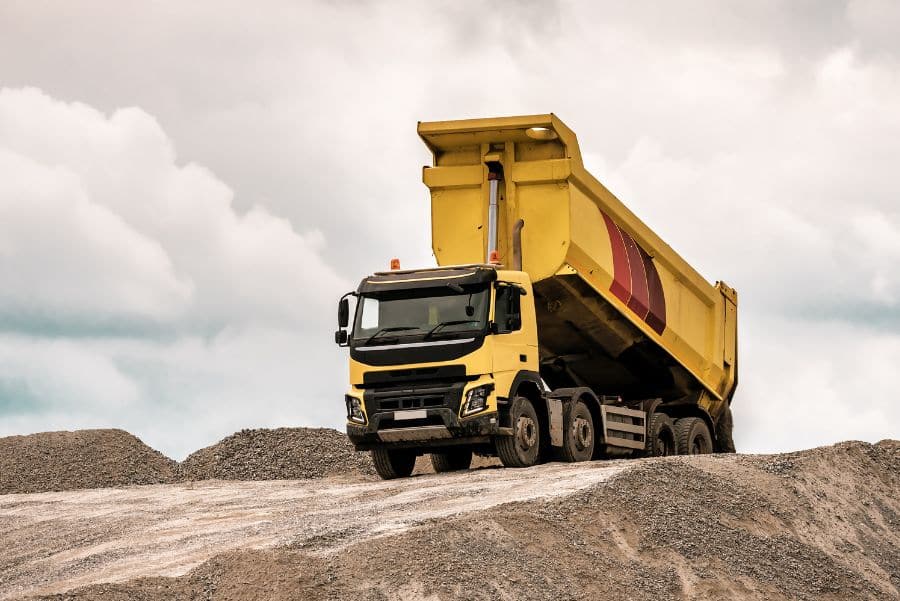
Dump trucks are for compost, soil, sand, mulch, and gravel. Flatbeds are for slabs, pavers, and stone that should not be dumped. Compost almost always rides in a dump truck.
We deliver from our McKinney yard across nearby cities, including Frisco, Plano, Allen, Richardson, Melissa, and Dallas. Pricing depends on distance and load size, so we quote instead of posting a single number that would be wrong for most jobs.
If you are deciding where to buy bulk compost near McKinney, visiting the yard lets you see the material and confirm the quantity before you order.
Compost vs topsoil vs bedding soil
Keep the jobs separate so you do not buy two products for the same need.
- Compost: Mix into soil you already have. Best for fall bed prep and clay that needs organic matter.
- Topsoil: Adds a new soil layer for lawns, fill, or beds that need depth. See the topsoil guide if that is your project.
- Bedding soil: A ready planting blend for raised beds and boxes. Use it when you are filling a bed, not when you only need to feed existing clay.
If you are not sure, bring a photo to the yard or describe the project on the phone. That is faster than guessing from a product name.
FAQs
Is bulk compost the same as potting mix?
No. Potting mix is made for containers. It is lighter and often includes bark, peat, or similar blends. Compost is for garden soil. Do not fill pots with compost alone.
Can I put compost on my lawn?
Yes, in a thin layer. A heavy layer can smother grass. Rake a light coat in and water it so it drops between the blades.
How often should I add compost?
Many McKinney beds do well with a mix-in once a year in fall, or a lighter pass in spring. Vegetable beds may need it more often. A soil test takes the guesswork out if you are unsure.
Do you sell bagged compost or only bulk?
Call ahead to confirm current stock, especially if you need a large load. Most fall projects that cover several beds are cleaner by the yard. Tiny patio pots can still be a bag job.
Can I pick up bulk compost?
JBS Express Natural Stone & Landscape Material is open Monday through Friday from 7:00 AM to 5:00 PM and Saturday from 7:00 AM to 2:00 PM. Sunday is closed. Call (469) 972-8818 to confirm compost availability and large-load pickup.
Get bulk compost from JBS Express Natural Stone & Landscape Material
If you want bulk compost that is ready for fall planting, start at the yard where you can see the material and leave with a clear quantity. JBS Express Natural Stone & Landscape Material supplies compost for homeowners and crews, with pickup or dump truck delivery from 4011 W University Dr, McKinney, TX 75071.
Bring your bed measurements. We will help you turn square feet into cubic yards, point you to the compost product page, and set up delivery if a pickup will not fit the job.
Visit the shop this week, call (469) 972-8818, or request a quote so your fall beds are ready before the first real cool spell.