
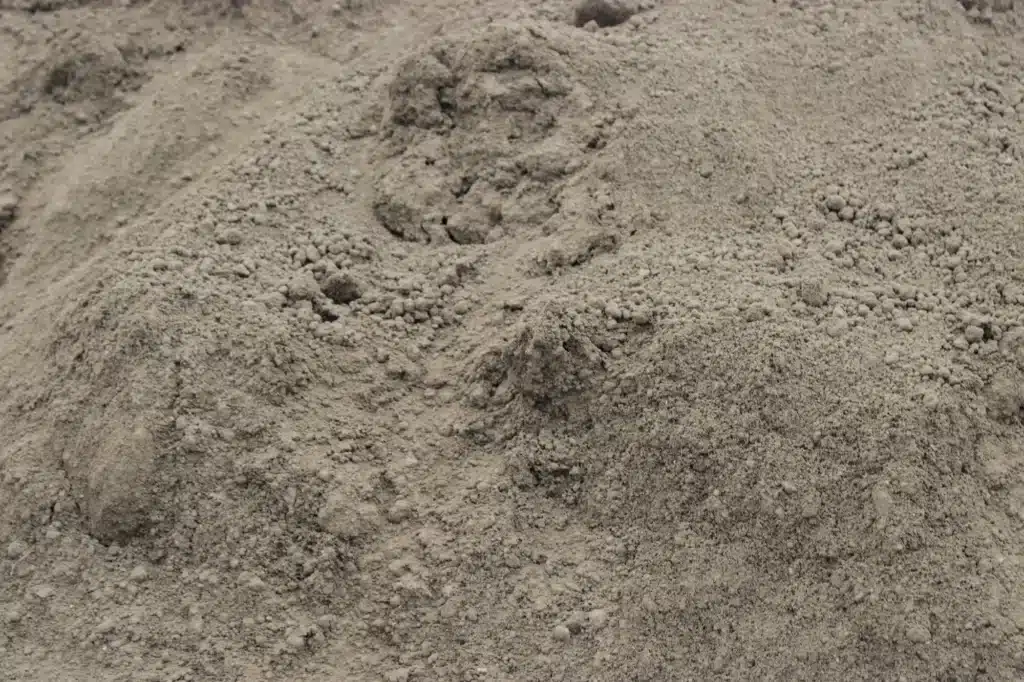
Topsoil and sand are the foundation of planting beds, lawn repair, and hardscape base work. JBS Express McKinney stocks soils, compost, bedding mix, cushion sand, and masonry sand for pickup and dump truck delivery. This page helps you pick the right product and volume for your project.
Soils vs sand — different jobs
- Topsoil — adds planting depth and lawn repair layer (topsoil product)
- Compost — mixes into existing clay to add organic matter (compost)
- Bedding soil — ready blend for raised beds and boxes (bedding soil)
- Cushion sand — screed bed under pavers and play areas (cushion sand)
- Masonry sand — mortar and precision sand work (masonry sand)
Do not use masonry sand as paver bedding unless your contractor specifies it — cushion sand is the usual screed layer. Do not use topsoil as the only fix for hardpan clay without mixing compost.
When to use each soil product
Topsoil adds volume for new beds and lawn leveling — it is not magic nutrition by itself. Compost improves clay structure when mixed in, not piled on grass. Bedding soil fills raised planters with a blend meant for containers and boxes. Sands are for hardscape and precision work, not general planting.
Read our bulk compost guide and topsoil guide if you are deciding between amendment and new soil layer.
Working with clay in McKinney
North Texas clay needs air and organic matter. Rototilling wet clay creates bricks; wait for damp workable moisture. For new beds, many customers mix compost into the top six inches rather than replacing entire profiles — cheaper and often better for established landscapes.
Sand alone mixed into clay without enough organic matter can set up like concrete — follow proven ratios or ask the yard what contractors are using on similar jobs this season.
Storing soil and sand on site
Tarp piles on driveways. Rain makes soil heavy; wind blows dry sand into storm drains — both are avoidable with a simple cover and a planned spread date. Do not store sand directly on lawn for a week unless you plan to repair that turf.
For paver crews, stage cushion sand near the patio but protected from rain the night before screeding — wet sand screeds differently and can delay the day.
Common McKinney projects
New beds in clay: mix compost into the top 4–6 inches, then plant, then mulch. Raised boxes: fill with bedding soil, not straight compost. Lawn low spots: thin topsoil topdressing after aeration — not six inches that smothers grass. Patios: gravel base plus cushion sand — see gravel and our blog on cushion sand uses.
How much soil or sand to order
Same cubic-yard math as gravel: length × width × depth in feet ÷ 27. Soil and sand are heavy when wet — do not overload pickups.
Example: filling a 4 × 8 foot raised box 12 inches deep is 32 cubic feet ≈ 1.2 yards — round to 1.5 yards. For long foundation beds, measure each section and add totals. Use the material calculator or call (469) 972-8818.
Pickup vs delivery for soils and sand
One to two yards often fits a pickup with care. Whole-yard bed projects and contractor loads use dump truck delivery. Sand for large paver jobs may need multiple loads — schedule early in the week when possible.
Request a quote with product type, cubic yards, and delivery address. See the McKinney hub for yard location and hours.
Pair with stone and mulch
Most landscape refreshes need more than one product. After soil work, add mulch or decorative gravel. For hardscape, order base gravel, cushion sand, and flagstone in one planning pass so delivery timing aligns.
Working with JBS Express on soil and sand orders
Soil products vary in moisture by season. A dry summer load feels different from a wet spring load — both are normal. Describe whether you are filling, amending, or screeding so we point you to the right pile.
Contractors: label jobs when ordering multiple sand types — cushion and masonry are not interchangeable. Homeowners: bring patio dimensions and paver brand if you have it; we will help estimate base and bedding separately from planting soil.
Lawn repair and leveling
Low spots in Bermuda or St. Augustine lawns often need thin topdressing after aeration — not a six-inch soil dump that buries the grass. Mix compost into aeration holes when the goal is healthier roots, not just fill.
After utility trenching, replace subsoil first if the contractor left chunky fill, then add topsoil in lifts, compact lightly, seed or sod, and wait to mulch adjacent beds until traffic stops. Rushing mulch over muddy repair zones tracks clay everywhere.
Raised beds and vegetable gardens
Raised boxes and stock tanks need a blend meant for containers — bedding soil or a planned mix, not straight compost alone. Depth matters for tomatoes and root crops; six inches is a minimum for greens, twelve to eighteen inches is better for serious vegetable beds.
Locate boxes where sun and water reach. Soil orders are heavy — place boxes before you dump five yards behind a gate you cannot wheelbarrow through. Pair soil delivery with mulch for paths between boxes if you want clean footing during harvest season.
Pool, paver, and masonry sand orders
Paver crews often need cushion sand staged the day before screeding — rain overnight changes workability. Tell dispatch if you need morning delivery so sand sits covered until the crew arrives. Masonry sand is finer and used where specs call for mortar or tight joints — do not substitute without written approval from your mason.
Pool contractors occasionally order bulk sand for bedding or drainage layers — share equipment access and whether the truck must stay on street versus driveway. Combined loads with gravel base are common on hardscape weeks; list products in install order when you request a quote.
Spring soil orders spike with planting season — call early in the week if you need delivery before a weekend install crew arrives on site.
FAQs
Is your topsoil blended for North Texas clay?
Ask at the yard about current blends. Many customers mix compost into native clay instead of replacing entire beds.
Can I use compost alone in a raised bed?
Compost is an amendment. Raised beds usually need bedding soil or a planned soil mix — see our bulk compost guide.
Do you deliver sand for pool or paver contractors?
Yes — describe truck access and whether you need cushion or masonry sand.
How do I store a soil pile in my driveway?
Tarp it. Rain makes soil heavy and messy; wind blows dry soil into storm drains.
What sand goes under pavers?
Most patio installs use cushion sand for the screed layer — see our cushion sand guide.
Can I get compost and topsoil on one truck?
Sometimes — depends on volume and product. Ask dispatch when you quote multi-product loads.
Shop soils and sands at JBS Express
Browse soils and sands, visit the yard to see moisture and texture, or call (469) 972-8818 for pickup and delivery on your next McKinney project.
Topsoil vs bedding soil vs compost — buyer checklist
These three get mixed up on quote calls. Use this short checklist, then order from the soils and sands category.
- Topsoil — adds planting depth and lawn repair layers.
- Bedding soil — ready blend for raised beds and boxes.
- Compost — mixes into existing clay; see also bulk compost.
- Cushion sand — screed bed under pavers (not a plant mix).
- Masonry sand — mortar and finer construction work.
When you need sand under pavers, read what is cushion sand before you fill a truck with the wrong pile.