
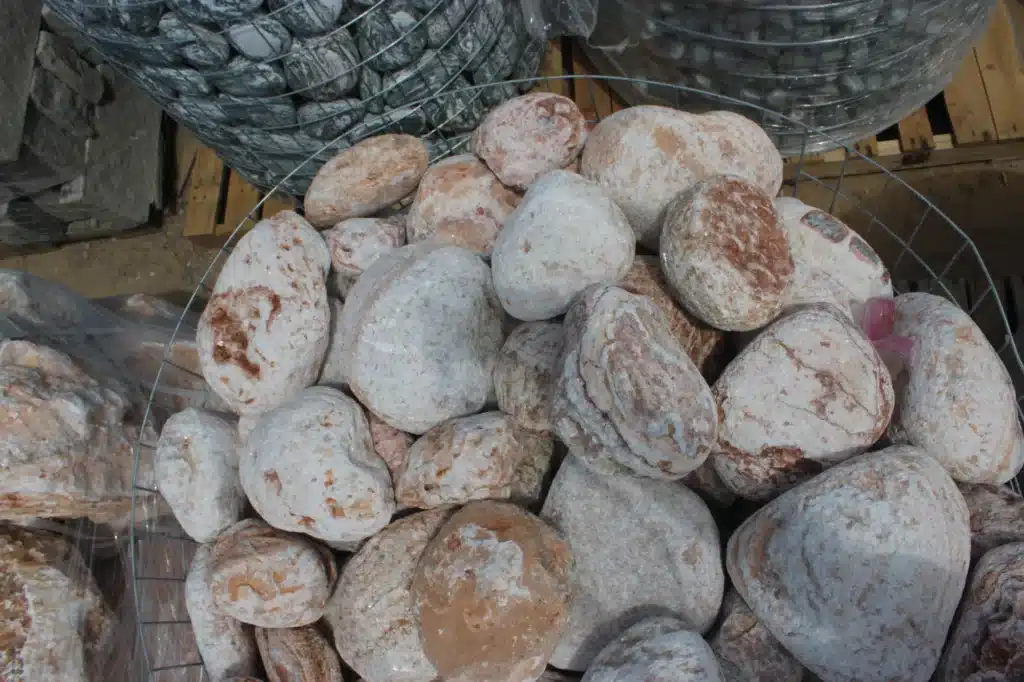
Selecting the right stone for water features mckinney helps homeowners create durable, attractive fountains, ponds, and waterfalls that blend with North Texas landscapes. Proper stone choice supports water flow, prevents erosion around basins, and maintains visual appeal year-round in McKinney yards.
Quick answer: River rock, fieldstone, and crushed granite in sizes from one to three inches work well for most McKinney water features. These materials provide stable bases, natural textures, and good drainage while resisting the freeze-thaw cycles common in the area.
Visit the yard before ordering to check current stock and color options. JBS Express McKinney stocks multiple landscaping stones suitable for water projects. Matching stone to your specific site conditions ensures long-term performance.
Table of Contents
- Types of Stone Suited for McKinney Water Features
- Selecting Sizes and Shapes for Fountains and Ponds
- Installation Tips for Local Yards
- Performance in North Texas Weather
- Ongoing Care for Water Elements
- Calculating Material Quantities
- Pickup and Delivery Services
- FAQs
Types of Stone Suited for McKinney Water Features
River rock offers smooth surfaces that allow water to flow gently over edges without sharp angles that could damage liners. Homeowners in McKinney often choose earth-tone river rock because it complements local soil colors and existing flagstone patios. Fieldstone provides larger, irregular pieces ideal for building natural-looking waterfalls or edging pond perimeters.
Crushed granite creates a stable base layer under fountains and helps with drainage on clay-heavy McKinney soils. Its angular shape locks together tightly, reducing movement during heavy rains. Some projects combine multiple types, using larger fieldstone for structure and smaller river rock for visible surfaces around the water line.
Each stone type brings different benefits. River rock resists algae buildup better than porous materials, while fieldstone adds height and texture for multi-level fountains. Test samples on site to see how colors appear when wet, since water darkens most stones and changes the overall look.
Selecting Sizes and Shapes for Fountains and Ponds
One-inch to two-inch river rock fits well in fountain basins where water movement is constant. This size stays in place during pump operation yet allows easy cleaning. Larger three-inch to six-inch fieldstone works for pond edges and spillways because the weight prevents shifting from water pressure or foot traffic.
Round shapes reduce wear on flexible liners compared with sharp, angular pieces. Flat fieldstone creates level platforms for fountain heads or stepping stones across shallow water. Mixing sizes adds visual interest without overwhelming the feature itself.
Measure the depth and width of your planned water element before selecting sizes. Shallow fountains need smaller stone to avoid blocking pumps, while deeper ponds benefit from larger base stones that anchor the design. Local soil conditions in McKinney may require additional gravel layers for stability.
Installation Tips for Local Yards
Start by excavating to the proper depth and laying a protective underlayment before placing any stone. Compact the base thoroughly to prevent settling that could crack fountain structures later. Position larger stones first to form the main shape, then fill gaps with smaller material for a finished appearance.
Ensure water lines and electrical conduits are installed before final stone placement. Route hoses through gaps in the rock so they remain hidden yet accessible for maintenance. Slope the surrounding grade slightly away from the feature to direct runoff during storms.
Work in sections and check levels frequently. Uneven stone placement affects water flow and can create unwanted splashing outside the basin. McKinney homeowners often add a thin layer of pea gravel on top for a polished look that also improves traction around wet areas.
Performance in North Texas Weather
North Texas experiences hot summers and occasional winter freezes that affect stone performance around water. Non-porous stones like river rock hold up better because they absorb less water that could expand during freezes. Avoid highly porous materials that may crack after repeated cycles.
Heavy summer rains require good drainage around the entire feature. Stone that allows water to pass through prevents pooling against liners or foundations. Color stability matters too, since intense sunlight can fade some stones over time while others retain their appearance.
Choose stone that matches the thermal properties of your fountain equipment. Darker stones absorb heat faster, which can warm water in summer but may stress certain fish or plants. Lighter river rock stays cooler and reflects more sunlight in exposed McKinney locations.
Ongoing Care for Water Elements
Regular removal of debris keeps water features looking clean and prevents clogs in pumps. Rake or scoop leaves and twigs from the surface weekly during fall. A leaf net placed over the feature during peak season reduces the amount of material that reaches the stone bed.
Inspect stone placement after major storms. Heavy rain can shift smaller pieces, exposing liners or changing water flow patterns. Reposition as needed and add more material if settling occurs. Algae growth on stone surfaces responds well to periodic brushing and water changes.
Winter preparation includes lowering water levels and protecting pumps. Stone itself rarely needs special treatment, but checking joints and edges before cold weather helps avoid larger repairs in spring. Consistent care extends the life of both the stone and the overall water feature.
Calculating Material Quantities
Measure the length, width, and depth of each area where stone will be placed. Multiply these dimensions to find cubic feet, then convert to tons using the approximate weight of the chosen stone type. Add ten to fifteen percent extra to account for settling and irregular shapes common in water feature designs.
Use the Landscape Material Calculator to refine estimates based on your exact measurements. Different stone densities affect the final tonnage, so confirm the type before ordering. Layered installations require separate calculations for base gravel and top dressing.
Account for overflow zones and splash areas when determining total quantities. McKinney projects often need extra stone along walkways or planting beds adjacent to the water feature. Ordering slightly more upfront avoids delays if additional material is required mid-project.
Pickup and Delivery Services
JBS Express McKinney offers both pickup at the yard and flatbed deliveries for larger orders. Homeowners can inspect stone in person before loading vehicles or request delivery directly to the job site. Dump truck options handle bulk quantities efficiently for extensive pond or fountain builds.
Schedule deliveries when the site is ready to receive material. Clear access paths prevent damage to lawns or existing landscaping. Coordinate timing with other contractors if multiple trades are involved in the water feature installation.
Request a quote through the Request a Quote page to confirm current availability and delivery windows for your chosen stone. Local service keeps projects on schedule without long wait times for material.
FAQs
Which stone works best for small backyard fountains in McKinney?
One-inch river rock provides the best balance for small fountains. It allows water to circulate freely around the pump while creating an attractive visible surface. Larger stone can overwhelm compact designs and make cleaning more difficult.
How does local soil affect stone selection for ponds?
McKinney clay soils drain slowly, so angular crushed granite creates a better base layer than rounded material alone. The angular edges lock together and improve stability on soft ground. Adding a drainage layer beneath the stone helps manage excess water during heavy rains.
Can I mix different stone types in one water feature?
Yes, combining river rock for visible areas with fieldstone for structure is common. The contrast adds visual depth while maintaining function. Keep larger structural pieces below the water line where possible so the finished surface looks cohesive.
What maintenance does stone around water features require each season?
Remove debris weekly during leaf season and inspect for shifting after storms. Brush algae from exposed surfaces as needed and check that water levels remain consistent. Winter preparation involves protecting equipment rather than the stone itself.
Is delivery available for water feature projects in surrounding areas?
Delivery reaches McKinney and nearby communities including McKinney residents. Confirm your exact location when requesting delivery to ensure the correct truck size is scheduled for the order volume.
Ready to start your water feature project? Call (469) 972-8818 or visit the yard to discuss stone options for your McKinney fountain or pond.