
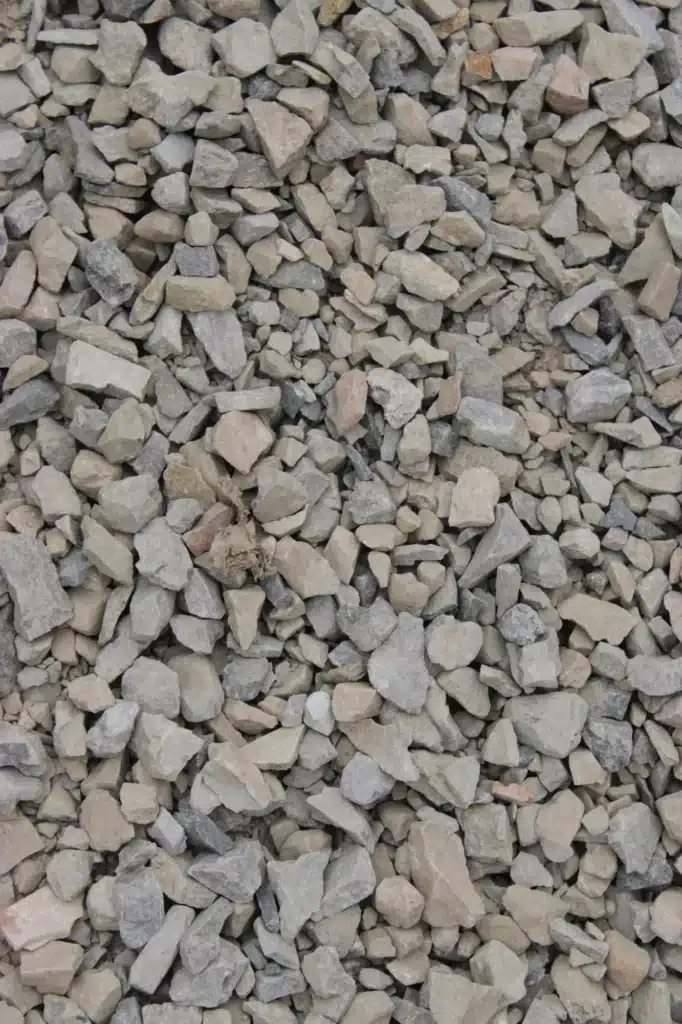
Searches for the best gravel for parking pad (and related driveway gravel terms) spike whenever Collin County homeowners add overflow parking, an RV strip, or a side-yard pad. Decorative pea gravel alone rarely holds tire traffic. You need a structural approach.
Quick answer: Most durable DIY pads combine a compacted road base layer with a suitable surface gravel. Depth depends on soil and load—light car pads differ from truck or trailer pads. JBS Express Natural Stone & Landscape Material at 4011 W University Dr, McKinney, TX 75071 stocks base and gravel for pickup or dump truck delivery. Call (469) 972-8818.
For general driveway stone theory, also see what type of gravel is best for driveways and our road base guide.
What Makes Gravel Work on a Parking Pad
- Angular particles that lock under compaction
- Fines in the base layer so the pad densifies instead of rolling
- Enough depth after compaction for your soil and vehicle weight
- Edges so material does not migrate into the lawn
- Drainage away from the house foundation
North Texas clay softens when wet. A thin sprinkle of pretty gravel on gumbo soil turns into ruts after the first storm.
Material Options from a McKinney Yard
Road base (structural layer)
Road base with fines is the workhorse under pads and pavers. Compact it in lifts. Details: road base blog.
Limestone and crushed gravel (surface)
Crushed limestone and similar angular gravels make a practical driving surface over a prepared base. Browse gravels for current stock.
Decorative gravel (finish only)
Tejas black, pea gravel, and polished rock look sharp but are finish layers. Do not expect them alone to carry daily parking loads. See Tejas black gravel for decorative beds, not as the only pad layer.
Suggested Build-Up for a Light Car Pad
- Strip organics and soft topsoil in the pad footprint
- Shape subgrade so water sheds away from the house
- Install edge restraint (timber, steel, or stone)
- Place and compact road base in lifts to a continuous thickness
- Add a surface gravel course and compact again
- Top off after the first weeks of traffic settle the pad
Trailer, RV, and delivery-truck pads need deeper structural sections. When in doubt, ask a contractor and bring their spec to the yard.
How Much Gravel and Base Do You Need?
Cubic yards = length × width × depth (ft) ÷ 27. Example: 20×10 pad at 6 inches average depth ≈ 3.7 cubic yards before compaction loss—order extra.
Use the material calculator or call with length, width, and target depth.
Pickup and Delivery
Base and gravel are dump-truck materials. Share address, yards, and dump access when you request a quote. Flatbeds are for pallet stone, not loose base.
Browse the full catalog. Yard: 4011 W University Dr, McKinney, TX 75071. Hours Mon–Fri 7–5, Sat 7–2, Sun closed.
FAQs
What is the best gravel for a parking pad?
A compacted road-base structural layer plus an angular surface gravel outperforms decorative stone alone for most McKinney pads.
Can I put gravel straight on clay?
You can, but ruts are likely. Removing soft soil and compacting base dramatically improves results.
Is parking-pad gravel the same as driveway gravel?
Similar materials, often shorter length. The same base-plus-surface logic applies. Head terms like “best gravel for driveway” still point back to structure first.
Parking Pad vs Full Driveway: Same Logic, Smaller Footprint
Google groups “best gravel for driveway” and “best gravel for parking pad” together for good reason. Both need structure. A parking pad is usually shorter and may see fewer turns, but tire load in one spot can be heavier if you always park in the same two rectangles. Build the pad like a short driveway section, not like a decorative bed.
If you already have a paved driveway and only need overflow parking on the side, contain the pad with edging so gravel does not creep into grass and create a mower hazard.
Drainage Details That Save the Pad
- Crown the center slightly or slope the entire pad away from the house
- Do not trap water against the foundation with a raised gravel berm
- Consider a shallow drain rock strip on the low edge if the yard already puddles
- Keep the pad out of roof drip lines that dump concentrated water in one corner
Standing water softens clay under the base and recreates ruts no matter how pretty the surface gravel looked on day one.
Maintenance After You Build
Expect to rake and top off surface gravel once or twice a year. Heavy rains move fines. Tire spin on wet days digs holes—fill them with matching surface stone and compact. If the whole pad pumps mud upward, the base was too thin or the subgrade was too wet when you built; you may need to rebuild sections rather than keep adding pretty rock on top of failure.
For decorative borders around the pad, use a finish stone such as Tejas black in the beds, not as the tire surface.
Best Gravel for Parking Pad: Quick Spec Sheet
Write your pad length, width, target depth, and vehicle type. Bring that sheet when you ask for the best gravel for parking pad build-up. Pair road base with an angular surface gravel, and keep decorative stone in the beds only.
For broader Texas landscape durability tips, browse Texas A&M AgriLife Extension, then purchase base and gravel from the McKinney yard for dump truck delivery.
Get Parking Pad Materials in McKinney
For the best gravel for parking pad projects that actually hold up, start with base quantities and a dump plan. Visit JBS Express Natural Stone & Landscape Material, call (469) 972-8818, or contact us with pad measurements.