
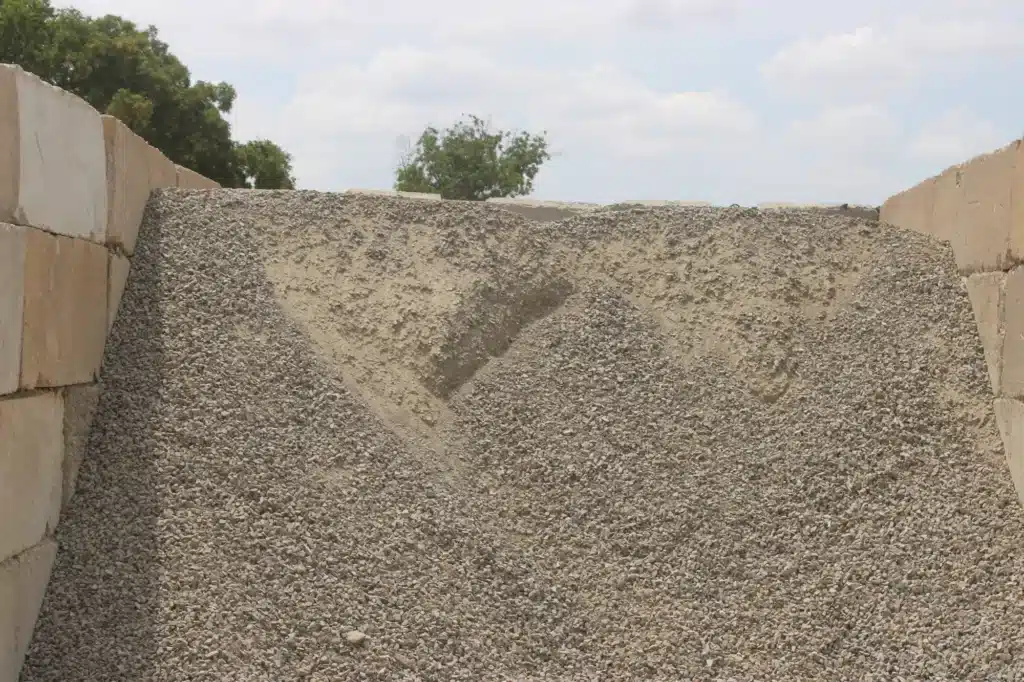
What is road base, and how do you use it under a patio or paver project in McKinney?
Quick answer: Road base is crushed stone with fines that packs hard when compacted. For many residential patio pads, plan a compacted base layer deep enough for continuous coverage after settling, then add the thin bedding sand your paver plan calls for. Use the material calculator or call with length, width, and depth before you order by the yard or by the ton.
In North Texas, clay soils can expand and shrink as moisture changes. A properly prepared base helps create a more stable foundation for patios and pavers. Road base is the compacted gravel layer that carries the load, locks together, and gives cushion sand and pavers something stable to sit on. JBS Express McKinney stocks Road Base 3/4″ for homeowners and crews who need bulk material with pickup or dump truck delivery.
Table of Contents
- What Road Base Is
- Why Road Base Matters for McKinney Patios
- When Road Base Is Not Enough
- How to Build a Road Base Pad Step by Step
- Road Base for Patio Projects
- Road Base vs Cushion Sand vs Screenings
- How Much Road Base Do I Need
- Pickup and Dump Truck Delivery
- FAQs
What Road Base Is
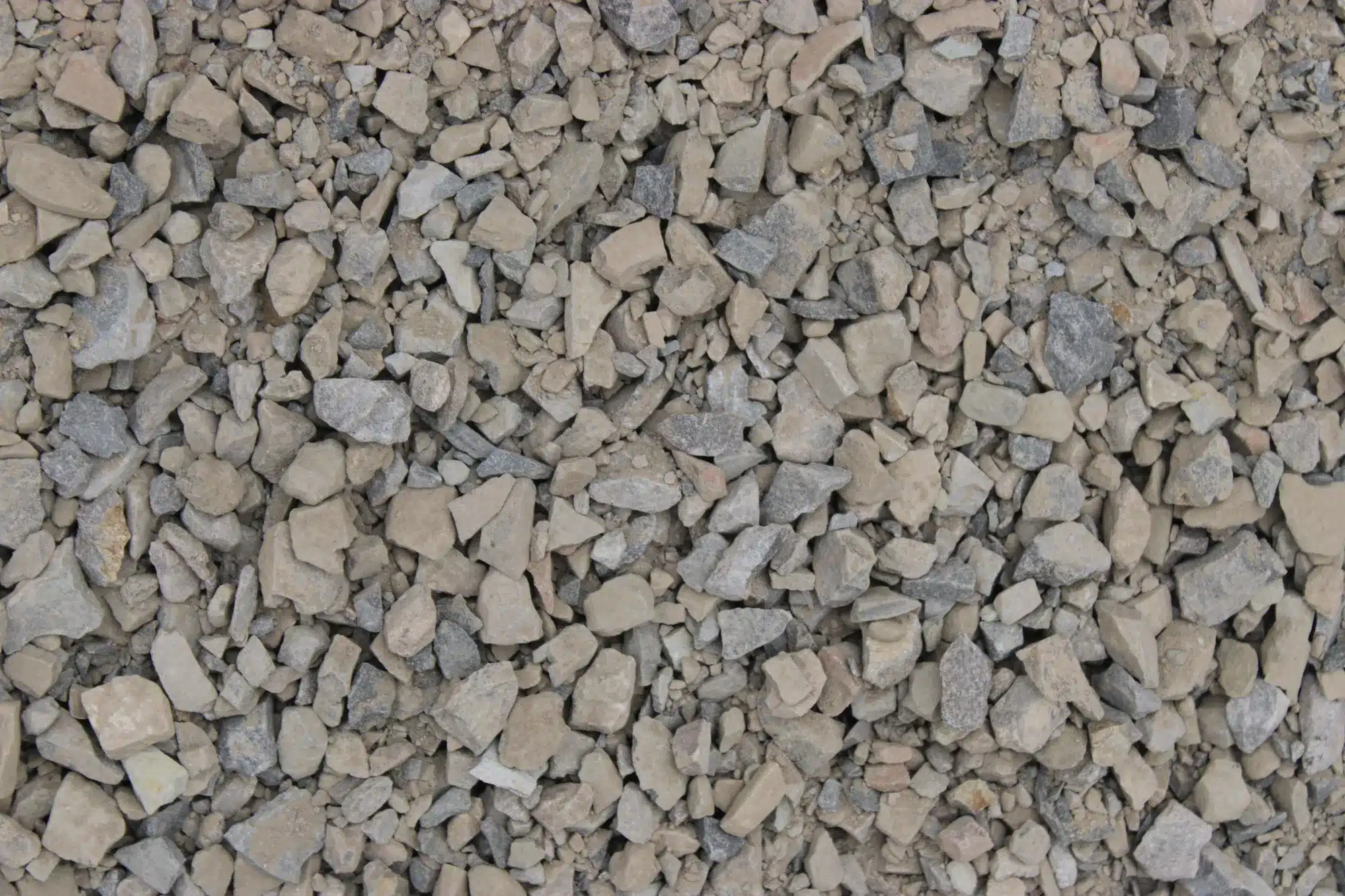
What is road base? It is a blend of angular crushed rock and finer particles (often called fines). The larger pieces form the structure. The fines fill the gaps so the mix locks when you compact it.
People also search for road base gravel because the product looks like gravel in the pile. The difference shows up after compaction. Loose decorative gravel stays loose. Road base is meant to harden into a firm pad.
At JBS Express, the stocked product is Road Base 3/4″. Confirm current pile condition at the yard. Moisture changes how the load handles and how it packs.
Road base is a structural layer. It is not a finished walking surface and not a planting mix.
Why Road Base Matters for McKinney Patios
McKinney and Collin County soils expand when wet and shrink when dry. A patio set on raw clay can rock, settle, or open joints after a few wet-dry cycles.
Road base helps because:
- Angular rock interlocks under a plate compactor.
- Fines help the layer lock instead of rolling like rounded stone.
- A consistent compacted pad spreads load from furniture, foot traffic, and occasional carts.
- A slight grade in the base can send water away from the house before it reaches the sand and pavers.
This is materials and prep work. It does not replace a full structural engineer on commercial jobs or a drainage plan when water already enters the house. For common backyard patios and walkways, a well-built road base pad is the solid start most DIY and contractor installs need.
When Road Base Is Not Enough
Road base solves load-bearing and pad stability. It may not solve:
- Active foundation movement that needs a structural fix
- A yard with no place for water to exit
- Soft fill that was never compacted under the whole patio footprint
- A missing bedding layer when your paver manufacturer requires sand over the base
- Edge restraint problems that let pavers creep outward
- Driveway designs that need a thicker multi-layer section for vehicle loads
If the site stays soggy or the clay is churned soft, fix drainage and subgrade first. Then place road base on a prepared, compacted area.
How to Build a Road Base Pad Step by Step
Use this sequence as a practical homeowner checklist. Follow your paver manufacturer’s specs when they conflict with general advice.
1. Mark the footprint
Outline the patio or walkway. Check gate width and where a dump truck can place the load without blocking the only path into the yard.
2. Excavate to depth
Remove grass, roots, and soft topsoil. Dig deep enough for the compacted road base plus the bedding sand and paver thickness. Leave room for edge restraint if your plan uses it.
3. Set the grade
Slope the excavated pad slightly away from the house so water does not sit against the foundation. A consistent grade matters more than a perfectly flat bathtub shape.
4. Place road base in lifts
Spread the material in layers you can compact well. Deep dumps that never get compacted create soft spots later.
5. Compact thoroughly
Use a plate compactor. Work the whole pad, including edges. Add stone to low spots and compact again until the surface feels firm underfoot.
6. Add the bedding layer
Most concrete paver installs use a thin screeded sand bed over the compacted base. That sand is not a substitute for road base. See the contrast section below.
7. Set pavers and restrain the edge
Lay pavers to your pattern, then lock the perimeter so the field cannot creep. Sweep joint sand as your product requires.
Road Base for Patio Projects
Road base for patio work is a real use case, even when search volume for that exact phrase is low. The focus product is still road base. The patio is the job.
For patio pads in McKinney:
- Keep the base continuous under the full paved area, not just a thin ribbon at the edges.
- Compact to a firm finish before you screed sand.
- Match depth to stone size, expected load, and your installer plan. Depth is not one universal number for every yard.
- Bring patio dimensions and a photo of the site when you visit the yard so staff can help you estimate volume.
Heavy furniture zones and outdoor kitchens need the same full pad. Do not skimp under the grill pad while packing the rest.
Road Base vs Cushion Sand vs Screenings
Keep the layers separate so you do not buy one product for two jobs.
- Road base: Compacted structural pad under hardscape. Carries load on clay.
- Cushion sand: Thin bedding and leveling layer over a firm base before pavers. Details live in our cushion sand guide.
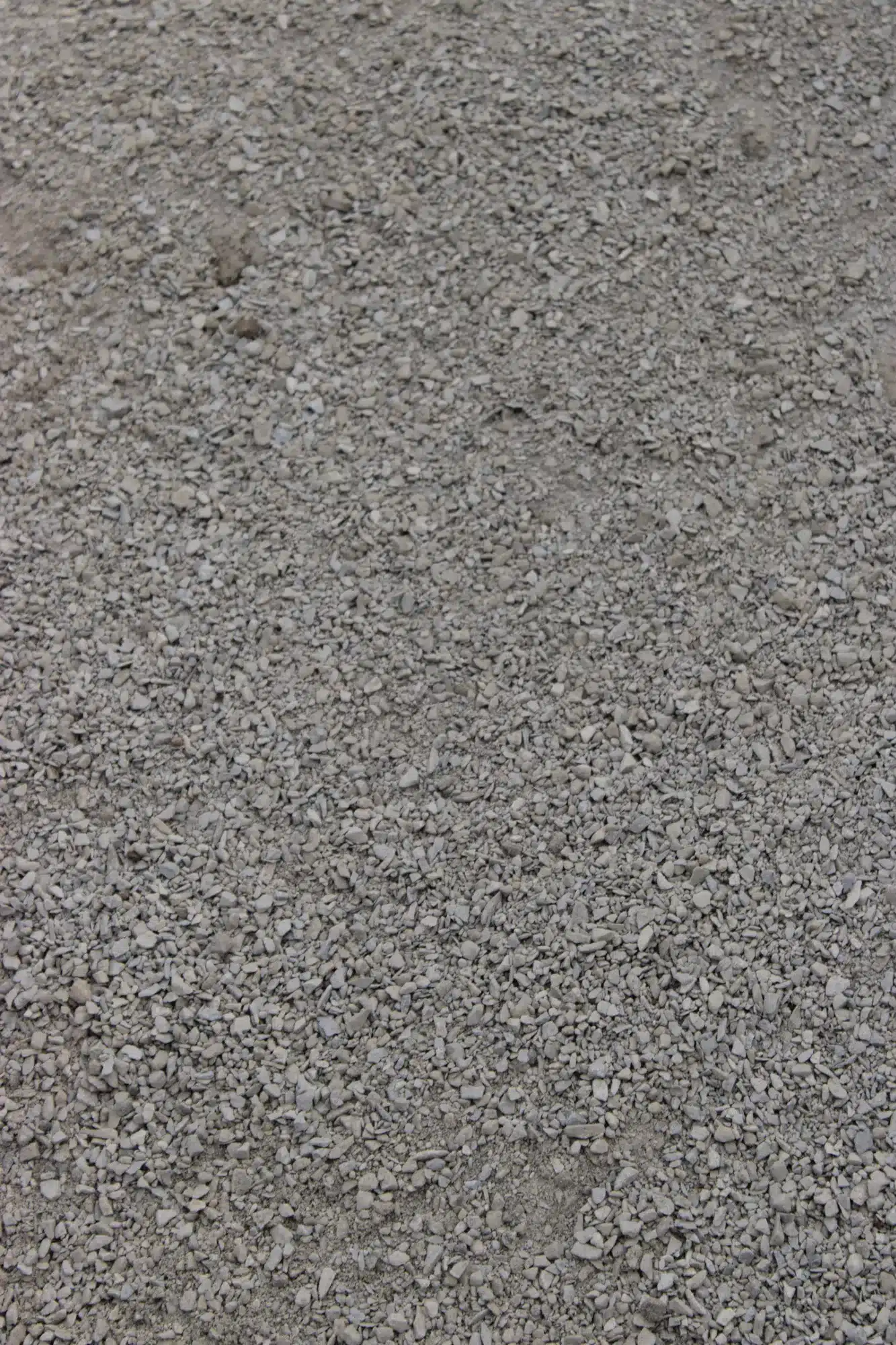
- Limestone screenings: Finer crushed limestone used in some base and path jobs. Different texture and behavior than 3/4″ road base. Ask at the yard which pile matches your plan.
Skipping road base and putting sand straight on clay is a common McKinney mistake. The sand migrates. The pavers rock. The fix usually means pulling the patio apart.
How Much Road Base Do I Need
How much road base do I need depends on area and compacted depth.
Formula: length (ft) × width (ft) × depth (ft), then divide by 27 for cubic yards.
That gives you cubic yards. Your final tonnage depends on moisture and density, so confirm the conversion with JBS before ordering by weight. A road base calculator on the site helps when you already know square footage and target depth.
Starting points (confirm for your site):
- Patio and walkway pads: many residential installs use several inches of compacted base; exact depth varies with stone size, load, and installer specs
- Vehicle areas: thicker sections than a foot-traffic patio
- Thin dusting layers: not enough for a structural pad
Consider allowing some extra material for uneven excavation, low spots, and job-site adjustments. JBS can help you determine an appropriate amount based on your measurements and project conditions. Use the material calculator or call (469) 972-8818 with length, width, and depth.
Pickup and Dump Truck Delivery
Small DIY patio loads may fit a pickup if you tarp the bed and respect weight limits. Road base is dense. A deep truck bed can exceed safe payload faster than it looks.
For larger pads, JBS Express delivers loose bulk material by dump truck. Share these details when you request a quote:
- Address and city
- Approximate cubic yards or square footage and depth
- Gate width, overhead lines, and dump spot
- Whether the load can sit on driveway, side yard, or street front
Dump trucks carry road base and other loose aggregates. Flatbeds are for slabs, pavers, and pallet stone that should not be dumped. If you are ordering base and pavers together, tell dispatch so the truck plan matches the mix.
We deliver from our McKinney yard to nearby cities. Quotes depend on distance and load size.
Yard hours: Monday through Friday, 7:00 AM to 5:00 PM. Saturday, 7:00 AM to 2:00 PM. Sunday closed.
FAQs
Is Road Base the Same as Regular Gravel?
No. Road base includes fines that help it lock when compacted. Many decorative gravels stay loose and are better as finish stone, not as a patio pad.
Can I Use Road Base Under Pavers?
Yes. Compacted road base is commonly used as a structural layer under concrete pavers when it matches the project and installation specifications. Add the bedding sand your paver plan requires on top of the compacted base.
How Deep Should Road Base Be for a Patio?
Depth depends on stone size, soil, load, and your installer or manufacturer guidance. Aim for continuous coverage after compaction, not a thin patchy layer. Confirm depth at the yard with your measurements.
Do I Need Fabric Under Road Base?
Some installs use fabric under the base on soft soils. It is not automatic for every patio. Ask your contractor if the subgrade is weak or saturated.
Can I Pick Up Road Base in McKinney?
Yes. JBS Express McKinney stocks Road Base 3/4″ for yard pickup and can schedule dump truck delivery for larger loads. Call (469) 972-8818 to confirm availability before you drive over.
What Should I Bring When I Request a Quote?
Bring or send length, width, target depth, city, and photos of access. That is enough for a practical bulk estimate.
Get Road Base from JBS Express McKinney
If you want road base that sets up a patio or walkway the right way, start at the yard where you can see the material before you order. JBS Express McKinney supplies Road Base 3/4″ for homeowners and crews, with pickup or dump truck delivery.
Bring your patio measurements. We will help you turn square feet into cubic yards, confirm stock of Road Base 3/4″, and set up delivery if a pickup will not cover the load.
Visit the shop this week, call (469) 972-8818, or request a quote so your base is ready before the pavers go down.