
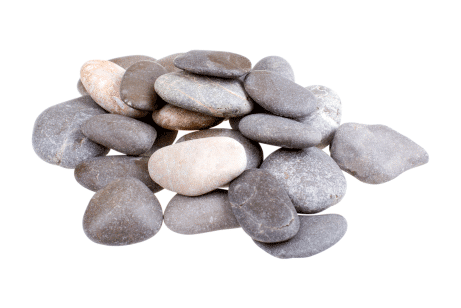
Do you need landscape fabric under river rock? Sometimes yes, sometimes no. Fabric is a tool. Used well under decorative river rock, it slows weeds from below and keeps stone from mixing into soft soil. Used poorly — especially in silty runoff or on steep grades — it can clog with fines, wrinkle up through the rock, and turn a simple bed into a repair project.
This guide explains when fabric helps, when to skip it, and how to prep the ground either way. JBS Express supplies landscape rock and bulk materials; we do not install fabric or landscaping. Your plan and installer own the detailing.
What fabric is supposed to accomplish
- Reduce weeds growing up from soil
- Separate decorative stone from mud
- Give a cleaner rock-mulch look with less mixing over time
Fabric does not fix bad grade. Rock on top of a ponding low spot still looks like a pond after storms. Solve drainage and slope first.
When fabric under river rock makes sense
Flat or gently graded decorative beds with a history of weeds are the usual win. Foundation beds and tree rings where you want a tidy rock finish often benefit from quality landscape fabric under two to three inches of river rock. Overlap seams, pin edges, and keep fabric below the finished rock depth so it does not show.
Use fabric rated for landscape use. Thin plastic that blocks all water is a different product and can create new moisture problems against foundations and plant roots.
When to skip fabric
- Working drainage channels with heavy sediment — fines settle on fabric and form a crust.
- Beds you dig often for irrigation, lighting, or seasonal plants — fabric becomes a nuisance.
- Large bull rock or boulders that need to seat into soil for stability — see bull rock and our bull rock vs river rock guide.
- Engineered swales where the plan specifies a different separator or open-graded section.
Fabric vs a gravel base
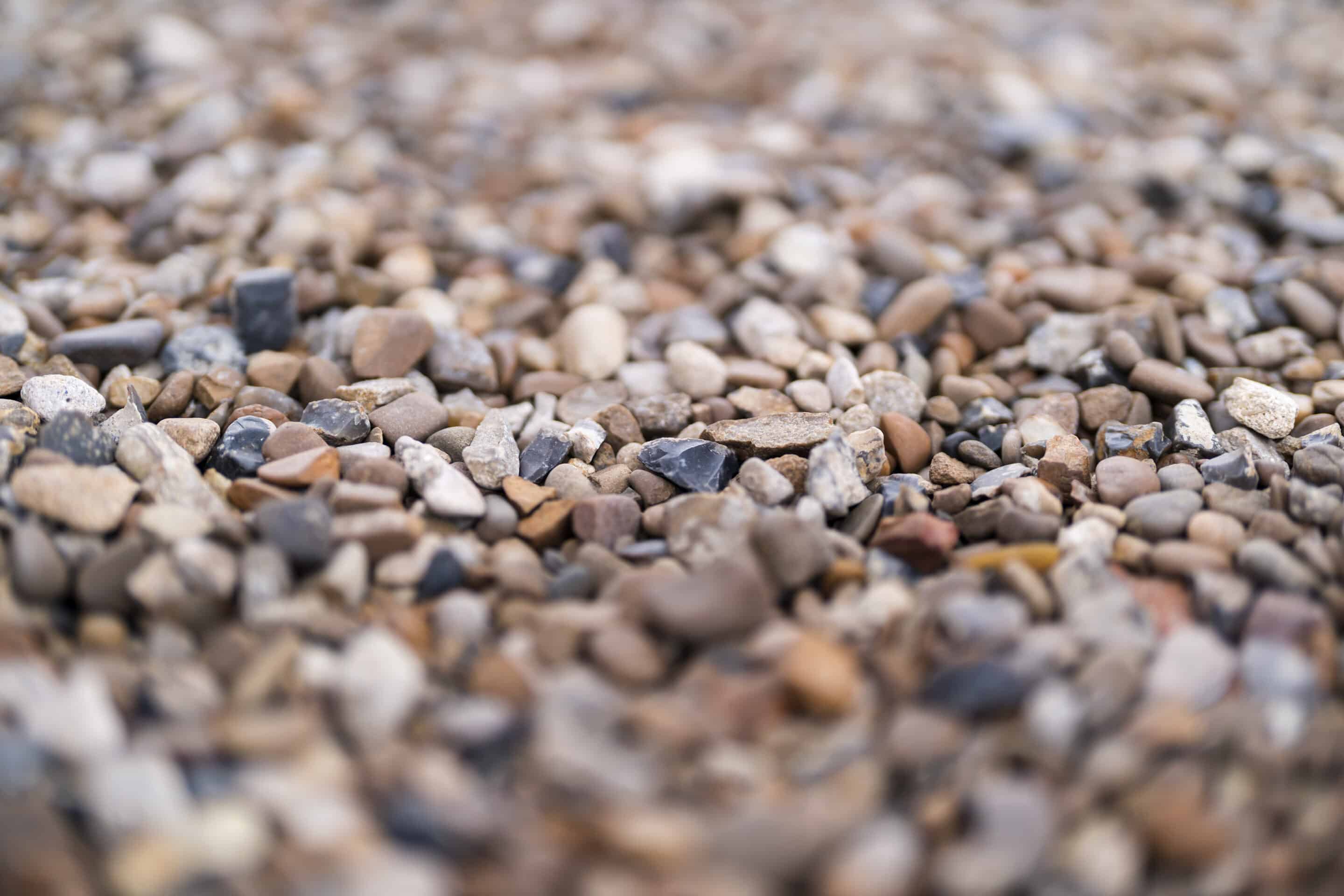
Some sites need a compactable base under decorative stone more than they need fabric. Where water concentrates or clay pumps, a thin gravel base can support the finish rock better than fabric alone. Decorative river rock is the top layer — not the entire drainage system. For drainage intent, read best rock for drainage. For rock sizing and depth, see the river rock landscaping guide.
Step-by-step bed prep
- Remove grass, roots, and soft organic soil from the footprint.
- Grade so water moves the direction you want — usually away from the house.
- If using fabric, roll it smooth, overlap seams several inches, and secure edges.
- Place river rock to planned depth. Too thin and fabric or dirt shows; too thick and you waste stone.
- Install edging so rock stays out of lawn and beds stay crisp.
Take progress photos. If something looks wrong after the first rain, you will know whether fabric wrinkled, rock was too thin, or grade failed.
Weeds after you finish
Fabric reduces weeds from below. It does not stop seeds that blow onto the rock surface. Plan on occasional hand weeding. “Forever weed-free” claims are marketing. Spot-treat or pull seedlings while they are small so they never establish in the stone.
Depth and quantity
Decorative river rock beds often land around two to three inches deep after settling. Dry creeks may need more. Calculate cubic yards as length × width × depth ÷ 27, then add a little extra. Use the material calculator and confirm at the yard. Call (469) 972-8818 if the shape is irregular.
Delivery notes
Bulk river rock usually arrives by dump truck. Mark where fabric ends and where the truck can dump without tearing the barrier if fabric is already placed — many crews place rock first in sections or dump on plywood and wheelbarrow onto fabric. Coordinate that sequence before delivery day.
Planting through rock and fabric
If you still want shrubs in a rock bed, cut clean Xs in fabric rather than tearing random holes. Fold flaps under so edges do not climb into view. Leave a soil or mulch collar at the trunk — piling river rock against bark invites rot.
Irrigation emitters clog when buried under deep rock. Mark drip lines before you place stone, or run lines in sleeves your irrigation tech can service.
Repairing a failed fabric bed
Classic failure: fabric exposed in wrinkles, rock too thin, weeds in the seams. Fix by removing rock in sections, re-stretching or replacing fabric, then restoring depth. Spot-dumping more rock on wrinkled fabric only hides the problem until the next windy week.
If silt has crusted on fabric in a drainage run, remove fabric from that zone and rebuild with the stone and base your drainage plan calls for.
Alternatives to fabric
- Deeper rock alone on well-prepped soil for low-weed sites
- Temporary cardboard sheet mulch under rock for DIY beds (breaks down; not for engineered drains)
- Compacted gravel base under decorative rock where structure matters more than weed barrier
- Planted groundcover instead of rock where you want living cover
Pick the simplest system that matches how you maintain the yard. Complexity without a maintenance plan fails first.
Seasonal timing
Install rock beds when you can keep irrigation and foot traffic off soft mud. Summer heat makes dark rock uncomfortable to hand-place midday — schedule early mornings. Fall installs before leaf drop mean you will clean the bed once; installs in peak leaf season need an extra blow-out.
After install, walk the bed after the first heavy rain. Look for exposed fabric, thin spots, and rock that washed into the lawn. Small corrections in week one prevent a full rebuild next spring. Keep a spare half-yard of matching river rock if color continuity matters — future top-offs are easier when the pile still matches.
If you are choosing between rock mulch and organic mulch for the same bed, remember fabric decisions change. Organic mulch is usually placed without the same fabric debate; rock mulch is where fabric questions show up. Keep the two finishes in separate beds when possible so maintenance stays simple.
One more practical tip: photograph the fabric brand and the rock pile on install day. Future you — or a future homeowner — will thank you when it is time to top off matching stone or replace a torn section without guessing what was used.
FAQs
Can I put river rock directly on dirt?
Yes if the soil is graded and weeds are managed. Fabric is optional, not mandatory for every bed.
Does fabric stop all weeds?
No — it helps with weeds from soil. Seeds on top still sprout.
Should fabric go under pea gravel too?
Same logic: helpful on flat decorative beds, less helpful in clog-prone drains. Still choosing the surface? Read pea gravel vs decomposed granite.
Do you sell landscape fabric?
Our focus is stone, gravel, mulch, and soils. Confirm accessories when you visit, or bring fabric from your supplier and order rock from us.
Will fabric make my rock bed hotter?
Rock color and sun exposure drive heat more than fabric. Light-colored rock stays more comfortable than dark rock in full sun.
Next step
Decide fabric from weed history and water behavior, then order the right river rock depth. Browse river rocks, review the river rock guide, or request a quote / call (469) 972-8818.