
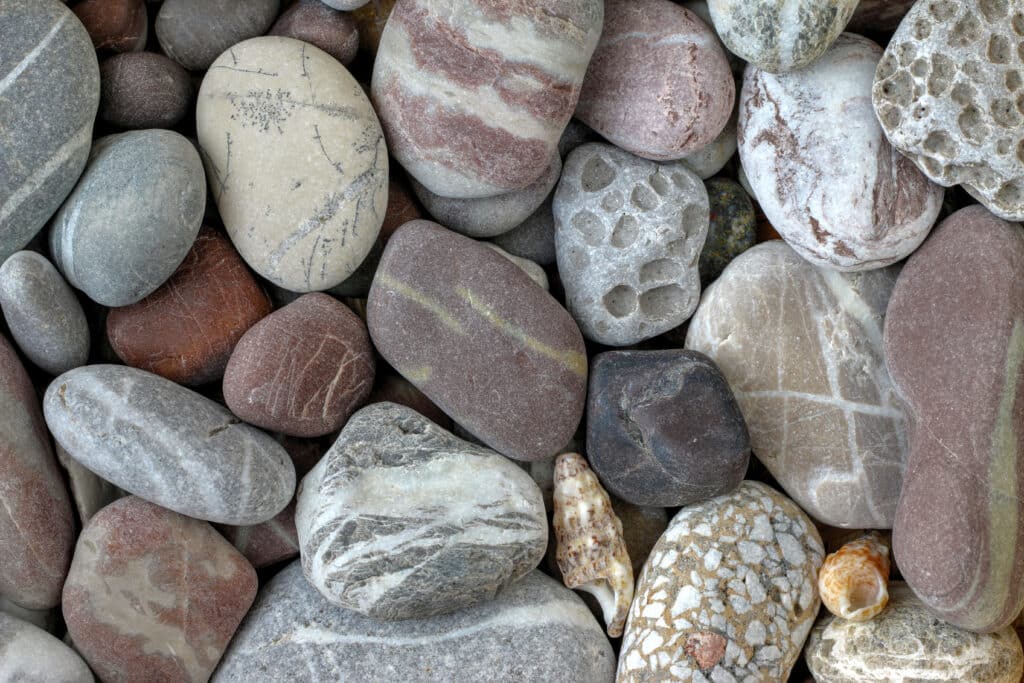
When it comes to creating a beautiful outdoor space, one of the first questions many homeowners ask is, which stone is best for a garden? Choosing the right stone can make a big difference in your garden design, from the look of your garden bed to how well your landscaping handles drainage and weeds. We’ll explore different types of garden stones, their uses, and how to select the right stone for your garden so you can create a space you love.
Understanding Your Garden and Landscape Needs
Before you learning which stone is best for a garden, it’s important to think about your garden’s purpose and layout. Are you planning a small garden with a few flower beds, or a large garden with pathways, patios, and a water feature? The right stone will depend on your outdoor space, the type of soil, and the overall style you want to achieve.
Landscape rocks and garden stones can serve many purposes. They can be a decorative accent, help with weed control, improve drainage, or even act as a boundary for a garden bed. By understanding your garden’s needs, you can choose the right stone for your garden and avoid problems like erosion or stones that are uncomfortable to walk on.
Popular Types of Garden Stones
There are many types of landscaping stones available. Here are some of the most common options:
-
- Gravel: Small and versatile, gravel is great for pathways, driveways, and areas that need good drainage. Crushed gravel can help prevent weed growth and is easy to maintain.
- Pea Gravel: Smooth and rounded, pea gravel works well for garden paths and patios. Pebbles are the perfect choice for adding texture to a garden bed.
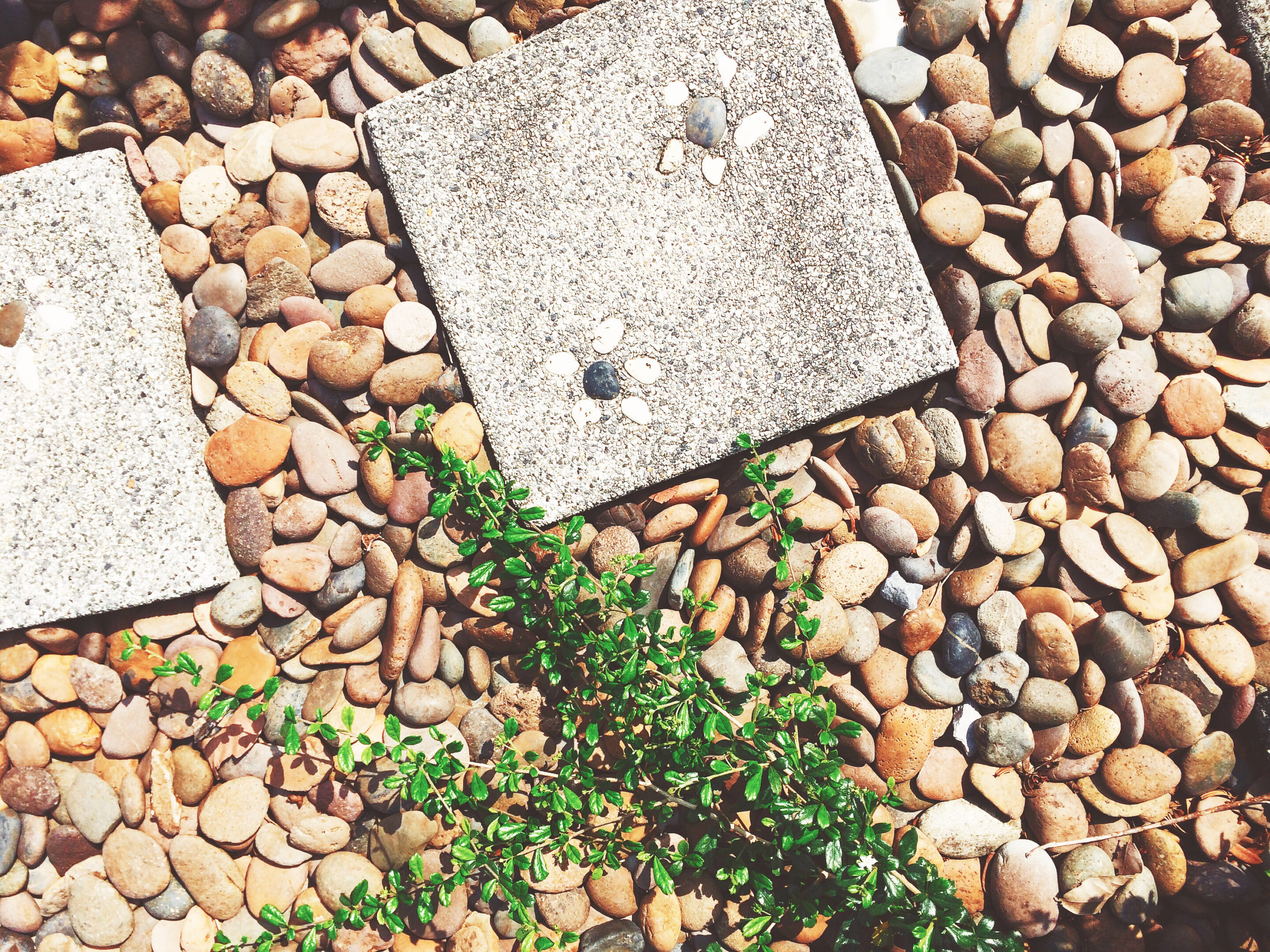
- Flagstone: Large, flat stones that are perfect for creating patios, stepping stones, and raised fire areas. Flagstone gives a natural and elegant look.
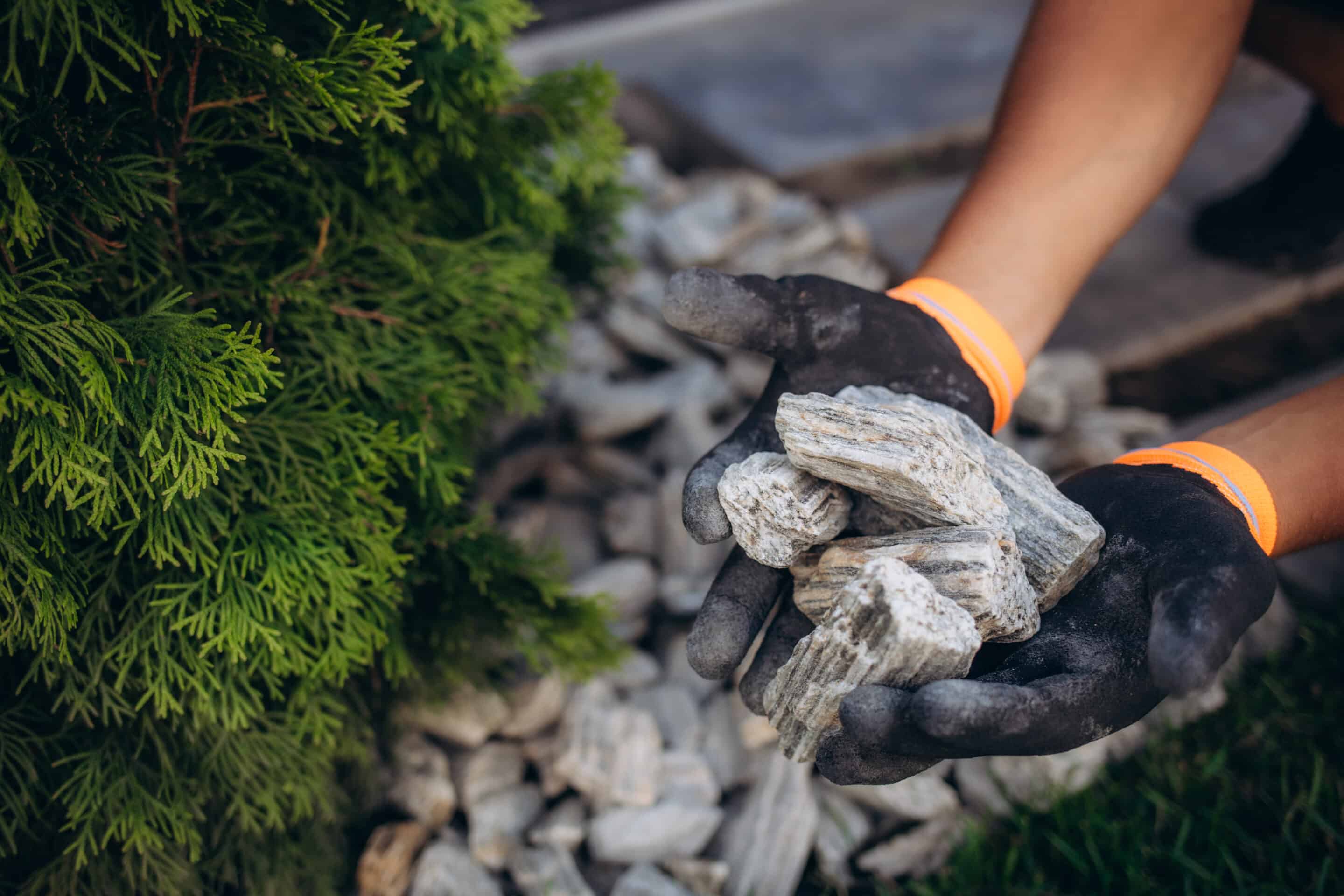
- Cobble: Larger stones that can be used to create borders, garden edges, or even dry creek beds. Cobble is excellent for adding a bold focal point.
- Granite: Strong and durable, granite is ideal for outdoor spaces that require long-lasting stone, such as driveways or hardscaping features.
- Limestone: Available in a variety of colors, limestone is a classic choice for pathways, garden beds, and patios.
- River Rock: Rounded and smooth, river rocks are excellent for water features, garden beds, and xeriscaping.
Each type of stone has its advantages, so it’s important to choose the right stone for your specific garden design.
How to Choose the Right Stone for Your Garden
Choosing the right stone is about more than just looks. Here are some key points to keep in mind:
-
- Consider your garden design: Think about your garden bed, walkways, patio, and water features. The stone you select should complement the overall landscape.
- Think about comfort underfoot: Smaller stones like pea gravel are comfortable to walk on, while larger stones or cobbles may be better as accents or edges.
- Check for drainage needs: Stones like crushed gravel or cobble can improve drainage in wet areas. Proper drainage prevents water from pooling around your plants.
- Look at weed control: Some stones, like pea gravel and crushed stone, help reduce weed growth. Adding a layer of mulch or landscape fabric under the stones increases this effect.
- Mix and match stones: Combining different sizes and colors of garden stones can create a more natural and appealing look. For example, using cobbles and pebbles together in a rock garden.
- Durability matters: Stones like granite and flagstone are long-lasting and can handle heavy foot traffic or outdoor features like a fire pit or raised patio.
By choosing which stone is best for a garden, you can create a garden that is both functional and beautiful.
Creative Ways to Use Garden Stones
Garden stones aren’t just for covering the ground. They can also help you design a space that feels natural and inviting:
-
- Garden paths: Stepping stones, flagstone, or pea gravel work well for creating pathways through your garden.
- Garden beds and edges: Stones can define garden beds and keep mulch or soil in place. Cobble or larger boulders make excellent edges.
- Water features: River rocks and larger stones create natural-looking streams, dry creeks, or pond borders.
- Patios and seating areas: Flagstone or pavers make a great foundation for patios or fire pit areas.
- Focal points: Large boulders or decorative stones can serve as the focal point of a garden or outdoor space.
Using stones in multiple ways will make your garden look more cohesive and thoughtfully designed.
Why JBS Express Is the Best Choice for Garden Stones
When choosing the right stone for your garden, JBS Express offers high-quality options that suit any outdoor space. Here’s why we stand out:
-
- Wide selection: We carry a variety of garden stones, from pea gravel to large boulders, flagstone, and river rocks.
- Quality you can trust: Every stone is carefully sorted and prepared, ensuring consistency and beauty in your landscape.
- Expert guidance: Our team helps you find the perfect stone for your garden design, whether you are building a small garden or a large landscape.
- Convenience: Delivery options make it easy to get the stones you need, right when you need them.
- Experience: We have years of experience helping homeowners and landscapers find the right stone for their garden beds, patios, and walkways.
Choosing JBS Express ensures that your garden stones not only look great but also last for years to come.
Tips for Maintaining Your Stone Garden
Once you have chosen your garden stones, proper care will keep your garden looking fresh and beautiful:
-
- Keep stones clean: Rinse gravel or pebbles occasionally to remove dirt and debris.
- Control weeds: Add a layer of landscape fabric under the stones or apply mulch around edges to prevent weeds.
- Check drainage: Ensure that water flows properly to avoid pooling, especially around patios or water features.
- Replace or rearrange stones: Over time, some stones may shift. Regularly check pathways and garden beds to maintain their appearance.
- Combine with plants: Garden stones work beautifully with flowers, shrubs, and succulents. Plant around stones to soften hard edges and create a natural look.
Proper maintenance will keep your garden looking well-designed and inviting for years.
Final Thoughts on Which Stone Is Best for a Garden
Deciding which stone is best for a garden depends on your goals, garden size, and style preferences. From pea gravel for comfortable walkways to large boulders for focal points, there are many options to choose from. By choosing the right stone, you can create a garden that is both functional and beautiful, with proper drainage, weed control, and a design that fits your outdoor space.
Remember, your garden is an extension of your home, and selecting the right stones can enhance the overall landscape. Whether you’re planning a small garden bed or a large garden with a patio, JBS Express can help you find the perfect garden stones to bring your vision to life.
With the right landscaping stone, a little creativity, and some expert guidance, your garden can become a stunning outdoor space that you’ll enjoy for years to come. So, take the time to consider your options, mix and match stones, and create a garden that reflects your style and needs.
FAQs
Which stone is best for garden paths?
Flagstone provides a firm, flat path, while pea gravel is softer underfoot. Both work well with proper edging.
How do I prevent weeds with stones in my garden?
Lay landscape fabric under your stones and spread gravel or pebbles on top. This blocks sunlight and stops weeds from growing.
What stone is best for drainage in a garden?
Gravel and river rock drain water well and keep the soil from getting too wet.
Can I use the same stone for a patio and a garden bed?
Yes, but choose the right stone for your garden. Flagstone works for patios, and pea gravel works well in garden beds.
Is pea gravel good for gardens?
Yes, pea gravel looks nice and drains well. It is good for paths and spaces between stepping stones.
Wondering which stone is best for a garden? Let JBS Express help you find the perfect garden stones to match your outdoor space, whether it’s a small garden bed or a large landscape. Contact us today at (469) 972-8818.
Also read:
How To Make A Garden Stone?
How To Clean Landscape Stones?
Where To Get Landscaping Stones
Which stones look right around a flower bed
Searches for which stones look the best around a flower bed are really about scale and contrast, not a single winning mineral. Small beds usually want smaller stone: pebbles, pea gravel, or a short chop border. Large beds can take river rock or a boulder accent without swallowing the plants.
- Border: chopped stone or a defined stone edge so mulch and gravel stay in the bed.
- Groundcover in the bed: gravel or pebbles if you are done replacing mulch every season; keep depth modest so crowns are not buried.
- Accent: one or two boulders, not a ring of identical rocks around every plant.
Light flowers read well against black Tejas gravel. Dark foliage pops on Austin White or pale pea gravel. Look at both at the yard; phone photos flatten contrast.
JBS supplies the stone. Planting design is yours or your landscaper’s. Call (469) 972-8818 if you want to match a border to an existing pile.