
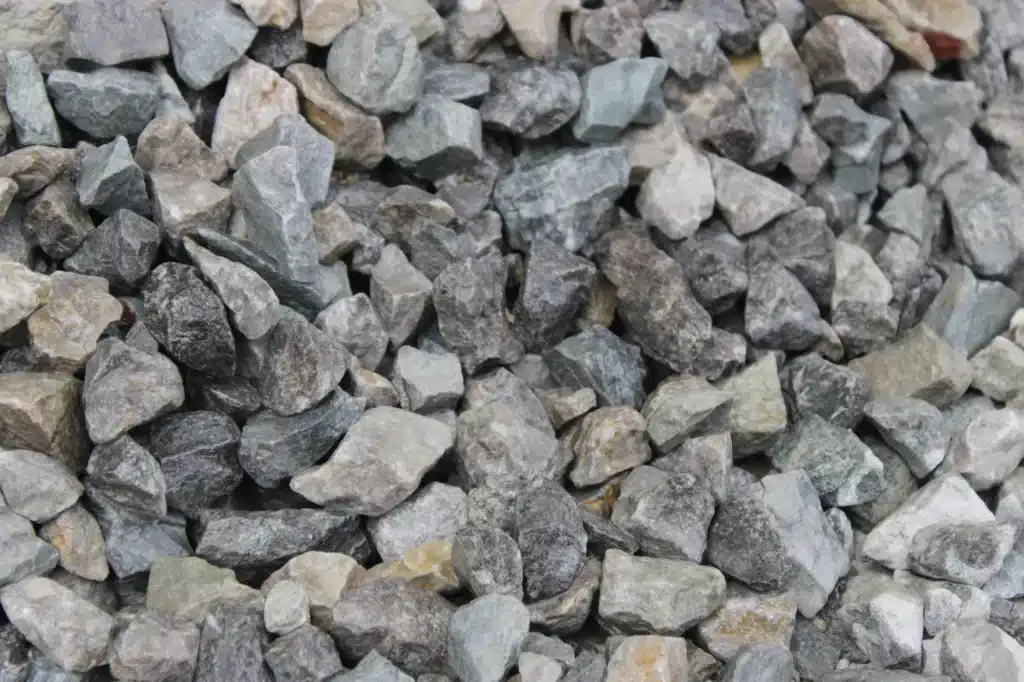
What is expanded shale, and when is it the right bulk material for a bed, planter, or drainage layer?
Quick answer: Expanded shale is clay or shale that has been heated until it pops into a light, porous aggregate. Water moves through it, and it weighs less than crushed limestone or road base. People use it to loosen heavy soil, fill large planters, and build drainage layers. It is not a compacted driveway base, and it is not topsoil.
Confirm what is on the ground before you order. JBS Express McKinney stocks heavier aggregates and soils that cover many of the same jobs, including Limestone 1″, limestone screenings, topsoil, and compost. Call the yard and ask what is piled that week if you need a lightweight amendment specifically.
Table of Contents
- What Expanded Shale Is
- When Expanded Shale Is a Good Fit
- When Another Material Is Better
- How to Plan the Job
- Depth, Quantity, and Ordering
- Materials to Compare at the Yard
- Pickup and Dump Truck Delivery
- FAQs
What Expanded Shale Is
Expanded shale starts as ordinary shale or clay. A kiln heats it until gases inside the rock expand and the pieces set into hard, honeycombed pellets. The finished aggregate is still stone. It does not break down like bark, and it does not turn into soil.
The porous shape is the whole point. Air and water can move through the voids. A cubic yard of expanded shale is lighter than a cubic yard of dense crushed rock, which is why roof planters, large pots, and upper-story beds sometimes specify it. The same lightness is a drawback under tires. It does not lock the way angular road base does.
Color is usually tan, rust, or gray-brown. Size varies by producer. “Expanded shale” describes the process, not one universal pile.
When Expanded Shale Is a Good Fit
Expanded shale earns its place when weight or drainage is the problem:
- Heavy clay that stays wet around plant roots and needs a mineral amendment mixed in, not a surface sprinkle
- Large planters and raised beds where a full load of crushed rock would be hard to move and hard on the structure
- A drainage layer under a soil mix, where you want voids that do not collapse when watered
- A lightweight fill where the design calls for aggregate instead of soil
It can also loosen a planting mix when blended with compost and soil. Used alone, it is a poor growing medium. Plants still need organic matter and fines that hold some moisture and nutrients.
When Another Material Is Better
Skip expanded shale when the job is really about load or a finished surface:
- A driveway, parking pad, or patio base that must compact. Use a structural aggregate such as road base, and follow the depth your paver or concrete plan calls for.
- A decorative path where you want a specific color. Expanded shale is a functional aggregate, not a design gravel.
- A bed that only needs organic matter. Compost changes the soil. Expanded shale changes the pore space.
- A site that floods. No aggregate fixes a yard with nowhere for water to leave. Grade and drainage come first.
If the goal is a firm pad, read the road base guide once and stay with that material. This post stays on planning expanded shale and on knowing when a stocked aggregate is the better order.
How to Plan the Job
Start with the use, not with a dump in the driveway.
1. Name the job
Write down whether this is a soil blend, a planter fill, a drainage layer, or a lightweight fill. Those four uses do not share one depth.
2. Check the structure
Planters, decks, and roof areas have weight limits. Expanded shale is lighter than limestone, but a wet load still has weight. If a structural note exists, follow it.
3. Decide on a blend
For in-ground beds, mix the aggregate into the planting zone instead of burying a pure layer under the roots. A pure layer can become a shelf that water sits on. For planters, a coarse layer at the bottom plus a soil blend above is a common approach. Match the mix to the plants.
4. Keep it in the bed
Edging keeps loose aggregate out of turf. Slope the bed so water does not sit against the foundation. Expanded shale drains, but it does not replace a drain line.
Depth, Quantity, and Ordering
Depth follows the use. A drainage layer might be a few inches. A soil blend uses less aggregate than a full-depth fill of the same bed, because soil and compost make up the rest of the volume. A planter fill uses the interior dimensions, not the outside footprint of the pot.
Formula: length (ft) × width (ft) × depth (ft), then divide by 27 for cubic yards. For a blend, multiply that volume by the share that is aggregate. If shale is about a third of the mix, order about a third of the bed’s cubic yards, then add a little for waste.
Tonnage is a poor way to compare expanded shale with limestone. The light aggregate takes more volume per ton. Order by the cubic yard unless the supplier sells a known bag or yard weight and you convert on purpose.
Use the material calculator for the bed or planter volume, then call (469) 972-8818 with the dimensions and the job type. Say whether you need a lightweight amendment or a compacted base. That one sentence keeps the wrong pile off the truck.
Materials to Compare at the Yard
Look at real piles before you commit. These are the materials JBS Express keeps for the jobs people often confuse with expanded shale:
- Limestone 1″ for a heavier crushed aggregate when the plan wants angular rock, not light pellets
- Limestone screenings when you need fines that pack, including under pavers and as a tight surface
- Topsoil when the bed needs a growing medium, not just pore space
- Compost when the soil needs organic matter mixed into the planting zone
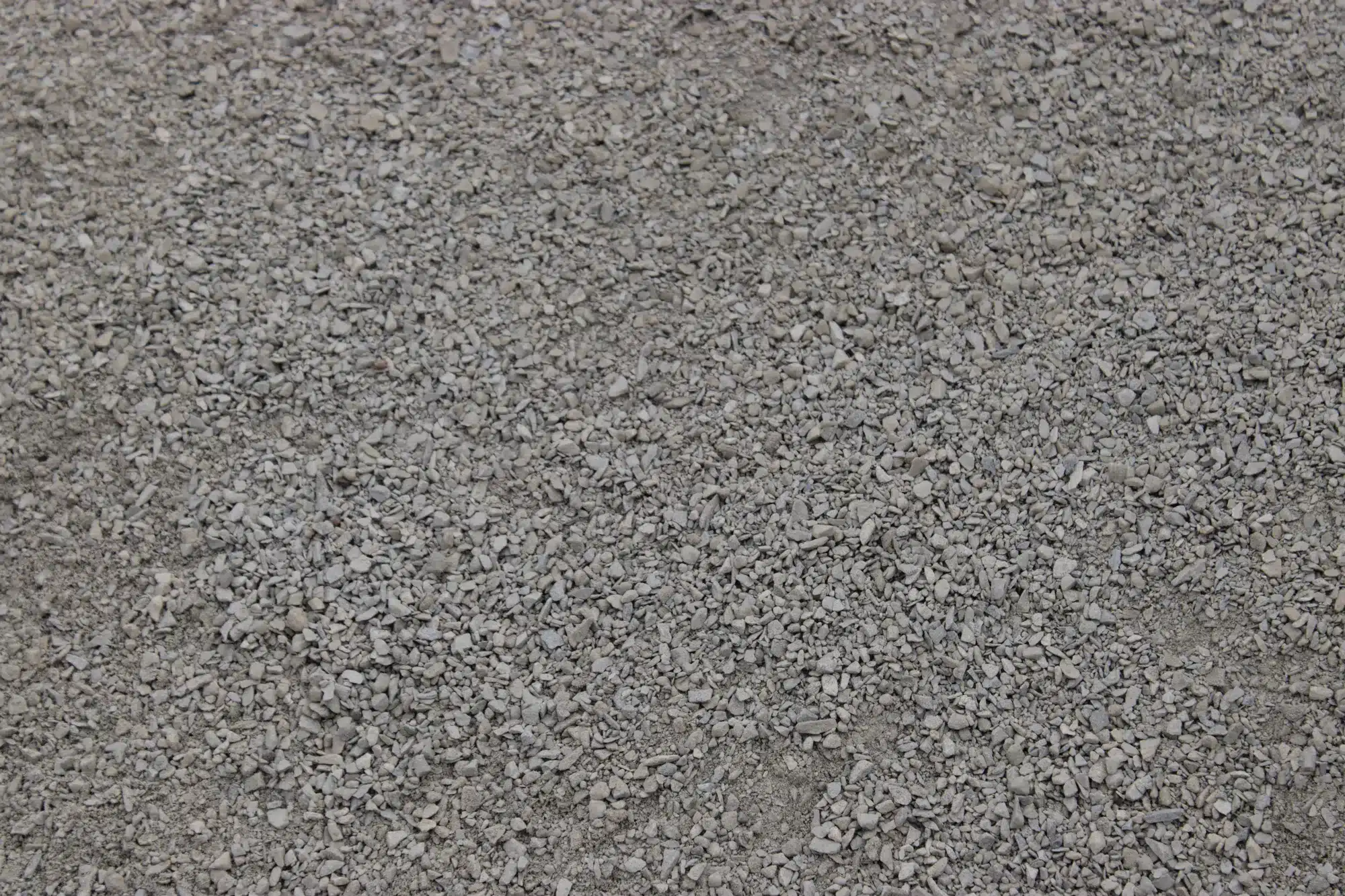
The photo above is limestone screenings at the yard. It is crushed rock with fines. It is not expanded shale. Screenings pack. Expanded shale stays loose and porous. If your plan calls for the light aggregate and the yard does not have that pile this week, ask before you substitute. A heavier rock can overload a planter that was designed for expanded shale.
Pickup and Dump Truck Delivery
A full bed or a row of large planters is usually a bulk load. Expanded shale is light for its volume, so a truck can look full before it hits the weight people expect from limestone. Tell the dispatcher the cubic yards, not a guessed tonnage copied from a gravel order.
For stocked aggregates and soils, JBS Express delivers loose bulk material by dump truck. Share these details when you request a quote:
- Address and city
- Cubic yards, or length, width, and depth
- Whether the material is a soil blend, a base, or a planter fill
- Gate width, overhead lines, and where the load can sit
Dump trucks drop loose material. Flatbeds are for slabs and other pieces that should not be dumped. Yard hours are Monday through Friday, 7:00 AM to 5:00 PM, and Saturday, 7:00 AM to 2:00 PM. Sunday is closed.
FAQs
Is expanded shale the same as limestone?
No. Expanded shale is a kiln-fired, porous lightweight aggregate. Limestone at the yard is crushed stone. They do not compact or weigh the same, so they are not automatic substitutes.
Can I use expanded shale as a driveway base?
No. It does not lock under traffic the way a compacted base does. Use a structural material such as road base for pads and driveways.
Does expanded shale replace compost?
No. It changes drainage and weight. Compost adds organic matter. Beds often need both ideas, not one pile pretending to be the other.
How deep should I spread it?
Use the depth in your plan. A drainage layer and a soil blend are different volumes. Measure the area, convert to cubic yards, and reduce the order if the shale is only part of the mix.
Can I pick up bulk material in McKinney?
Yes. JBS Express McKinney loads stocked stone, gravel, soil, and compost for pickup or dump truck delivery. Call (469) 972-8818 and name the job so the yard can tell you what is on the ground.
Plan the Load Before You Dig
Expanded shale is worth using when you need a light, porous aggregate in a bed, planter, or drainage layer. It is the wrong order when you need a compacted base or a true planting soil.
Bring the measurements to the yard, compare the piles you can actually see, and order the material that matches the detail. Call (469) 972-8818, contact the yard, or request a quote before the truck is scheduled.