
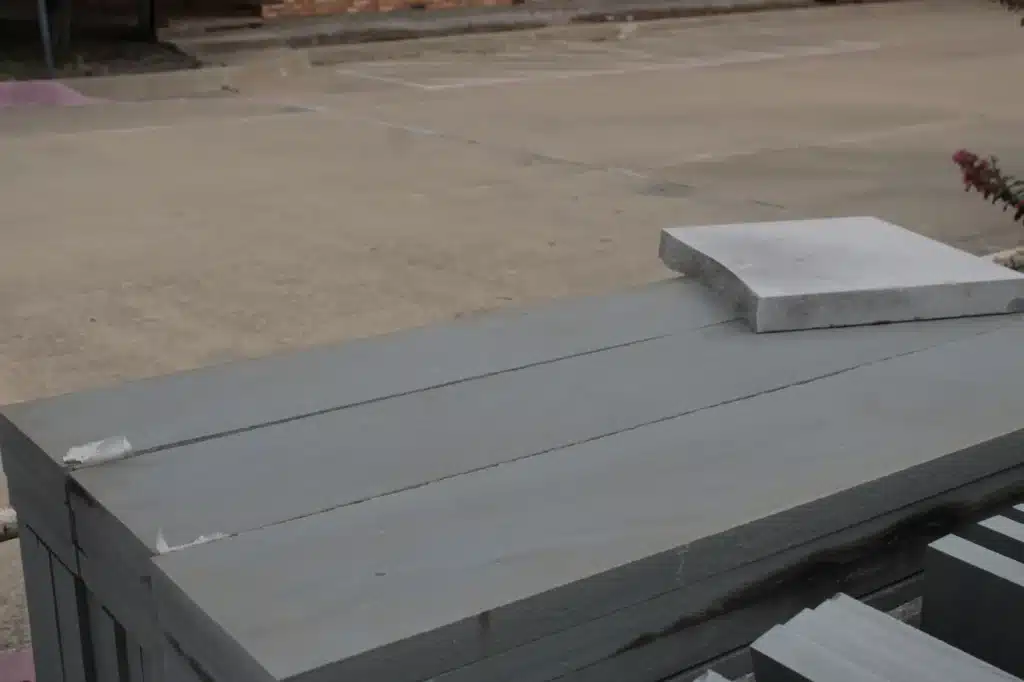
Winter landscaping mckinney focuses on shielding plants from sudden freezes and dry winds by layering protective mulch and strategic stone placements around beds and foundations. Homeowners in the area use these materials to moderate soil temperature swings, retain moisture, and reduce root exposure during the coldest months.
Quick answer: Apply 3 to 4 inches of organic mulch such as shredded hardwood or pine bark around the base of shrubs and perennials, keeping it a few inches from stems. Add a border of 1- to 3-inch river rock or crushed limestone along the outer edge of beds to anchor the mulch and improve drainage on local clay soils. This combination helps prevent heaving and desiccation while allowing water to reach roots during winter rains.
JBS Express stocks the mulch and stone McKinney customers need for these projects. Review options in the Catalog or run quick math with the Landscape Material Calculator before you order.
Table of Contents
- What Winter Landscaping Means for McKinney Yards
- Benefits of Stone and Mulch Protection
- Selecting the Right Mulch for Local Winters
- Choosing Stone Accents That Hold Mulch in Place
- Step-by-Step Application for Beds and Borders
- Working With McKinney Clay Soils in Cold Months
- Protecting Common McKinney Landscape Plants
- Common Mistakes to Avoid During Winter Prep
- Ongoing Checks Through the Season
- Pickup and Delivery Options in the McKinney Area
- FAQs
What Winter Landscaping Means for McKinney Yards
Winter landscaping mckinney centers on simple, low-cost preparations that keep established plants healthy through temperature drops that can reach the low 20s. Rather than relying on covers or heaters, many homeowners focus on ground-level protection that moderates soil conditions around roots. Mulch acts as insulation while stone helps keep that insulation from washing away during heavy winter rains.
The approach works especially well in neighborhoods with mature trees and established beds where full replanting each spring is not practical. By focusing on the soil surface now, you reduce the chance of frost heave that pushes shallow roots upward and leaves them vulnerable to drying winds.
Benefits of Stone and Mulch Protection
Layering mulch and stone delivers several practical advantages for North Texas yards. The mulch layer slows moisture loss from wind and sun, while the stone border reduces erosion on sloped beds. Together they create a more stable microclimate that supports root systems during periods when top growth has gone dormant.
Stone also adds weight that keeps lighter mulch from blowing into lawns or driveways. This combination means less cleanup in spring and better overall plant survival rates for species that are borderline hardy in the region.
Selecting the Right Mulch for Local Winters
Shredded hardwood mulch breaks down slowly and provides consistent coverage through fluctuating temperatures. Pine bark nuggets offer a coarser texture that resists compaction and allows better air exchange around roots. Avoid fresh grass clippings or leaves that can mat and trap excess moisture against stems.
Apply mulch after the first hard frost but before sustained freezes arrive. Keep the depth between three and four inches and pull material back slightly from trunks and stems to prevent rot. Replenish thin spots mid-winter if wind or foot traffic displaces the layer.
Choosing Stone Accents That Hold Mulch in Place
River rock in the one- to three-inch range creates a clean edge that contains mulch while allowing water to percolate. Crushed limestone or granite fines work well for flatter borders where a more formal look is desired. Larger accent boulders can be placed at corners or focal points to add visual weight without covering entire beds.
These stones stay put through winter storms and require no additional anchoring. They also reflect some sunlight back onto lower plant foliage on sunny winter days, which can help reduce cold damage on evergreen shrubs.
Step-by-Step Application for Beds and Borders
- Clear fallen leaves and debris from beds so mulch contacts soil directly.
- Spread mulch evenly to the recommended depth, tapering near plant crowns.
- Position stone along the outer perimeter in a single layer, slightly overlapping the mulch edge.
- Water the area lightly to settle materials and check for gaps.
- Inspect after the first freeze and add mulch where settling occurs.
Working With McKinney Clay Soils in Cold Months
Local clay soils expand and contract with moisture changes, which can stress roots during freeze-thaw cycles. A mulch and stone layer helps buffer these movements by slowing rapid temperature changes at the surface. Improve drainage further by mixing a thin layer of gravel beneath the mulch in low spots that tend to hold water.
Test soil moisture with a simple probe before adding mulch. If the top two inches remain soggy, delay application until conditions dry slightly to avoid creating a sealed wet zone.
Protecting Common McKinney Landscape Plants
Azaleas, boxwoods, and Indian hawthorn benefit from mulch rings that extend to the drip line. Newly planted trees and shrubs need extra mulch depth on the north and west sides where winter winds are strongest. Perennials such as salvia and lantana can be cut back and covered with a light mulch layer once foliage browns.
Evergreen ground covers like Asian jasmine appreciate a stone border that prevents mulch from sliding onto adjacent hardscape during rain.
Common Mistakes to Avoid During Winter Prep
Placing mulch directly against trunks invites rot and pest issues. Over-mulching can also smother crowns of plants that prefer drier conditions. Using only stone without mulch leaves soil exposed to rapid temperature swings and increased erosion risk.
Skipping the edge border allows mulch to migrate into turf areas, creating extra spring cleanup. Always leave a small gap between stone and irrigation heads to prevent coverage that reduces spray effectiveness later.
Ongoing Checks Through the Season
Walk beds monthly to redistribute any displaced mulch and remove leaves that accumulate on top. After heavy rain, inspect stone borders for shifting and reset pieces as needed. These quick checks keep protection intact without major rework.
Pickup and Delivery Options in the McKinney Area
Customers throughout McKinney and nearby communities can arrange flatbed or dump truck deliveries directly from JBS Express. Review service details on the McKinney page or request materials through the Request a Quote form for current availability.
FAQs
When should I apply mulch and stone for winter protection in McKinney?
Apply materials after the first hard frost but before sustained freezing temperatures arrive, typically late November through early December depending on the forecast.
Can I use the same mulch I applied in spring for winter protection?
Existing mulch can remain if it is still three inches deep and free of mold. Add fresh material only where settling has created thin spots.
Will stone mulch harm my irrigation system?
Stone placed away from spray heads and valve boxes will not interfere. Mark head locations before spreading materials to avoid coverage.
How much mulch do I need for a typical McKinney flower bed?
Measure the bed area and use the Landscape Material Calculator to determine cubic yards required for three- to four-inch depth.
Is winter landscaping mckinney different from spring prep?
Winter work emphasizes insulation and drainage while spring prep focuses on soil amendment and new plantings. The same stone and mulch materials serve both seasons when applied correctly.
Ready to protect your McKinney landscape this winter? Call (469) 972-8818 or visit the Request a Quote page to schedule delivery of mulch and stone.