
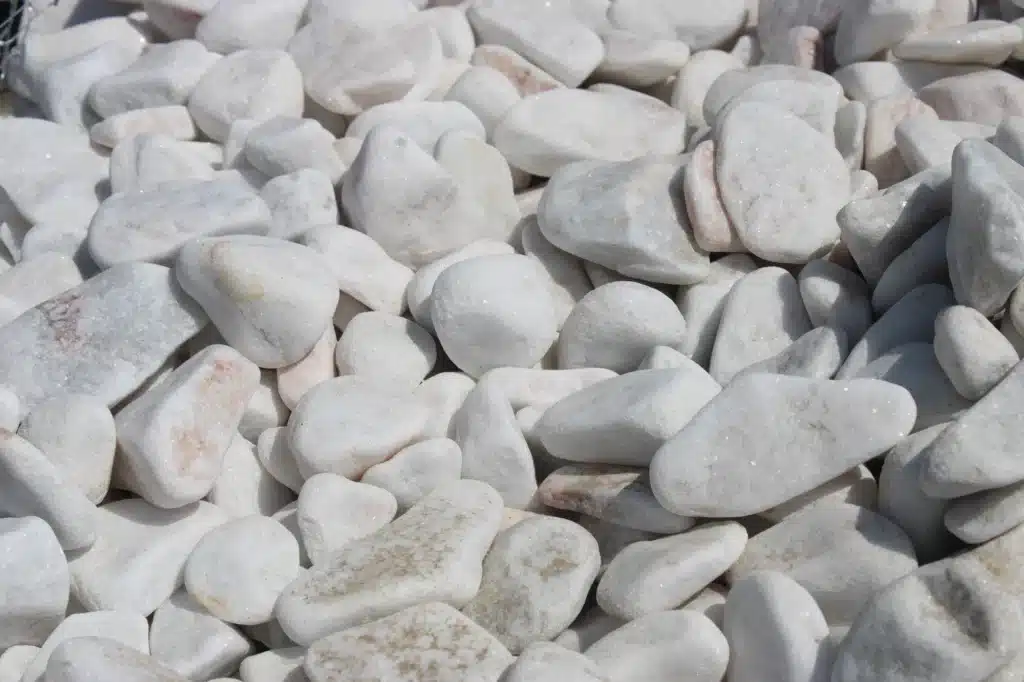
McKinney homeowners planning new outdoor living spaces often start by selecting the right stone for fire pits landscaping that can handle high heat, resist cracking, and blend with the surrounding hardscape.
Quick answer: Heat-resistant natural stones such as granite, sandstone, and certain limestones work well for fire pit surrounds and seating walls because they tolerate repeated heating and cooling cycles common in North Texas. These materials stay stable when placed on a properly compacted base of crushed limestone or screenings and pair naturally with local paver patios.
Before ordering, confirm the exact pile at the yard. JBS Express McKinney also stocks related aggregates such as Limestone 1″ and limestone screenings that work for many of the same jobs. Call ahead if your project needs a specific gradation.
Table of Contents
- What Makes Stone Suitable for Fire Pits
- Popular Stone Options for McKinney Yards
- Building a Fire Pit Surround
- Outdoor Stone Seating Ideas
- Base Preparation and Drainage
- Maintenance Tips for North Texas Weather
- Pickup and Delivery Options
- FAQs
What Makes Stone Suitable for Fire Pits
Stone used around fire pits must resist thermal shock from rapid temperature changes. Granite ranks high because its dense crystalline structure expands and contracts evenly. Sandstone offers a warmer color palette and good heat tolerance when the pieces are thick enough. Limestone can work if it is dense and low in moisture-absorbing pores, though some varieties may spall over time. Homeowners in McKinney should avoid thin or highly porous stones that hold water, as freeze-thaw cycles can cause cracking.
Thickness matters more than color. Pieces at least two inches thick provide better mass to absorb heat without fracturing. Angular shapes interlock better than rounded river rock when building a surround or seating wall. Always check the stone at the yard under bright light to spot any existing cracks or weak veins.
Popular Stone Options for McKinney Yards
Granite remains a top choice for direct fire contact because it rarely shows heat damage. Local yards carry granite in gray, pink, and black tones that complement both modern and traditional homes. Sandstone provides a softer look and pairs well with limestone pavers. Select sandstone that feels solid and does not crumble at the edges. Limestone flagstone or cut pieces create a cohesive look when the same material is used for the patio surface and the fire pit surround.
Some McKinney projects combine two stones for visual interest. A granite fire ring surrounded by sandstone seating walls creates contrast while keeping the hottest area on the most durable material. Discuss your color scheme with the yard staff so they can pull matching or complementary loads from the same quarry batch.
Building a Fire Pit Surround
Start with a level concrete ring or steel insert sized for your desired fire diameter. Lay a compacted base of crushed limestone four to six inches deep, then add a one-inch layer of limestone screenings for fine leveling. Place the first course of stone directly on the screenings, checking level in every direction. Stagger joints on subsequent courses and use landscape adhesive between layers for added stability.
Leave small gaps between stones so heat can escape and moisture can drain. Never mortar the entire surround solid, as trapped moisture leads to cracking during temperature swings. Backfill behind the stone with screenings or gravel to support the wall and improve drainage.
Outdoor Stone Seating Ideas
Stone seating walls double as both seating and retaining elements around a fire pit patio. Build the wall to a comfortable height of 16 to 18 inches and cap it with flat pieces at least two inches thick. The same granite or sandstone used for the fire surround can cap the seating wall for a unified appearance.
Curved seating walls follow the shape of a circular fire pit and create a cozy conversation area. Straight walls work better on rectangular patios. Add a second lower wall behind the seating wall to create a planting bed that softens the hardscape and provides a place for low-maintenance native plants.
Base Preparation and Drainage
Proper base preparation prevents settling and keeps the fire pit level season after season. Excavate the area to allow for four to six inches of compacted crushed limestone plus the thickness of your stone. Slope the base slightly away from the fire pit so water drains toward the yard rather than pooling under the stones.
Compact each lift of limestone with a plate compactor before adding the next layer. A solid base reduces the chance that stones will shift when the ground expands and contracts. If your yard has heavy clay, consider adding a layer of geotextile fabric under the limestone to keep fines from migrating upward.
Maintenance Tips for North Texas Weather
Inspect the fire pit surround each spring for any loose stones or widened joints. Reapply landscape adhesive where needed and sweep fresh screenings into gaps. Power washing removes soot and pollen without damaging the stone when done at low pressure. Avoid chemical cleaners that could etch the surface of sandstone or limestone.
During extended dry periods, occasional light watering of the surrounding landscape helps keep dust down and prevents the base material from becoming overly dusty. In winter, keep the fire pit covered when not in use to reduce moisture absorption into the stone.
Pickup and Delivery Options
McKinney residents can visit the yard to hand-select individual pieces or order bulk loads for larger projects. Flatbed deliveries work well for palletized stone that needs to stay organized. Dump truck deliveries suit bulk crushed limestone and screenings when the site has easy access. Check the Landscape Material Calculator to estimate quantities before placing an order.
FAQs
Can I use the same stone for both the fire pit and the patio?
Yes. Many McKinney homeowners choose one type of limestone or sandstone for the entire project so the colors and textures match. Just confirm the stone is thick enough for the fire area and that the base is properly compacted under both the surround and the pavers.
How thick should fire pit stones be?
Two inches or thicker is recommended for stones that will sit closest to the fire. Thinner pieces can be used for seating wall caps that stay farther from direct heat.
Does limestone work directly next to a fire?
Dense limestone performs well when kept at least six inches from the actual flame. Softer or highly porous limestone may show spalling over time, so inspect pieces at the yard before purchase.
Will stone seating get too hot to sit on?
Stone near the fire will warm up, but seating walls built 18 to 24 inches back from the fire ring stay comfortable for most people. Adding cushions provides extra comfort on cooler evenings.
Do I need a permit for a residential fire pit in McKinney?
Check with the City of McKinney before construction. Most residential fire pits under a certain size do not require permits, but local fire codes may dictate minimum distances from structures and property lines.
Ready to start your fire pit project? Contact JBS Express Natural Stone & Landscape Material at (469) 972-8818 or Request a Quote to discuss stone options and delivery to your McKinney address. Explore service areas including McKinney, Frisco, and Plano for local delivery details.