
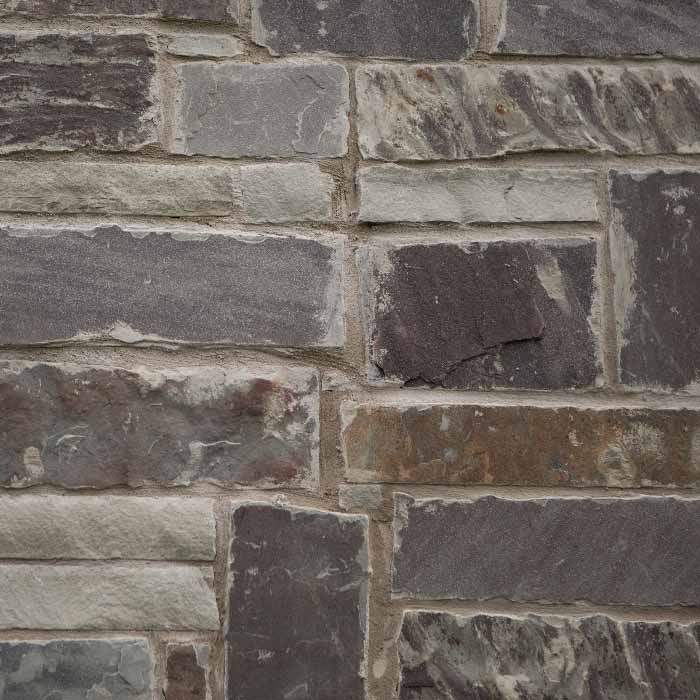
Denton homeowners searching for the best rocks for garden beds often need durable, attractive options that improve drainage, suppress weeds, and complement local clay-heavy soils while handling seasonal temperature swings.
Quick answer: The best rocks for garden beds in Denton yards include decomposed granite, river rock, crushed limestone, and lava rock, all available for flatbed or dump truck deliveries that fit Denton driveways and neighborhoods. Measure your bed dimensions first, then use the Landscape Material Calculator to determine quantities before ordering for next-day or scheduled delivery.
Review the Denton service area page for typical delivery windows, then request a quote to lock in your load size and placement instructions.
Table of Contents
- Types of Rocks for Garden Beds in Denton Yards
- Placement Strategies for Local Conditions
- Drainage and Soil Considerations
- Local Delivery Options and Access Planning
- Calculating Quantities with Local Tools
- Site Preparation and Installation Steps
- Ongoing Care for Long-Lasting Results
- FAQs
Types of Rocks for Garden Beds in Denton Yards
Denton properties commonly use four main types of rocks for garden beds. Decomposed granite offers a fine texture that packs well for pathways between beds while allowing water to percolate slowly. River rock provides a smooth, rounded appearance that works well in informal garden designs and resists shifting during heavy rains. Crushed limestone adds a bright white or light gray tone that reflects heat and pairs with native Texas plants. Lava rock delivers a porous surface that helps retain moisture around plant roots without compacting the soil underneath. Each type arrives on pallets sized for residential loads, so one delivery can cover multiple beds plus extra material for future touch-ups.
Choose based on the desired finished look and plant needs. Fine-textured options like decomposed granite suit vegetable gardens where easy raking is important, while larger river rock works better around shrubs and perennials. Color choices range from natural earth tones to lighter shades that help keep garden beds cooler during Denton summers. These landscape rocks Denton yards benefit from because they require minimal replacement over time.
Placement Strategies for Local Conditions
Effective placement starts with layering. Begin with a weed barrier fabric over prepared soil, then add a base layer of crushed material for stability before topping with the chosen decorative rocks. In Denton yards, position larger rocks along the outer edges to contain the bed and prevent material from washing onto lawns during storms. Create gentle slopes away from the house foundation to direct water flow. Group rocks by size within the bed to form natural-looking patterns that highlight focal plants. Avoid piling material too high against tree trunks or plant stems to prevent rot. These garden bed rocks Denton tx strategies help maintain clean lines and reduce maintenance needs throughout the year.
Drainage and Soil Considerations
Denton clay soils can retain excess water, so rock selection should prioritize permeability. Porous options like lava rock or crushed limestone allow better airflow and reduce standing water around roots. Mix smaller gravel at the base of deeper beds to create a drainage layer that channels moisture away from plant crowns. Test soil compaction before adding rocks by digging a small test hole and observing how quickly water drains. Amend heavy clay with organic matter first if needed, then cover with rocks to lock in the improvements. Proper drainage planning prevents common issues like root rot in local garden beds.
Local Delivery Options and Access Planning
JBS Express provides flatbed and dump truck deliveries tailored to Denton neighborhoods. Flatbed trucks handle palletized loads for precise placement near the garden area, while dump trucks suit larger quantities spread directly into beds. Measure driveway width and gate access before ordering to ensure the truck can reach the site without issues. Schedule deliveries during drier periods when possible to avoid rutting soft ground. Drivers can often place material close to the work area, reducing the need for extra wheelbarrow trips. Check the Denton service area details for current routing and timing options.
Calculating Quantities with Local Tools
Accurate quantity estimates prevent over-ordering or shortages. Measure the length and width of each garden bed, then decide on the desired depth, typically two to four inches for most decorative applications. Enter these numbers into the Landscape Material Calculator to receive a recommended volume in cubic yards or tons. Add ten percent extra for settling and irregular bed shapes. For multiple beds, calculate each separately and combine totals before placing the order. This approach ensures you receive the right amount of landscape rocks Denton yards need without excess waste.
Site Preparation and Installation Steps
- Clear the bed of existing vegetation and debris.
- Level the soil and add any amendments for drainage.
- Lay weed barrier fabric, overlapping edges by several inches.
- Spread the base layer if using multiple rock sizes.
- Distribute the top decorative rocks evenly and rake smooth.
- Water the area lightly to help rocks settle into place.
Work in sections to keep the process manageable. Wear gloves and sturdy shoes when handling rocks. These steps create stable, attractive garden beds suited to Denton conditions.
Ongoing Care for Long-Lasting Results
Regular maintenance keeps garden beds looking fresh. Rake rocks periodically to redistribute material and remove leaves or debris. Spot-treat any weeds that appear through the barrier. Replenish thin areas every couple of seasons as needed. Avoid using chemical deicers near rock beds during winter to prevent discoloration. These simple practices extend the life of your landscape rocks Denton yards receive from local suppliers.
FAQs
How deep should rocks be in garden beds?
Two to four inches provides good coverage and weed suppression while allowing water to reach plant roots. Deeper layers suit beds with heavy foot traffic or sloped areas.
Which rock type works best around native Denton plants?
Decomposed granite and crushed limestone blend well with native species because they match local soil colors and support good drainage without altering pH significantly.
Can I mix different rock types in one bed?
Yes, combining sizes and colors creates visual interest. Use larger rocks as edging and finer material in the center for a layered effect that still allows proper drainage.
How soon after delivery can I plant in the beds?
Plant immediately after spreading rocks if the beds are prepared. Simply move rocks aside to dig planting holes, then replace them around the new plants.
Do rocks need sealing or treatment after installation?
Most landscape rocks for garden beds do not require sealing. Natural weathering enhances their appearance over time in Denton conditions.
Ready to upgrade your garden beds with quality landscape rocks? Request a Quote or call (469) 972-8818 today. Explore the Landscape Material Calculator and Denton service area for more details.