
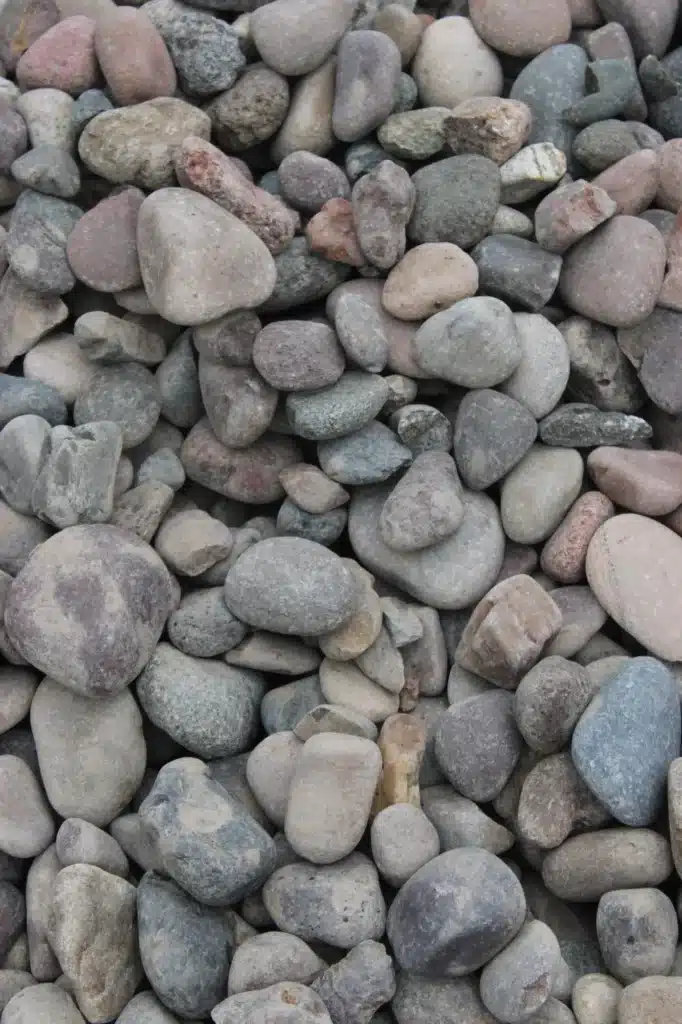
McKinney homeowners looking to define their flower beds and borders often turn to edging garden stones for a durable and attractive solution that blends with natural landscapes. These stones create clean lines while protecting plants from lawn equipment and helping retain mulch or soil in place.
Quick answer: Edging garden stones work well for McKinney properties because they provide a low-maintenance border that matches local soil conditions and climate. Natural stone options such as chopped limestone or flagstone resist shifting during heavy rains common in North Texas and require minimal upkeep compared with plastic or metal edging. JBS Express delivers palletized stone directly to McKinney addresses so residents can start installation the same day.
Before ordering, measure the perimeter of each bed and review the McKinney service area page for typical delivery routes. Then use the Landscape Material Calculator to estimate how many linear feet of edging stone fit on a standard pallet.
Table of Contents
- Why Edging Garden Stones Suit McKinney Yards
- Choosing the Right Stone Types for Local Beds
- Design Tips That Complement Existing Landscapes
- Step-by-Step Installation for McKinney Soil Conditions
- Maintenance Practices for Long-Lasting Borders
- FAQs
Why Edging Garden Stones Suit McKinney Yards
McKinney neighborhoods range from established subdivisions with mature trees to newer developments with fresh sod. Edging garden stones create a permanent boundary that prevents grass from creeping into flower beds and keeps mulch from washing onto walkways during thunderstorms. Because the stones sit partially in the ground, they stay cooler than metal edging and reduce the chance of root damage to nearby plants. Local clay-heavy soils expand and contract with seasonal moisture changes, and heavier stone edging holds its position better than lighter plastic alternatives that can pop out after repeated freeze-thaw cycles.
Residents also appreciate the natural look that matches the limestone and sandstone found in many McKinney yards. A single delivery of palletized edging stone can complete multiple beds around the front and back of a typical lot, saving repeat trips to the supplier. Drivers familiar with McKinney streets know which routes avoid low-hanging branches and tight cul-de-sacs, making delivery day smoother for homeowners who have prepared a staging area near the curb.
Choosing the Right Stone Types for Local Beds
Chopped limestone offers straight edges that stack neatly for a formal appearance and pairs well with the light-colored stucco homes common in McKinney. Flagstone pieces cut into 4-to-6-inch widths create a more organic border that curves easily around existing trees or raised beds. Larger landscape boulders spaced every few feet provide a rustic look suitable for larger corner lots where a low wall effect is desired without the cost of full retaining-wall construction.
When selecting stone, consider the color of existing hardscape such as patios or walkways. Matching tones keeps the overall design cohesive. Homeowners planning mixed plantings should choose stones with subtle texture so they do not compete visually with colorful flowers. JBS Express stocks several sizes of edging stone on pallets sized for easy forklift placement, allowing customers to inspect the material on delivery day and request a different variety if needed before the truck leaves.
Design Tips That Complement Existing Landscapes
Start by walking the property and noting sight lines from windows and patios. Place edging garden stones so they follow gentle curves rather than sharp angles unless the beds are strictly geometric. In McKinney yards with irrigation systems, keep stone borders at least six inches away from sprinkler heads to avoid future interference during adjustments. Layering a thin bed of decomposed granite behind the stones helps with drainage and prevents soil from pushing the edging forward over time.
For beds that already contain large shrubs, use shorter stone heights so the edging does not hide lower foliage. In front-yard borders visible from the street, taller stones create a finished frame that makes the entire landscape appear more intentional. Pairing the edging with ground-cover plants softens the transition between lawn and bed while still maintaining the clean line the stones provide.
Step-by-Step Installation for McKinney Soil Conditions
Begin by marking the desired edge with marking paint or a garden hose laid in the planned shape. Dig a shallow trench approximately four inches deep and slightly wider than the stone thickness. In McKinney clay soils, loosen the bottom of the trench with a garden fork to improve drainage before adding a one-inch layer of crushed gravel for leveling. Set each stone so the top sits one to two inches above finished grade, then backfill both sides with soil or mulch and tamp firmly.
Work in sections of ten to fifteen feet so the trench does not dry out or collapse before stones are placed. Check level frequently with a carpenter’s level because even small variations become noticeable once the border is complete. For curved sections, overlap stones slightly and angle them to follow the radius without large gaps. After all stones are set, water the area lightly to settle the backfill and reveal any spots that need additional tamping.
Maintenance Practices for Long-Lasting Borders
Edging garden stones require little ongoing care once installed. Remove leaves and debris from the base twice a year to prevent moisture buildup that could encourage weeds. If a stone shifts after heavy rain, lift it, add more gravel to the base, and reset it at the correct height. Over time, moss or lichen may appear on shaded stones; this is natural and does not affect structural integrity, though some homeowners choose to scrub it away for a cleaner look.
Inspect the border each spring before mulching season. Adding a fresh layer of mulch behind the stones keeps the edge defined and reduces the need for frequent weeding. Because the stones are natural material, they age gracefully and develop a patina that blends further with surrounding plantings without requiring paint or sealant.
FAQs
How deep should I set edging garden stones in McKinney clay soil?
Set stones four inches deep with one inch of crushed gravel beneath for drainage. This depth keeps the stones stable during seasonal soil movement while allowing the top edge to remain visible above grade.
Can I mix different stone types in the same border?
Yes, many McKinney homeowners combine chopped limestone with occasional larger boulders for visual interest. Keep the heights consistent so the line remains even and the design stays cohesive.
Will edging stones damage underground irrigation lines?
Mark irrigation lines before digging and maintain at least six inches of clearance. If a line must cross the border, install a protective sleeve and reset the stone above it to avoid future repairs.
How many linear feet of edging stone fit on one pallet?
Most pallets delivered to McKinney contain 80 to 120 linear feet depending on stone height and thickness. Use the Landscape Material Calculator on the JBS Express site to refine the estimate for your specific project.
Do I need to seal natural stone edging?
Sealing is optional. Unsealed stone develops a natural patina that matches local landscapes. If you prefer a darker, wet look, apply a breathable sealer after the first full season once the stone has dried completely.
Ready to define your McKinney flower beds with quality edging garden stones? Contact JBS Express today at (469) 972-8818 to schedule delivery or request a quote. Explore more options on the Request a Quote page and review delivery details for your neighborhood.